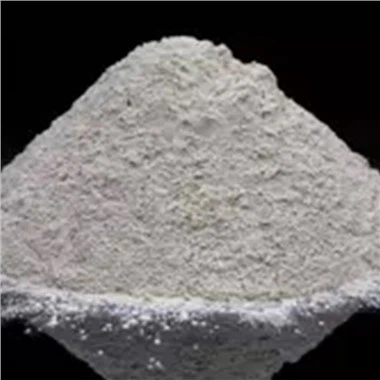
Hey there! As a supplier of Sucralose Composition, I often get asked about the environmental impacts related to the production of sucralose. It's a hot topic these days, and rightfully so. We're all becoming more conscious about the environment and how our choices, including the products we use, affect it. So, let's dig into this and see what's up with sucralose production and the environment.
First off, let's talk a bit about sucralose itself. Sucralose is a popular artificial sweetener that's about 400 - 800 times sweeter than sugar. It's used in a ton of food and beverage products, like diet sodas, low - calorie desserts, and even some baking items. You can check out Food Sucralose Powder and Dietary Sucralose on our website to get a better idea of the products we offer.


Now, onto the production process. Sucralose is made from sugar through a multi - step chemical process. The starting material, sugar, is a renewable resource, which is a plus for the environment. Sugarcane and sugar beets, the main sources of sugar, are crops that can be grown year after year. This means that, in theory, the raw material for sucralose production isn't going to run out anytime soon.
But it's not all sunshine and rainbows. The chemical process of converting sugar into sucralose involves several steps and the use of various chemicals. These chemicals can have environmental impacts if not managed properly. For example, some of the solvents and reagents used in the production might be hazardous to the environment. If they're released into the air, water, or soil, they can cause pollution.
Let's break down some of the potential environmental impacts:
1. Energy Consumption
The production of sucralose requires a significant amount of energy. The chemical reactions need to be carried out at specific temperatures and pressures, which means using a lot of electricity and heat. This energy often comes from non - renewable sources like coal, oil, and natural gas. When these fossil fuels are burned to generate energy, they release greenhouse gases like carbon dioxide into the atmosphere. And as we all know, greenhouse gases contribute to global warming and climate change.
However, many sucralose manufacturers, including us, are looking into ways to reduce energy consumption. We're exploring the use of more energy - efficient equipment and processes. For instance, some new technologies allow us to run the chemical reactions at lower temperatures, which saves a lot of energy.
2. Chemical Waste
As I mentioned earlier, the production of sucralose involves the use of various chemicals. After the reactions are complete, there's going to be some chemical waste left over. This waste can be tricky to handle. If it's not disposed of correctly, it can contaminate water sources, harm wildlife, and even affect human health.
To tackle this issue, we have strict waste management protocols in place. We recycle as much of the chemicals as possible. For example, some of the solvents can be purified and reused in the production process. The remaining waste is treated to make it less harmful before being disposed of.
3. Water Usage
Water is an essential part of the sucralose production process. It's used for cooling, washing, and in some of the chemical reactions. A large amount of water is needed, and if this water isn't managed properly, it can lead to water scarcity in the areas where the production facilities are located.
We're aware of this problem and are taking steps to reduce water usage. We've installed water - recycling systems in our factories. These systems collect the used water, treat it, and then reuse it in the production process. This way, we're able to significantly cut down on our water consumption.
4. Impact on Biodiversity
The cultivation of sugarcane and sugar beets, the raw materials for sucralose, can also have an impact on biodiversity. Large - scale farming often involves clearing large areas of land, which destroys natural habitats for plants and animals. Pesticides and fertilizers used in sugarcane and sugar beet farming can also contaminate the soil and water, harming local ecosystems.
To address this, we're working with our suppliers to promote sustainable farming practices. We encourage them to use organic farming methods, which reduce the use of harmful chemicals. We also support initiatives to protect natural habitats around the farms.
Now, I want to emphasize that the environmental impacts of sucralose production aren't all bad. Compared to sugar production, sucralose has some advantages. Since sucralose is so much sweeter than sugar, you need a much smaller amount of it to achieve the same level of sweetness. This means less land is needed for growing the raw materials, and less energy and water are used in the production process.
For example, if you're into baking, Sucralose For Baking can be a great alternative to sugar. You can use a tiny amount of sucralose instead of a large quantity of sugar, which is not only better for your health but also has a lower environmental footprint.
In conclusion, while there are some environmental impacts related to the composition of sucralose production, there are also ways to mitigate these impacts. As a supplier, we're committed to reducing our environmental footprint. We're constantly investing in research and development to find more sustainable production methods.
If you're interested in our Sucralose Composition products and want to learn more about our environmental initiatives, or if you're thinking about placing an order, don't hesitate to reach out. We're always happy to have a chat and discuss how we can meet your needs while also taking care of the environment.
References
- "Environmental Impacts of Artificial Sweetener Production" - Journal of Environmental Science and Technology
- "Sustainable Sugarcane and Sugar Beet Farming" - Agricultural Research Institute