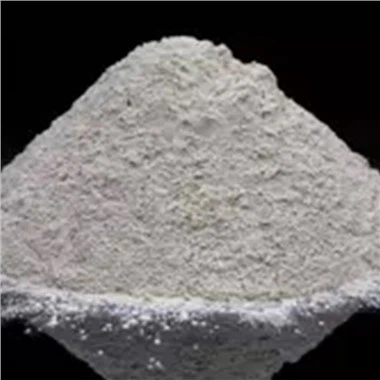
Food emulsions are a common and important part of the food industry, found in a wide range of products such as salad dressings, mayonnaise, ice cream, and dairy products. An emulsion is a mixture of two immiscible liquids, typically oil and water, where one liquid is dispersed in the other in the form of small droplets. However, these emulsions are thermodynamically unstable and tend to separate over time. This is where Food Grade Granular CMC (Carboxymethyl Cellulose) comes into play. As a leading supplier of Food Grade Granular CMC, I am excited to share with you the numerous benefits of using our product in food emulsions.
1. Emulsion Stabilization
One of the primary benefits of using Food Grade Granular CMC in food emulsions is its ability to stabilize the emulsion. CMC is a water - soluble polymer that can adsorb at the oil - water interface. When added to a food emulsion, it forms a protective layer around the oil droplets, preventing them from coalescing. This is due to the hydrophilic (water - loving) and hydrophobic (oil - loving) groups present in the CMC molecule. The hydrophilic part of the CMC molecule interacts with the water phase, while the hydrophobic part associates with the oil droplets.
The presence of CMC also increases the viscosity of the continuous phase (usually the water phase). A higher viscosity makes it more difficult for the oil droplets to move around and collide with each other. This reduces the rate of creaming (the upward movement of oil droplets due to density differences) and sedimentation (the downward movement of heavier particles). As a result, the emulsion remains stable for a longer period, which is crucial for food products with a long shelf - life. For example, in salad dressings, CMC helps to keep the oil and vinegar from separating, ensuring a homogeneous product throughout its storage and use.
2. Improved Texture and Mouthfeel
Food Grade Granular CMC can significantly enhance the texture and mouthfeel of food emulsions. By increasing the viscosity of the product, it gives a thicker, creamier consistency. In dairy - based emulsions like ice cream and milkshakes, CMC helps to create a smooth and creamy texture. It reduces the formation of ice crystals in ice cream, resulting in a more pleasant eating experience.
In addition, CMC can mimic the texture of fat in low - fat or fat - free food emulsions. As consumers are becoming more health - conscious, there is a growing demand for reduced - fat products. However, removing fat often leads to a loss of texture and mouthfeel. CMC can be used to compensate for this loss. For instance, in low - fat mayonnaise, CMC can provide a similar creamy and rich texture as full - fat mayonnaise, without the high calorie content.
3. Water Retention
Another important benefit of using Food Grade Granular CMC in food emulsions is its excellent water - retention properties. CMC can bind to water molecules through hydrogen bonding. In food emulsions, this helps to prevent water from separating out, which is known as syneresis. Syneresis can occur during storage, freezing, or thawing of food products and can lead to an unappealing appearance and reduced quality.
In bakery products that contain emulsions, such as cakes with custard fillings, CMC helps to keep the filling moist and prevent it from drying out. In meat emulsions, it can reduce the loss of water during cooking, resulting in juicier and more tender meat products. This water - retention ability also contributes to the overall stability of the food emulsion by maintaining the integrity of the product structure.


4. Compatibility with Other Ingredients
Food Grade Granular CMC is highly compatible with a wide range of other ingredients commonly used in food emulsions. It can be used in combination with other emulsifiers, thickeners, and stabilizers to achieve the desired properties. For example, it can work synergistically with lecithin, a natural emulsifier. Lecithin helps to initially disperse the oil droplets in the water phase, while CMC further stabilizes the emulsion by preventing coalescence.
CMC is also compatible with various salts, acids, and sugars. This means that it can be used in a variety of food formulations with different pH levels and ionic strengths. In acidic food emulsions like fruit - based dressings, CMC remains stable and effective in maintaining the emulsion's stability. This compatibility makes it a versatile ingredient in the food industry, allowing food manufacturers to create a diverse range of products.
5. Health Benefits
From a health perspective, Food Grade Granular CMC has several advantages. It is a dietary fiber, which means it can contribute to a healthy diet. Dietary fibers are known to promote digestive health by adding bulk to the stool and preventing constipation. They can also help to regulate blood sugar levels and reduce cholesterol absorption in the body.
In addition, since CMC can be used to replace or reduce the amount of fat in food emulsions, it can help consumers to reduce their calorie intake. This is beneficial for those who are trying to manage their weight or have dietary restrictions related to fat consumption.
6. Cost - Effectiveness
As a supplier of Food Grade Granular CMC, I understand the importance of cost - effectiveness in the food industry. CMC is relatively inexpensive compared to some other emulsifiers and stabilizers. It can be used in small amounts to achieve significant results in terms of emulsion stability, texture improvement, and water retention.
Food manufacturers can use CMC to improve the quality of their products without incurring high costs. This makes it an attractive option for both large - scale food producers and small - scale artisanal food makers. By using CMC, they can produce high - quality food emulsions at a competitive price, which is beneficial for both the manufacturers and the consumers.
7. Regulatory Compliance
Food Grade Granular CMC is approved for use in food products by major regulatory authorities around the world, such as the Food and Drug Administration (FDA) in the United States and the European Food Safety Authority (EFSA) in Europe. This means that food manufacturers can use CMC in their products with confidence, knowing that it meets the strict safety and quality standards.
Regulatory approval also simplifies the process of product development and marketing. Food manufacturers do not have to worry about potential legal issues related to the use of CMC in their food emulsions. This allows them to focus on creating innovative and high - quality food products.
Conclusion
In conclusion, the benefits of using Food Grade Granular CMC in food emulsions are numerous and significant. From emulsion stabilization and improved texture to water retention, health benefits, cost - effectiveness, and regulatory compliance, CMC is a versatile and valuable ingredient in the food industry.
As a supplier of Food Grade Granular CMC, we are committed to providing high - quality products that meet the diverse needs of our customers. If you are a food manufacturer or involved in the food industry and are interested in using our Food Grade Granular CMC in your food emulsions, we invite you to contact us for further information and to discuss your specific requirements. We look forward to working with you to create innovative and high - quality food products.
For more information about CMC in food, you can visit the following links:
CMC Cellulose
Sodium Carboxymethyl
Carboxymethyl Cellulose Sodium
References
- McClements, D. J. (2015). Food Emulsions: Principles, Practice, and Techniques. CRC Press.
- BeMiller, J. N., & Whistler, R. L. (2009). Handbook of Water - Soluble Gums and Resins. McGraw - Hill.
- Sjöö, M., & Rayner, M. (2011). Dietary Fibre and Health. Wiley - Blackwell.