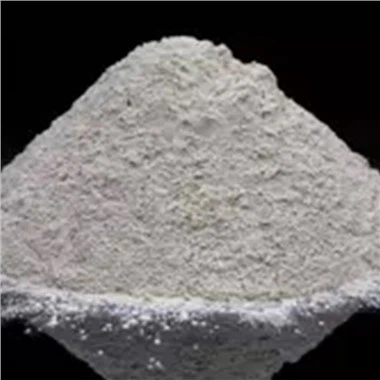
As a supplier of Polyanionic Cellulose PAC HV, I understand that cost - effectiveness is a significant concern for our customers. PAC HV is widely used in various industries, especially in oil drilling, due to its excellent properties such as high viscosity, good salt tolerance, and stable performance. However, the cost of using PAC HV can sometimes be a burden. In this blog, I will share some practical ways to reduce the cost of using Polyanionic Cellulose PAC HV.
1. Optimize the Dosage
One of the most straightforward ways to reduce the cost is to optimize the dosage of PAC HV. Many users tend to use more PAC HV than necessary to ensure the desired performance. However, through careful testing and adjustment, it is often possible to achieve the same results with a lower dosage.


- Conduct Laboratory Tests: Before using PAC HV in large - scale operations, conduct laboratory tests to determine the minimum effective dosage. This involves preparing samples with different concentrations of PAC HV and testing their properties such as viscosity, filtration control, and stability. By analyzing the test results, you can find the optimal dosage that meets your requirements.
- Monitor and Adjust in Real - Time: During actual operations, continuously monitor the performance of the drilling fluid or other applications where PAC HV is used. If the performance indicators are still within the acceptable range, gradually reduce the dosage of PAC HV. Conversely, if the performance deteriorates, increase the dosage slightly. This real - time adjustment can help you maintain the best balance between performance and cost.
2. Combine with Other Additives
Another effective strategy is to combine PAC HV with other additives. This can not only reduce the amount of PAC HV used but also enhance the overall performance of the system.
- Use with Lower - Cost Polymers: There are other polymers in the market that are relatively cheaper than PAC HV. By combining PAC HV with these polymers, you can achieve similar or even better performance at a lower cost. For example, you can mix PAC HV with Polyanionic Cellulose PAC LV. PAC LV has a lower viscosity than PAC HV but can still contribute to filtration control. By using a combination of PAC HV and PAC LV, you can adjust the viscosity and filtration properties of the drilling fluid according to your needs while reducing the overall cost.
- Synergistic Additives: Some additives can have a synergistic effect with PAC HV, enhancing its performance. For instance, certain surfactants can improve the dispersion of PAC HV in the solution, making it more effective at a lower dosage. By carefully selecting and using these synergistic additives, you can reduce the amount of PAC HV required.
3. Source High - Quality Raw Materials
Although it may seem counterintuitive, sourcing high - quality raw materials for PAC HV production can actually lead to cost savings in the long run.
- Better Performance and Less Waste: High - quality raw materials can produce PAC HV with more consistent and better performance. This means that you need less PAC HV to achieve the same results. For example, if the raw cellulose has a high degree of purity and uniform molecular structure, the resulting PAC HV will have more stable viscosity and better filtration control properties. As a result, you can use a lower dosage of PAC HV, reducing the overall cost.
- Longer Shelf Life: High - quality PAC HV also tends to have a longer shelf life. This reduces the risk of product degradation and waste. You don't have to worry about frequently replacing expired or deteriorated PAC HV, which can save you money on both the product itself and the associated disposal costs.
4. Improve Storage and Handling
Proper storage and handling of PAC HV can also contribute to cost reduction.
- Store in Appropriate Conditions: PAC HV should be stored in a dry, cool, and well - ventilated place. Exposure to moisture, high temperatures, or direct sunlight can cause the product to degrade, reducing its performance and increasing the amount needed to achieve the desired results. By storing PAC HV properly, you can maintain its quality and effectiveness, reducing the cost of using it.
- Prevent Contamination: During handling, take measures to prevent contamination of PAC HV. Contamination can affect the performance of the product and may require higher dosages to compensate. Use clean equipment and follow proper handling procedures to ensure the purity of PAC HV.
5. Consider Alternative Grades
Depending on your specific application requirements, you may consider using alternative grades of polyanionic cellulose.
- Polyanionic Cellulose PAC DLV: PAC DLV has a lower viscosity than PAC HV. If your application does not require high viscosity, using PAC DLV can be a more cost - effective option. It can still provide good filtration control and other properties at a lower cost.
- Evaluate Your Needs: Before making a decision, carefully evaluate your application needs. Consider factors such as the depth of the well, the type of formation, and the required performance indicators. If a lower - viscosity grade can meet your needs, it can significantly reduce the cost of using polyanionic cellulose.
6. Bulk Purchasing and Long - Term Contracts
As a supplier, I can offer some cost - saving options through bulk purchasing and long - term contracts.
- Bulk Purchasing: Buying PAC HV in bulk can often result in a lower unit price. This is because the cost of production, packaging, and transportation can be spread over a larger quantity of the product. If you have a large - scale operation or a long - term need for PAC HV, consider purchasing in bulk to reduce the cost per unit.
- Long - Term Contracts: Signing a long - term contract with us can also provide cost savings. We can offer more favorable pricing and terms for long - term customers. In addition, a long - term contract can ensure a stable supply of PAC HV, reducing the risk of price fluctuations and supply shortages.
In conclusion, reducing the cost of using Polyanionic Cellulose PAC HV is achievable through a combination of strategies such as optimizing dosage, combining with other additives, sourcing high - quality raw materials, improving storage and handling, considering alternative grades, and taking advantage of bulk purchasing and long - term contracts. If you are interested in learning more about how to reduce the cost of using PAC HV or would like to discuss your specific needs and requirements, please feel free to contact us for further procurement negotiations.
References
- "Handbook of Drilling Fluids Technology" by H. C. H. Darley and George R. Gray.
- "Polymers in Drilling Fluids" - Journal of Petroleum Science and Engineering.
- Industry reports on the production and application of polyanionic cellulose.