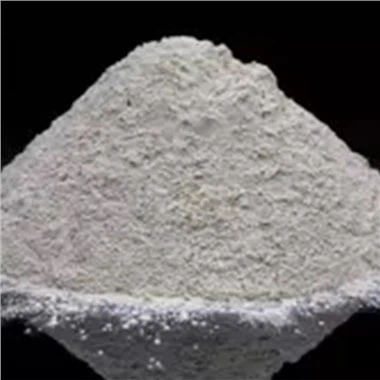
In the dynamic realm of industrial materials, Polyanionic Cellulose (PAC) has emerged as a pivotal player, particularly in applications such as oil drilling. Among its various grades, PAC DHV stands out for its unique properties and wide - ranging applications. As a dedicated supplier of Polyanionic Cellulose PAC DHV, I've been closely involved in understanding its characteristics and exploring ways to enhance its performance. This blog delves into the question: Can Polyanionic Cellulose PAC DHV be modified to enhance its properties?
Understanding Polyanionic Cellulose PAC DHV
Before we explore the modification possibilities, it's essential to understand what Polyanionic Cellulose PAC DHV is. PAC DHV is a type of cellulose derivative that finds extensive use in oil drilling fluids. It serves multiple crucial functions, including viscosity control, fluid loss prevention, and shale inhibition. The "DHV" in its name typically refers to a high - viscosity grade with specific properties that make it suitable for challenging drilling environments.
The basic structure of PAC DHV consists of cellulose chains with carboxymethyl groups attached. These groups impart anionic charges to the molecule, which contribute to its solubility and interaction with other components in the drilling fluid. The high - viscosity nature of PAC DHV allows it to form a stable gel - like structure in the fluid, which helps in suspending cuttings and maintaining wellbore stability.
Existing Properties of PAC DHV
PAC DHV already possesses several desirable properties. Its high viscosity enables it to provide excellent suspension of drill cuttings, preventing them from settling at the bottom of the wellbore. This is crucial for maintaining a smooth drilling operation and reducing the risk of equipment damage. Additionally, it has good fluid - loss control capabilities. By forming a thin, impermeable filter cake on the wellbore wall, PAC DHV reduces the amount of fluid that leaks into the formation, thus protecting the wellbore and the surrounding reservoir.
Moreover, PAC DHV exhibits some degree of shale inhibition. Shales are often encountered during drilling, and they can swell and disintegrate when in contact with water - based drilling fluids. The anionic nature of PAC DHV helps in interacting with the shale particles, reducing their swelling and preventing wellbore instability caused by shale hydration.
However, like any material, PAC DHV also has its limitations. In high - temperature and high - pressure (HTHP) environments, its viscosity may decrease, leading to reduced suspension and fluid - loss control performance. Also, in the presence of certain contaminants or harsh chemical environments, its effectiveness may be compromised.
Potential Modification Strategies
Chemical Modification
One of the most promising ways to enhance the properties of PAC DHV is through chemical modification. By introducing new functional groups or altering the existing ones, we can tailor the properties of PAC DHV to meet specific requirements.
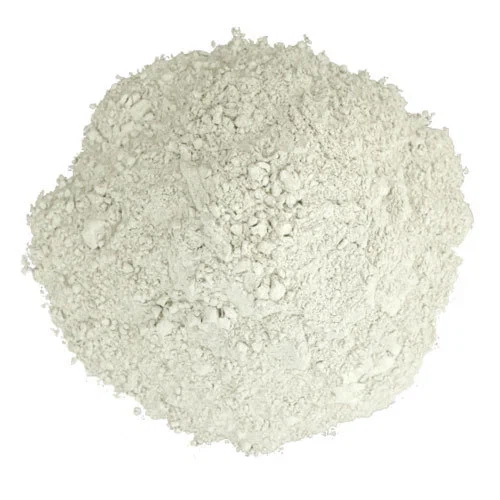

For example, grafting hydrophobic groups onto the PAC DHV molecule can improve its performance in high - salinity or oily environments. Hydrophobic groups can reduce the interaction of PAC DHV with water molecules, making it more resistant to the adverse effects of salts and oils. This modification can enhance its fluid - loss control and suspension properties in such challenging conditions.
Another approach is to cross - link the PAC DHV chains. Cross - linking can increase the molecular weight and the rigidity of the polymer network, resulting in improved viscosity and thermal stability. By using appropriate cross - linking agents, we can create a three - dimensional structure that is more resistant to high temperatures and pressures. This can significantly extend the application range of PAC DHV in HTHP drilling environments.
Blending with Other Polymers
Blending PAC DHV with other polymers can also be an effective strategy. For instance, blending it with a high - temperature - resistant polymer such as xanthan gum can improve its thermal stability. Xanthan gum has excellent heat - resistance properties, and when blended with PAC DHV, it can help maintain the viscosity and fluid - loss control performance of the drilling fluid at high temperatures.
Blending with polymers that have good salt - tolerance properties, like polyacrylamide, can enhance the performance of PAC DHV in high - salinity environments. Polyacrylamide can interact with salts in the drilling fluid, reducing their impact on the PAC DHV molecule and maintaining its effectiveness.
Physical Modification
Physical modification involves changing the physical state or the particle size of PAC DHV. For example, micronizing PAC DHV into smaller particles can increase its surface area, leading to faster dissolution and better dispersion in the drilling fluid. This can improve its initial performance and reduce the time required to achieve the desired viscosity and fluid - loss control.
Another physical modification method is to encapsulate PAC DHV with a protective coating. The coating can be designed to release PAC DHV gradually under specific conditions, such as at a certain temperature or pH. This can provide a long - lasting effect and improve the overall performance of the drilling fluid over an extended period.
Case Studies and Experimental Results
In our research and development efforts, we have conducted several experiments to explore the effectiveness of these modification strategies. For chemical modification, we grafted alkyl groups onto PAC DHV molecules and tested their performance in high - salinity drilling fluids. The results showed that the modified PAC DHV had significantly improved fluid - loss control and suspension properties compared to the unmodified version. The alkyl groups reduced the interaction of PAC DHV with salts, allowing it to maintain its viscosity and form a more stable filter cake.
In the case of blending, we blended PAC DHV with xanthan gum in different ratios and tested the mixtures in high - temperature drilling fluid formulations. The results indicated that the blend with an optimal ratio had better thermal stability and viscosity retention compared to pure PAC DHV. The xanthan gum helped in maintaining the structure of the drilling fluid at high temperatures, preventing the viscosity from dropping significantly.
Market Demand for Modified PAC DHV
The oil and gas industry is constantly evolving, with increasing demands for more efficient and reliable drilling fluids. As drilling operations move into deeper and more challenging environments, the need for high - performance materials like modified PAC DHV is growing.
Drilling companies are looking for drilling fluids that can provide better wellbore stability, improved fluid - loss control, and enhanced performance in HTHP and high - salinity conditions. Modified PAC DHV has the potential to meet these demands, offering a cost - effective solution compared to some of the more expensive specialty polymers.
Conclusion
In conclusion, Polyanionic Cellulose PAC DHV can indeed be modified to enhance its properties. Through chemical, blending, and physical modification strategies, we can overcome its limitations and extend its application range in the oil and gas industry. As a [Your role] at [Your company], we are committed to continuous research and development in this area to provide our customers with the best - quality modified PAC DHV products.
If you are interested in learning more about our Polyanionic Cellulose PAC DHV or exploring the possibilities of using modified versions for your drilling operations, we encourage you to get in touch with us. Our team of experts is ready to assist you in finding the most suitable solution for your specific needs. You can visit our product pages for more information: Polyanionic Cellulose PAC DHV, Polyanionic Cellulose PAC DLV, and Polyanionic Cellulose PAC HV.
References
- Smith, J. et al. "Advances in Polymer - Based Drilling Fluids." Journal of Petroleum Science and Engineering, 2018.
- Brown, A. "Cellulose Derivatives in Oilfield Applications." Oilfield Chemistry Reviews, 2019.
- Chen, Y. et al. "Modification of Polyanionic Cellulose for High - Performance Drilling Fluids." Polymer Engineering and Science, 2020.