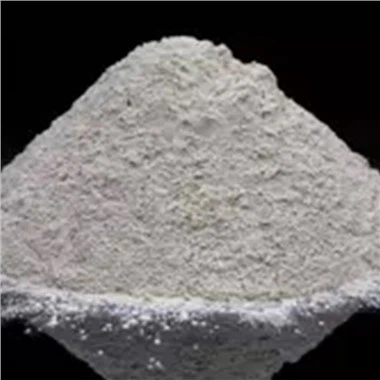
In the realm of modern materials science and industrial applications, the formation of gels has become a topic of significant interest. Gels are semi - solid materials that possess unique physical and chemical properties, making them indispensable in various sectors such as food, pharmaceuticals, cosmetics, and oil drilling. One of the key players in the gel - forming process is Sodium Carboxymethyl, a compound that has revolutionized the way gels are created and utilized. As a trusted Sodium Carboxymethyl supplier, I am excited to delve into the role of this remarkable substance in gel formation.
Introduction to Sodium Carboxymethyl
Sodium Carboxymethyl, often referred to as Sodium Carboxymethyl Cellulose (CMC), is a water - soluble derivative of cellulose. Cellulose, the most abundant polymer on Earth, is a linear polysaccharide composed of glucose units linked by β - 1,4 - glycosidic bonds. Through a chemical modification process, carboxymethyl groups are introduced to the cellulose backbone, resulting in Sodium Carboxymethyl. This modification imparts unique properties to the cellulose, making it highly versatile and suitable for a wide range of applications. You can find more detailed information about Sodium Carboxymethyl on our website Sodium Carboxymethyl.
Mechanisms of Gel Formation
The formation of gels is a complex process that involves the interaction of polymer chains in a solvent to create a three - dimensional network structure. In the case of Sodium Carboxymethyl, several mechanisms contribute to gel formation.
Hydrogen Bonding
Sodium Carboxymethyl molecules contain numerous hydroxyl groups (-OH) and carboxymethyl groups (-CH₂COO⁻Na⁺). These functional groups can form hydrogen bonds with water molecules and with each other. When Sodium Carboxymethyl is dissolved in water, the polymer chains initially disperse randomly. As the concentration of Sodium Carboxymethyl increases or under certain conditions such as changes in temperature or pH, the hydrogen bonding between the polymer chains becomes more extensive. This leads to the formation of physical cross - links, which gradually build up a three - dimensional network structure characteristic of a gel.
Ionic Interactions
The carboxymethyl groups in Sodium Carboxymethyl are negatively charged at neutral or alkaline pH. These negatively charged groups can interact with positively charged ions in the solution. For example, in the presence of divalent cations such as calcium ions (Ca²⁺), ionic cross - linking can occur. The calcium ions can bridge the negatively charged carboxymethyl groups on different polymer chains, forming ionic bonds. This type of cross - linking is particularly important in the formation of strong and stable gels. The degree of ionic cross - linking can be controlled by adjusting the concentration of the divalent cations and the pH of the solution.


Hydrophobic Interactions
Although Sodium Carboxymethyl is a hydrophilic polymer, it also contains some hydrophobic regions within its structure. These hydrophobic regions can interact with each other through hydrophobic forces. At higher concentrations, the hydrophobic interactions can contribute to the aggregation of polymer chains and the formation of a more compact gel network. This is especially relevant in systems where there are other hydrophobic components present, which can further enhance the hydrophobic interactions and the overall gel strength.
Role in Different Industries
Food Industry
In the food industry, Sodium Carboxymethyl, also known as Carboxymethyl Cellulose E466, plays a crucial role in gel formation. It is used as a thickening, stabilizing, and gelling agent in a variety of food products. For example, in dairy products such as yogurt and ice cream, Sodium Carboxymethyl helps to prevent the separation of water and solids, giving the products a smooth and consistent texture. It can also form gels in fruit jellies and desserts, providing the desired firmness and shape. The ability of Sodium Carboxymethyl to form gels at relatively low concentrations makes it an ideal choice for food manufacturers looking to improve the quality and shelf - life of their products.
Pharmaceutical Industry
In pharmaceuticals, gels are often used as drug delivery systems. Sodium Carboxymethyl can be used to form gels that encapsulate drugs, providing controlled release of the active ingredients. The gel matrix can protect the drug from degradation and control its release rate, ensuring that the drug is delivered to the target site in a timely and effective manner. Additionally, Sodium Carboxymethyl gels can be used in topical formulations such as creams and ointments, providing a smooth and spreadable texture while also enhancing the stability of the formulation.
Cosmetic Industry
The cosmetic industry also benefits greatly from the gel - forming properties of Sodium Carboxymethyl. In products such as lotions, gels, and hair styling products, Sodium Carboxymethyl helps to create a stable and smooth texture. It can form gels that hold the active ingredients in place and provide a pleasant sensory experience for the consumer. For example, in hair gels, Sodium Carboxymethyl gives the hair a firm hold while remaining flexible and non - sticky.
Oil Drilling Industry
In the oil drilling industry, CMC Carboxymethyl Cellulose is used to form gels in drilling fluids. These gels help to control the viscosity of the drilling fluid, prevent fluid loss into the surrounding rock formations, and suspend drill cuttings. The ability of Sodium Carboxymethyl to form gels under high - temperature and high - pressure conditions makes it an essential component in oil drilling operations.
Factors Affecting Gel Properties
The properties of Sodium Carboxymethyl gels, such as gel strength, viscosity, and transparency, can be influenced by several factors.
Degree of Substitution
The degree of substitution (DS) refers to the average number of carboxymethyl groups per glucose unit in the cellulose backbone. A higher DS generally results in a more soluble and more highly charged polymer. This can affect the gel - forming ability and the properties of the resulting gel. For example, a higher DS may lead to stronger gels due to increased ionic and hydrogen bonding interactions.
Molecular Weight
The molecular weight of Sodium Carboxymethyl also plays a crucial role in gel formation. Higher molecular weight polymers tend to form stronger and more viscous gels because they have longer chains that can entangle more effectively and form a more extensive network structure. However, very high molecular weight polymers may also be more difficult to dissolve, which can limit their application in some systems.
pH and Temperature
The pH and temperature of the solution can have a significant impact on the gel properties. At low pH, the carboxymethyl groups in Sodium Carboxymethyl can become protonated, reducing the negative charge on the polymer chains and affecting the ionic interactions. Temperature can also affect the hydrogen bonding and the mobility of the polymer chains. For example, increasing the temperature can break some of the hydrogen bonds, leading to a decrease in gel strength.
Conclusion
Sodium Carboxymethyl is a remarkable polymer that plays a vital role in the formation of gels. Through hydrogen bonding, ionic interactions, and hydrophobic forces, it can create three - dimensional network structures that give gels their unique properties. Its versatility and wide range of applications in industries such as food, pharmaceuticals, cosmetics, and oil drilling make it an essential component in modern manufacturing processes.
As a leading Sodium Carboxymethyl supplier, we are committed to providing high - quality products that meet the diverse needs of our customers. Whether you are looking for a gelling agent for your food products, a drug delivery system for your pharmaceutical formulations, or a viscosity - controlling agent for your oil drilling operations, our Sodium Carboxymethyl products can offer the solutions you need. If you are interested in learning more about our products or would like to discuss your specific requirements, please do not hesitate to contact us for a procurement consultation.
References
- Davidson, R. L. (1980). Handbook of Water - Soluble Gums and Resins. McGraw - Hill.
- Peppas, N. A., & Bures, P., & Leobandung, W., & Ichikawa, H. (2000). Hydrogels in pharmaceutical formulations. European Journal of Pharmaceutics and Biopharmaceutics, 50(1), 27 - 46.
- Rinaudo, M. (2006). Carboxymethylcelluloses: properties and applications. Macromolecular Bioscience, 6(1), 21 - 31.