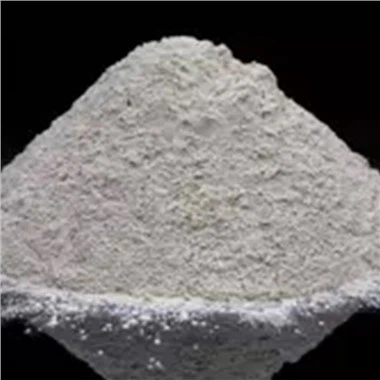
Proper storage of CMC Cellulose is crucial for maintaining its quality and performance. As a CMC Cellulose supplier, I understand the importance of providing customers with guidance on how to store this versatile product effectively. In this blog post, I'll share some key considerations and best practices for storing CMC Cellulose to ensure its long - term stability.
Understanding CMC Cellulose
Before delving into storage methods, it's essential to understand what CMC Cellulose is. CMC Cellulose, or Carboxymethyl Cellulose, is a water - soluble polymer derived from cellulose. It has a wide range of applications, including in the food, pharmaceutical, and personal care industries. You can learn more about it on our website: CMC Cellulose.
There are different forms of CMC Cellulose available, such as Food Grade Granular CMC and Food Grade Powder CMC. Each form may have slightly different storage requirements, but the general principles remain the same.
Temperature and Humidity Control
One of the most critical factors in storing CMC Cellulose is controlling the temperature and humidity of the storage environment. CMC Cellulose is hygroscopic, which means it can absorb moisture from the air. Excessive moisture absorption can lead to clumping, degradation of the product, and a decrease in its functionality.
- Temperature: The ideal storage temperature for CMC Cellulose is between 10°C and 30°C (50°F - 86°F). Temperatures outside this range can have adverse effects on the product. High temperatures can accelerate chemical reactions within the CMC Cellulose, leading to a breakdown of its molecular structure. On the other hand, extremely low temperatures may cause the product to become brittle and less soluble.
- Humidity: The relative humidity in the storage area should be kept below 60%. To achieve this, you can use dehumidifiers in areas with high humidity. If the storage area is prone to condensation, it's advisable to use moisture - resistant storage containers or add desiccants to the packaging.
Storage Containers
The choice of storage containers also plays a significant role in preserving the quality of CMC Cellulose.
- Sealed Containers: CMC Cellulose should be stored in sealed containers to prevent moisture and air from entering. Plastic or metal containers with tight - fitting lids are ideal. If the product is in bulk, large - scale storage silos with proper sealing mechanisms can be used.
- Food - Grade Containers: For food - grade CMC Cellulose, it's essential to use food - grade storage containers to ensure compliance with food safety regulations. These containers should be made of materials that are non - reactive with CMC Cellulose and do not contaminate the product.
Protection from Light
Exposure to light, especially ultraviolet (UV) light, can cause degradation of CMC Cellulose. UV light can break down the chemical bonds in the polymer, leading to a loss of its thickening and stabilizing properties. Therefore, the storage area should be kept dark or the containers should be opaque to block out light. If possible, store CMC Cellulose in a room with limited natural light or use blackout curtains.
Avoidance of Contamination
Contamination can significantly affect the quality of CMC Cellulose. Here are some steps to prevent contamination:


- Clean Storage Area: The storage area should be clean and free from dust, dirt, and other contaminants. Regularly clean the floors, shelves, and storage containers to prevent the buildup of foreign particles.
- Separation from Other Chemicals: CMC Cellulose should be stored separately from other chemicals, especially those that are reactive or have strong odors. Chemical reactions between CMC Cellulose and other substances can alter its properties and make it unsuitable for its intended applications.
Stacking and Handling
Proper stacking and handling of CMC Cellulose containers are also important.
- Stacking: When stacking containers, make sure they are stable and not over - stacked. Over - stacking can cause damage to the containers at the bottom, leading to leakage or contamination. Also, leave some space between the stacks to allow for proper air circulation.
- Handling: During handling, avoid dropping or rough handling of the containers. This can cause the CMC Cellulose to become compacted or damaged, which may affect its solubility and performance.
Inventory Management
Effective inventory management is crucial for ensuring the quality of CMC Cellulose.
- First - In, First - Out (FIFO): Implement a FIFO system in your inventory management. This means using the oldest stock of CMC Cellulose first to prevent the product from sitting in storage for too long. Over time, even under proper storage conditions, CMC Cellulose may experience some degree of degradation.
- Regular Inspections: Conduct regular inspections of your CMC Cellulose inventory. Check for signs of clumping, discoloration, or any other visible changes in the product. If any issues are detected, take appropriate measures such as transferring the affected product to a separate area for further evaluation.
Long - Term Storage
If you need to store CMC Cellulose for an extended period, additional precautions may be necessary.
- Periodic Sampling: Periodically take samples of the stored CMC Cellulose and test its properties. This can help you detect any early signs of degradation and take corrective actions before the product becomes unusable.
- Review of Storage Conditions: Regularly review the storage conditions to ensure they are still within the recommended range. Changes in the environment, such as seasonal variations in temperature and humidity, may require adjustments to the storage setup.
Conclusion
Proper storage of CMC Cellulose is essential for maintaining its quality, performance, and shelf - life. By controlling temperature and humidity, using appropriate storage containers, protecting from light, avoiding contamination, and implementing proper inventory management, you can ensure that your CMC Cellulose remains in optimal condition.
If you are interested in purchasing CMC Cellulose or have any questions about its storage or application, please feel free to contact us. We are here to provide you with high - quality CMC Cellulose products and professional advice.
References
- "Handbook of Water - Soluble Gums and Resins" by Robert L. Davidson.
- Various industry standards and guidelines related to the storage of polymers and cellulose derivatives.