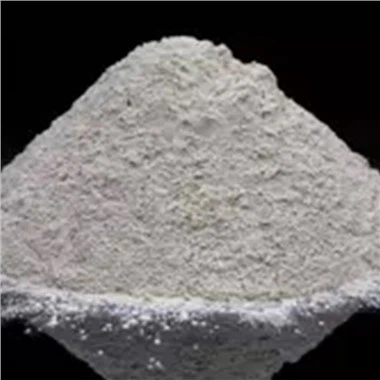
Hey there! As a supplier of Food Grade Powder CMC, I often get asked about the recommended dosage of this nifty ingredient in food. So, I thought I'd sit down and write this blog to share some insights on that.
First off, let's quickly go over what Food Grade Powder CMC is. CMC, or CMC Carboxymethyl Cellulose, is a water - soluble polymer derived from cellulose. It's widely used in the food industry because of its amazing thickening, stabilizing, and emulsifying properties. You can also hear it being called Sodium Carboxymethyl Cellulose or CMC Cellulose.
Now, the recommended dosage of Food Grade Powder CMC in food can vary quite a bit depending on a few factors. One of the biggest factors is the type of food product you're working with.
Beverages
Let's start with beverages. In fruit juices and soft drinks, CMC is often used to prevent sedimentation and give the drink a more consistent texture. Usually, a dosage of 0.1% - 0.5% by weight of the total beverage is recommended. For example, if you're making 1000 grams of fruit juice, you'd add between 1 and 5 grams of Food Grade Powder CMC. This small amount helps keep the fruit pulp evenly distributed throughout the drink, so you don't get a big clump of pulp at the bottom of the glass.
In dairy - based beverages like milkshakes and smoothies, the dosage might be a bit higher, around 0.2% - 0.8%. Dairy products have a different composition compared to fruit juices, and they need a bit more CMC to achieve the desired stability and thickness. This extra CMC helps prevent the separation of milk proteins and fats, giving your milkshake a smooth and creamy texture from the first sip to the last.
Baked Goods
When it comes to baked goods, CMC can play a crucial role. In bread, for instance, adding 0.1% - 0.3% of CMC by weight of the flour can improve the dough's handling properties. It makes the dough more elastic and easier to shape, and it also helps retain moisture in the bread. This means your bread stays fresher for longer, with a softer crumb.
In cakes and pastries, a dosage of 0.2% - 0.5% can work wonders. CMC helps in preventing the cake from drying out too quickly, and it also gives the cake a better structure. It can make the cake more moist and tender, enhancing the overall eating experience.
Dairy Products
In yogurt and ice cream, CMC is a popular additive. For yogurt, a dosage of 0.1% - 0.4% is typically recommended. It helps prevent whey separation, which is that watery layer that sometimes forms on top of yogurt. The CMC thickens the yogurt, giving it a more appealing and consistent texture.
In ice cream, the dosage can range from 0.2% - 0.5%. CMC helps in controlling the growth of ice crystals during freezing. This results in a smoother, creamier ice cream that doesn't have that gritty texture you sometimes get with poorly made ice cream.


Sauces and Dressings
Sauces and dressings also benefit from the addition of CMC. In salad dressings, a dosage of 0.2% - 0.6% can prevent the oil and vinegar from separating. It gives the dressing a nice, thick consistency that clings to the salad leaves.
For tomato - based sauces like ketchup, a dosage of 0.3% - 0.7% is common. CMC helps in achieving the right thickness and viscosity, so the sauce pours easily but also holds its shape on your fries or burger.
Factors Affecting Dosage
There are other factors that can influence the recommended dosage of Food Grade Powder CMC apart from the type of food. The quality of the CMC itself matters. Different grades of CMC have different degrees of substitution and viscosity, which can affect how much you need to use. Higher - viscosity CMC might require a lower dosage to achieve the same effect as a lower - viscosity one.
The processing conditions also play a role. If you're using high - temperature processing, you might need to adjust the dosage because heat can sometimes break down the CMC to some extent. Also, the pH of the food product can impact the performance of CMC. In acidic foods, for example, you might need to use a bit more CMC to get the desired thickening and stabilizing effects.
Safety and Regulations
It's important to note that Food Grade Powder CMC is generally recognized as safe (GRAS) by regulatory bodies like the FDA in the United States. However, it's still crucial to follow the recommended dosages. Over - using CMC can not only lead to an unappealing texture in the food but also might raise some safety concerns. Always make sure to stay within the legal limits set by the relevant food safety authorities in your region.
Why Choose Our Food Grade Powder CMC
As a supplier, I can tell you that our Food Grade Powder CMC is top - notch. We've got strict quality control measures in place to ensure that every batch meets the highest standards. Our CMC is consistent in quality, which means you can rely on it to give you the same great results every time you use it.
Whether you're a small - scale food producer or a large - scale manufacturer, we can provide you with the right amount of CMC for your needs. We offer different grades of CMC to suit various applications, so you can choose the one that's perfect for your specific food product.
Get in Touch
If you're interested in learning more about our Food Grade Powder CMC or want to discuss the right dosage for your food products, don't hesitate to reach out. We're here to help you make the most of this amazing ingredient. Whether you've got questions about the technical aspects or you're ready to place an order, we're just a message away. Let's work together to create delicious and high - quality food products!
References
- Food Chemicals Codex (FCC).
- United States Food and Drug Administration (FDA) regulations on food additives.
- Various research papers on the application of CMC in the food industry.