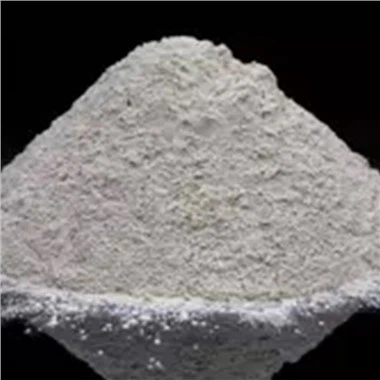
As a supplier of Oil Drilling Grade Organoclay, I understand the critical role that this product plays in the oil drilling industry. Organoclay is a key component in drilling fluids, which are essential for maintaining wellbore stability, lubricating the drill bit, and carrying cuttings to the surface. In this blog post, I will discuss the quality standards for Oil Drilling Grade Organoclay, including its physical and chemical properties, performance requirements, and industry specifications.
Physical and Chemical Properties
Particle Size Distribution
The particle size distribution of Organoclay is a crucial factor that affects its performance in drilling fluids. A well - graded Organoclay with a proper particle size distribution can provide better suspension and rheological properties. Generally, the particle size of Oil Drilling Grade Organoclay should be in a specific range to ensure good dispersion in the drilling fluid. Finer particles can enhance the viscosity - building ability, while coarser particles may contribute to better filtration control.
Swelling Capacity
Swelling capacity is another important physical property. When Organoclay comes into contact with the base fluid (such as diesel, synthetic oil, etc.), it should have the ability to swell to a certain extent. This swelling helps in forming a stable gel structure in the drilling fluid, which is beneficial for suspending cuttings and preventing fluid loss. A high - quality Organoclay should have a consistent and appropriate swelling capacity under different operating conditions.
Chemical Composition
The chemical composition of Organoclay is mainly based on bentonite, which is modified with organic cations. The type and amount of organic modifiers used can significantly affect the performance of the Organoclay. For example, different organic ammonium salts can be used to modify bentonite, and the choice depends on the specific requirements of the drilling fluid system. The chemical stability of the Organoclay is also important to ensure that it does not react with other components in the drilling fluid under high - temperature and high - pressure conditions.
Performance Requirements
Rheological Properties
Rheological properties are perhaps the most critical performance requirements for Oil Drilling Grade Organoclay. These properties include viscosity, yield point, and gel strength.
- Viscosity: Viscosity is a measure of the resistance of the drilling fluid to flow. A suitable viscosity is necessary to carry cuttings to the surface efficiently. The Organoclay should be able to increase the viscosity of the base fluid to an appropriate level. For different drilling operations, such as vertical drilling or horizontal drilling, different viscosity requirements may apply.
- Yield Point: The yield point represents the minimum stress required to initiate the flow of the drilling fluid. A proper yield point ensures that the fluid can start flowing easily when the pump is started and can suspend cuttings when the circulation stops.
- Gel Strength: Gel strength is the ability of the drilling fluid to form a gel structure when the flow stops. A high gel strength helps in preventing the settling of cuttings during periods of non - circulation, such as when the drill bit is being changed.
Filtration Control
Filtration control is essential to prevent the loss of drilling fluid into the formation. Organoclay can form a thin filter cake on the wellbore wall, which reduces the fluid loss. The quality of the filter cake formed by the Organoclay depends on its particle size, swelling capacity, and other properties. A good - quality Organoclay should be able to form a low - permeability filter cake to minimize fluid loss and protect the wellbore.

Temperature and Pressure Resistance
Drilling operations often occur under high - temperature and high - pressure conditions. Oil Drilling Grade Organoclay should be able to maintain its performance under these harsh conditions. High - temperature stability is crucial to prevent the breakdown of the gel structure and loss of viscosity. Similarly, the Organoclay should also be able to withstand high pressures without significant changes in its properties.
Industry Specifications
The oil and gas industry has established several standards and specifications for Oil Drilling Grade Organoclay. These standards ensure the quality and performance consistency of the product.
- API Standards: The American Petroleum Institute (API) has developed a series of standards for drilling fluids and their components, including Organoclay. API specifications cover various aspects such as physical and chemical properties, rheological properties, and testing methods. For example, API RP 13B - 2 provides guidelines for the testing and evaluation of oil - based drilling fluids containing Organoclay.
- ISO Standards: The International Organization for Standardization (ISO) also has relevant standards for drilling fluids and related products. ISO standards are more globally recognized and provide a unified framework for quality control. They ensure that the Organoclay meets the requirements of different regions and applications in the oil and gas industry.
Product Variations and Their Applications
We offer different types of Oil Drilling Grade Organoclay products to meet the diverse needs of the drilling industry.
- Organic Bentonite with Primarily Diesel - based Drilling Fluids: This type of Organoclay is specifically designed for diesel - based drilling fluids. It has excellent compatibility with diesel and can provide good rheological properties and filtration control in diesel - based systems.
- Modified Bentonite with Oil Based Drilling: This product is a modified version of bentonite for use in various oil - based drilling fluids. It offers enhanced performance in terms of viscosity - building, gel strength, and temperature resistance.
- Organoclay with Synthetic - oil Base Fluids: For synthetic - oil base fluids, this Organoclay is optimized to work effectively. It can adapt to the unique properties of synthetic oils and provide stable performance in synthetic - oil - based drilling fluid systems.
Quality Control and Assurance
At our company, we have a strict quality control system in place to ensure that our Oil Drilling Grade Organoclay meets the highest standards. From the raw material selection to the final product packaging, every step is carefully monitored.
We source high - quality bentonite from reliable mines and use advanced modification techniques to produce Organoclay. During the production process, we conduct regular in - process inspections to check the physical and chemical properties of the product. After production, each batch of Organoclay is tested according to industry standards, including API and ISO standards. Only products that pass all the tests are released for sale.
Conclusion
In conclusion, the quality standards for Oil Drilling Grade Organoclay are comprehensive and cover various aspects of physical properties, chemical composition, performance requirements, and industry specifications. As a supplier, we are committed to providing high - quality Organoclay products that can meet the demanding needs of the oil and gas drilling industry. Whether you are using diesel - based, oil - based, or synthetic - oil - based drilling fluids, our range of Organoclay products can offer the performance and reliability you need.
If you are interested in our Oil Drilling Grade Organoclay products and would like to discuss your specific requirements or start a procurement negotiation, please feel free to reach out to us. We are looking forward to working with you to ensure the success of your drilling operations.
References
- API RP 13B - 2, Recommended Practice for Testing Oil - Based Drilling Fluids, American Petroleum Institute.
- ISO standards related to drilling fluids and related products, International Organization for Standardization.