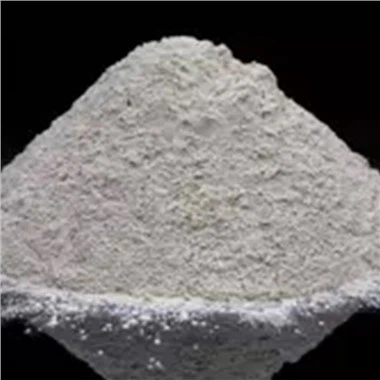
Hey there! As a supplier of Food Grade Powder CMC, I often get asked about how this nifty ingredient can prevent food from spoiling. Well, buckle up, because I'm about to take you on a deep - dive into the world of Food Grade Powder CMC and its spoilage - fighting superpowers.
First off, let's understand what Food Grade Powder CMC is. CMC stands for carboxymethyl cellulose. CMC Cellulose is a derivative of cellulose, which is a natural polymer found in the cell walls of plants. It's been chemically modified to have carboxymethyl groups attached to the cellulose backbone. This modification gives CMC some really cool properties that make it a great addition to the food industry.
One of the key ways Food Grade Powder CMC helps prevent food spoilage is through its ability to form a protective barrier. When you add CMC to food, it can create a thin film on the surface of the food product. This film acts like a shield, keeping out oxygen, moisture, and microorganisms.
Let's talk about oxygen first. Oxygen is the enemy of many food products. It can cause oxidation, which leads to things like rancidity in fats and oils, color changes, and loss of flavor. For example, in nuts, the unsaturated fats can react with oxygen over time, making the nuts taste stale. But when you use Food Grade Powder CMC, the barrier it forms reduces the amount of oxygen that can reach the food. This slows down the oxidation process significantly, extending the shelf - life of the nuts and keeping them fresh and tasty for longer.
Moisture is another big factor in food spoilage. Too much moisture can lead to the growth of mold and bacteria, and it can also cause textural changes in food. For instance, in baked goods, excess moisture can make them soggy. Food Grade Powder CMC can help control moisture levels. It can absorb and hold onto water, preventing it from migrating within the food product or evaporating. In ice cream, for example, CMC helps to keep the ice crystals small and the texture smooth. It also prevents the ice cream from melting too quickly by controlling the release of moisture. This not only improves the quality of the ice cream but also helps it last longer in the freezer.
Microorganisms, such as bacteria, yeast, and mold, are the main culprits behind food spoilage. They can grow rapidly in the right conditions, breaking down the food and producing unpleasant odors, flavors, and textures. Food Grade Powder CMC can inhibit the growth of these microorganisms in a couple of ways. Firstly, the protective barrier it forms makes it harder for microorganisms to access the nutrients in the food. Without easy access to nutrients, their growth is slowed down. Secondly, CMC can change the physical and chemical environment of the food in a way that is less favorable for microbial growth. It can affect the pH, water activity, and viscosity of the food, all of which can have an impact on the ability of microorganisms to thrive.
Another important property of Food Grade Powder CMC is its thickening and stabilizing abilities. When you add CMC to a food product, it can increase the viscosity of the product. This is useful in many ways when it comes to preventing spoilage. In salad dressings, for example, a higher viscosity means that the oil and water phases are less likely to separate. If the oil and water separate, it can create pockets where bacteria can grow more easily. By keeping the dressing well - mixed, CMC helps to maintain a more uniform environment, reducing the risk of spoilage.
In dairy products like yogurt, CMC acts as a stabilizer. It helps to prevent the separation of the whey from the curd. Whey separation not only looks unappealing but can also create an environment where bacteria can grow. By keeping the yogurt in a stable, homogeneous state, CMC helps to extend its shelf - life and maintain its quality.
Food Grade Powder CMC also has some emulsifying properties. Emulsions are mixtures of two immiscible liquids, like oil and water. In many food products, such as mayonnaise and margarine, an emulsion needs to be stable to prevent spoilage. CMC can help to keep the oil droplets dispersed in the water phase, preventing them from coalescing and forming larger droplets. This stable emulsion structure makes it more difficult for microorganisms to grow, as they have a harder time accessing the nutrients in the dispersed phases.
Now, let's talk about different forms of CMC. We also offer Food Grade Granular CMC. The granular form has its own advantages. It can be easier to handle and disperse in some food products compared to the powder form. The granular CMC can still perform all the same functions as the powder, such as forming a protective barrier, thickening, and stabilizing.
Sodium Carboxymethyl is a common type of CMC used in the food industry. It is highly soluble in water, which makes it easy to incorporate into a wide variety of food products. Sodium carboxymethyl CMC has excellent rheological properties, meaning it can give the food the right texture and consistency. In soups and sauces, it can make them thicker and more stable, enhancing the overall quality and shelf - life of the product.
In addition to its spoilage - preventing properties, Food Grade Powder CMC is also safe for consumption. It has been approved by regulatory authorities around the world, such as the Food and Drug Administration (FDA) in the United States. This means that you can use it with confidence in your food products, knowing that it won't pose any health risks to consumers.
So, if you're in the food industry and looking for a way to improve the shelf - life and quality of your products, Food Grade Powder CMC is definitely worth considering. Whether you're making snacks, dairy products, baked goods, or beverages, CMC can be a game - changer.
If you're interested in learning more about how Food Grade Powder CMC can benefit your specific food products or if you're ready to start using it in your manufacturing process, I'd love to talk to you. We can have a detailed discussion about your needs and figure out the best way to incorporate CMC into your recipes.
References


- "Food Additives: Chemistry, Safety, and Bioavailability" by Fereidoon Shahidi
- "Handbook of Food Science, Technology, and Engineering" edited by Y.H. Hui