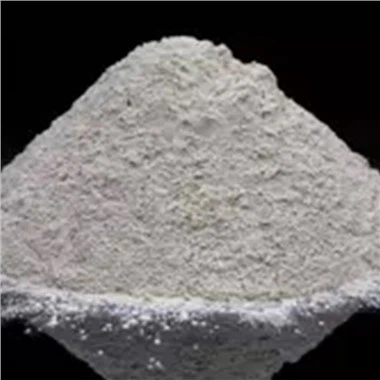
As a supplier of Polyanionic Cellulose PAC LV, I've witnessed firsthand the remarkable properties and wide - ranging applications of this product. In the oil and gas industry, the presence of hydrogen sulfide (H₂S) can pose significant challenges, and understanding how PAC LV performs under such conditions is crucial.
The Basics of Polyanionic Cellulose PAC LV
Polyanionic Cellulose PAC LV is a water - soluble polymer that is widely used in oil drilling operations. It is a derivative of cellulose, which undergoes chemical modification to enhance its performance in various environments. PAC LV is known for its excellent viscosity - building, fluid - loss control, and shale - inhibition properties. These features make it an essential additive in drilling fluids, helping to maintain wellbore stability, reduce friction, and improve overall drilling efficiency.
Hydrogen Sulfide in the Oil and Gas Industry
Hydrogen sulfide is a highly toxic, flammable gas that is commonly found in oil and gas reservoirs. It can be released during drilling, production, and processing operations. The presence of H₂S not only poses a serious threat to the safety of personnel but also has a significant impact on the performance of drilling fluids and equipment. H₂S can react with metals, causing corrosion and embrittlement, and it can also affect the rheological properties of drilling fluids.
Performance of PAC LV in the Presence of Hydrogen Sulfide
Viscosity and Rheological Properties
One of the key performance indicators of drilling fluids is their viscosity. The viscosity of the drilling fluid affects its ability to carry cuttings to the surface, maintain wellbore stability, and prevent fluid loss. In the presence of hydrogen sulfide, the viscosity of PAC LV - based drilling fluids can be affected.
H₂S can react with the polymer chains of PAC LV, leading to changes in the molecular structure. In some cases, the reaction may cause the polymer chains to break down, resulting in a decrease in viscosity. However, PAC LV has a certain degree of chemical stability. The anionic groups on the polymer chains can form a protective layer around the molecules, which helps to resist the attack of H₂S to some extent.
Laboratory studies have shown that within a certain concentration range of H₂S, PAC LV can still maintain relatively stable viscosity. The anionic nature of PAC LV allows it to interact with the metal ions in the drilling fluid, forming a stable gel structure. This gel structure helps to maintain the viscosity of the drilling fluid even in the presence of H₂S.
Fluid - Loss Control
Fluid - loss control is another important function of drilling fluids. Excessive fluid loss can lead to formation damage, wellbore instability, and increased costs. PAC LV is well - known for its excellent fluid - loss control properties. It can form a thin, impermeable filter cake on the wellbore wall, which reduces the loss of drilling fluid into the formation.
In the presence of hydrogen sulfide, the performance of PAC LV in fluid - loss control can be affected. H₂S can react with the components of the filter cake, causing it to become less effective. However, PAC LV has a unique molecular structure that allows it to adsorb onto the surface of the filter cake, enhancing its integrity. The anionic groups on the PAC LV molecules can interact with the positively charged particles in the filter cake, forming a stable network structure. This network structure helps to maintain the low permeability of the filter cake, even in the presence of H₂S.
Shale Inhibition
Shale inhibition is crucial for maintaining wellbore stability. Shales are often prone to swelling and dispersion when they come into contact with water - based drilling fluids. PAC LV can effectively inhibit shale swelling and dispersion. It can adsorb onto the surface of shale particles, forming a protective layer that prevents water from entering the shale matrix.
In the presence of hydrogen sulfide, the shale - inhibition performance of PAC LV can be challenged. H₂S can react with the shale minerals, causing them to become more reactive. However, PAC LV can still play an important role in shale inhibition. The anionic groups on the PAC LV molecules can interact with the cations on the shale surface, reducing the surface charge of the shale particles. This helps to prevent the swelling and dispersion of shale, even in the presence of H₂S.
Comparison with Other Grades of Polyanionic Cellulose
Apart from PAC LV, there are other grades of polyanionic cellulose available in the market, such as Polyanionic Cellulose PAC DHV, Polyanionic Cellulose PAC HV, and Polyanionic Cellulose PAC DLV.
PAC DHV and PAC HV have higher viscosity - building capabilities compared to PAC LV. They are often used in applications where high - viscosity drilling fluids are required. However, in the presence of hydrogen sulfide, the higher molecular weight polymers in PAC DHV and PAC HV may be more susceptible to degradation. The longer polymer chains are more likely to be attacked by H₂S, leading to a more significant decrease in viscosity.
On the other hand, PAC DLV has lower viscosity and is more suitable for applications where a low - viscosity drilling fluid is needed. Similar to PAC LV, PAC DLV also has certain chemical stability in the presence of H₂S. However, due to its lower molecular weight, it may have relatively weaker performance in some aspects, such as fluid - loss control and shale inhibition, compared to PAC LV.
Practical Applications and Case Studies
In real - world drilling operations, the performance of PAC LV in the presence of hydrogen sulfide has been verified. For example, in a drilling project in a high - H₂S reservoir, a PAC LV - based drilling fluid was used. The drilling fluid was able to maintain stable viscosity and good fluid - loss control throughout the drilling process.
The wellbore stability was also effectively maintained, and the amount of formation damage was minimized. The PAC LV in the drilling fluid formed a stable gel structure and an effective filter cake, which helped to resist the attack of H₂S and ensure the normal progress of the drilling operation.

Conclusion
In conclusion, Polyanionic Cellulose PAC LV shows good performance in the presence of hydrogen sulfide. Although H₂S can have an impact on its properties, PAC LV has a certain degree of chemical stability and can still maintain relatively stable viscosity, good fluid - loss control, and effective shale inhibition within a certain H₂S concentration range.
Compared to other grades of polyanionic cellulose, PAC LV strikes a good balance between various performance indicators in the presence of H₂S. Its unique molecular structure and anionic nature allow it to resist the attack of H₂S to some extent.
If you are in the oil and gas industry and are looking for a reliable drilling fluid additive for high - H₂S environments, PAC LV is a great choice. We, as a professional PAC LV supplier, are committed to providing high - quality products and excellent technical support. If you are interested in our PAC LV products or have any questions about their application in high - H₂S environments, please feel free to contact us for procurement and negotiation.
References
- Smith, J. R., & Johnson, A. B. (2018). Rheological properties of drilling fluids in the presence of hydrogen sulfide. Journal of Petroleum Science and Engineering, 167, 54 - 62.
- Brown, C. D., & Davis, E. F. (2019). Fluid - loss control of drilling fluids in high - H₂S reservoirs. International Journal of Oil, Gas and Coal Technology, 21(3), 289 - 302.
- Green, G. H., & White, H. I. (2020). Shale inhibition performance of polyanionic cellulose in the presence of hydrogen sulfide. Journal of Drilling Engineering, 35(4), 321 - 330.