Hey there! As a supplier of Carboxymethyl Cellulose (CMC) Gel, I've had my fair share of experiences and insights into this nifty product. CMC Gel is super versatile and used in a bunch of industries, from cosmetics to detergents. But like any other product, there are some safety things we need to keep an eye on when using it. So, let's dive right in and chat about these safety considerations.
1. Handling and Storage
First off, let's talk about how to handle and store CMC Gel properly. When you're dealing with this gel, it's important to wear the right protective gear. Gloves are a must - they'll keep your hands safe from any potential skin irritation. Safety goggles are also a good idea, especially if there's a risk of splashing. You don't want this stuff getting into your eyes!
As for storage, CMC Gel should be kept in a cool, dry place. High temperatures can cause the gel to break down and lose its effectiveness. Also, make sure the container is tightly sealed. Exposure to air can lead to contamination, which can affect the quality of the gel. And don't forget to label the container clearly. This way, everyone knows what's inside and can handle it appropriately.
2. Inhalation Risks
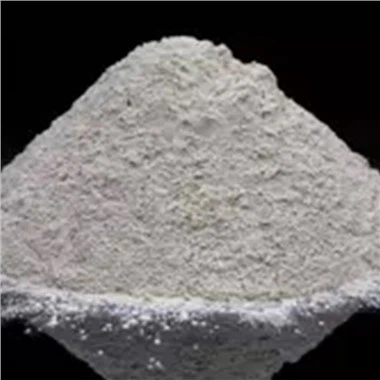
Inhalation is another safety aspect we need to consider. When CMC Gel is in powder form, there's a risk of inhaling the particles. Breathing in these particles can cause respiratory irritation, like coughing and shortness of breath. So, if you're working with the powder, it's crucial to do it in a well - ventilated area. A dust mask can also provide an extra layer of protection.
Even when the gel is in its liquid form, there's still a small risk of inhalation if it's aerosolized. For example, if you're using a sprayer with CMC Gel, make sure you're in a space with good air circulation. And always follow the manufacturer's instructions for using any equipment that might aerosolize the gel.
3. Skin and Eye Contact
Skin and eye contact are common concerns when working with CMC Gel. As I mentioned earlier, wearing gloves and goggles can prevent a lot of problems. But in case of accidental contact, here's what you should do.
If CMC Gel gets on your skin, wash the affected area immediately with plenty of soap and water. Most of the time, this will remove the gel and prevent any irritation. However, if you notice any redness, itching, or swelling, it's a good idea to see a doctor.
For eye contact, things are a bit more serious. Flush your eyes with clean, lukewarm water for at least 15 minutes. Keep your eyes open as wide as possible while doing this. After flushing, seek medical attention right away. Don't wait to see if the irritation goes away on its own.
4. Ingestion
Ingesting CMC Gel is not something that should happen, but accidents can occur. If someone accidentally swallows CMC Gel, don't induce vomiting unless instructed to do so by a medical professional. Instead, give the person a glass of water to drink and contact a poison control center or a doctor immediately.
CMC Gel is generally considered non - toxic, but it can still cause digestive problems if ingested in large amounts. So, it's important to keep the gel out of reach of children and pets.
5. Compatibility with Other Substances
When using CMC Gel, you also need to think about its compatibility with other substances. Mixing CMC Gel with incompatible chemicals can lead to chemical reactions, which can be dangerous. For example, some strong acids or bases might react with CMC Gel and cause it to break down or release harmful gases.
Before mixing CMC Gel with any other substance, do a small - scale test first. This will help you determine if there are any compatibility issues. And always read the labels of the other substances you're using to check for any warnings about mixing with CMC Gel.


6. Industry - Specific Safety
Let's talk about how safety considerations can vary depending on the industry. CMC Gel is used in a variety of sectors, and each has its own unique safety requirements.
Cosmetics
In the cosmetics industry, CMC Gel is used for its thickening and stabilizing properties. When formulating cosmetics with CMC Gel, it's important to ensure that the gel meets all the regulatory requirements for cosmetic use. You can find more information about Carboxymethyl Cellulose in Cosmetics.
Also, since cosmetics are applied directly to the skin, the gel should be free from contaminants that could cause skin allergies or other problems. Manufacturers need to follow strict quality control procedures to ensure the safety of their cosmetic products.
Detergents
In the detergent industry, CMC Gel helps to improve the cleaning performance and stability of detergents. When handling CMC Gel in a detergent manufacturing setting, workers need to be aware of the potential for chemical reactions with other detergent ingredients. You can learn more about Carboxymethyl Cellulose in Detergent.
Detergents often contain other chemicals that can be hazardous, so proper handling and storage of CMC Gel are even more important. And since detergents are used in households, the final product should be safe for consumers to use.
Skin Care
In skin care products, CMC Gel is used for its moisturizing and soothing properties. However, just like in cosmetics, it's crucial to ensure that the gel is safe for skin contact. You can get more details about Carboxymethyl Cellulose in Skin Care.
Skin care products are designed to be gentle on the skin, so the CMC Gel used should be of high quality and free from any impurities that could cause irritation.
Conclusion
So, there you have it - the main safety considerations when using Carboxymethyl Cellulose Gel. By following these guidelines, you can ensure that you're using the gel safely and effectively.
If you're in the market for high - quality CMC Gel, we're here to help. Whether you're in the cosmetics, detergent, or skin care industry, we have the right product for you. Don't hesitate to reach out if you have any questions or if you're interested in purchasing. We're always happy to have a chat and discuss your needs.
References
- Cosmetic Ingredient Review Expert Panel. (Year). Safety Assessment of Carboxymethyl Cellulose as Used in Cosmetics. Journal of Cosmetic Science.
- Detergent Manufacturers Association. (Year). Guidelines for the Safe Use of Chemicals in Detergent Manufacturing.
- Skin Care Research Institute. (Year). Safety and Efficacy of Carboxymethyl Cellulose in Skin Care Products. Skin Care Journal.