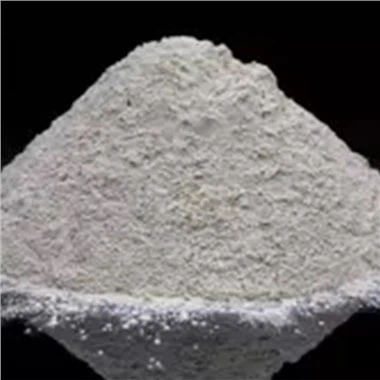
Hey there! I'm a supplier of Carboxymethyl Cellulose E466, and today I wanna chat about whether this stuff can be used in battery manufacturing.
First off, let's get to know Carboxymethyl Cellulose E466 a bit better. Carboxymethyl Cellulose E466 is a widely - used additive. You can learn more about it on this page: Carboxymethyl Cellulose E466. It's derived from cellulose, which is a natural polymer found in plants. In the food industry, it's used as a thickener, stabilizer, and emulsifier. It can make food products have a better texture and longer shelf - life. There's also Sodium Carboxymethyl, which is a related form, and you can check out more info about it here: Sodium Carboxymethyl. And if you're interested in the food - grade powder form, head over to Food Grade Powder CMC.
But the question is, can it step out of the food world and into battery manufacturing? Well, let's dig into the properties of Carboxymethyl Cellulose E466 that might make it suitable for batteries.
One of the key properties is its high solubility in water. In battery manufacturing, water - soluble binders are really important. When making electrodes for batteries, a binder is used to hold the active materials together. Carboxymethyl Cellulose E466 can dissolve in water easily, which means it can be used to form a homogeneous slurry with the active materials in the electrode. This slurry can then be coated onto a current collector to make the electrode. The ability to form a good slurry is crucial because it affects the uniformity and adhesion of the active materials on the current collector. A well - adhered and uniform electrode can improve the battery's performance in terms of charge - discharge efficiency and cycle life.
Another great thing about Carboxymethyl Cellulose E466 is its chemical stability. Batteries go through a lot of chemical reactions during charging and discharging. The binder in the electrode needs to be able to withstand these chemical reactions without breaking down. Carboxymethyl Cellulose E466 has a relatively stable chemical structure, so it can maintain its integrity in the harsh chemical environment inside a battery. This stability helps to keep the electrode structure intact over multiple charge - discharge cycles, reducing the risk of electrode degradation and improving the overall lifespan of the battery.
It also has good mechanical properties. The binder in a battery electrode needs to have enough strength to hold the active materials together during the volume changes that occur when the battery is charged and discharged. Carboxymethyl Cellulose E466 can form a flexible and strong film when dried. This film can act as a matrix that holds the active particles in place, even when they expand and contract. This mechanical support is essential for preventing the active materials from detaching from the current collector, which could lead to a loss of electrical contact and a decrease in battery performance.
Now, let's look at some real - world applications. In lithium - ion batteries, which are the most common type of rechargeable batteries used in portable electronics and electric vehicles, Carboxymethyl Cellulose E466 has been tested as a binder for the anode. The anode in a lithium - ion battery is usually made of graphite or other carbon - based materials. Carboxymethyl Cellulose E466 can be used as a binder to hold the graphite particles together. Tests have shown that using Carboxymethyl Cellulose E466 as a binder can improve the anode's performance. It can increase the initial charge - discharge efficiency and also enhance the cycle life of the battery.
In addition to lithium - ion batteries, Carboxymethyl Cellulose E466 also shows potential in other types of batteries, such as sodium - ion batteries. Sodium - ion batteries are being developed as an alternative to lithium - ion batteries because sodium is more abundant and cheaper than lithium. The same properties that make Carboxymethyl Cellulose E466 suitable for lithium - ion batteries, like its solubility, chemical stability, and mechanical strength, also make it a promising binder for sodium - ion battery electrodes.
However, there are also some challenges. One of the challenges is the cost. Although Carboxymethyl Cellulose E466 is relatively inexpensive compared to some other battery binders, the large - scale production of batteries requires a significant amount of binder. So, the cost of using Carboxymethyl Cellulose E466 on a large scale needs to be carefully considered. Another challenge is the optimization of the manufacturing process. The amount of Carboxymethyl Cellulose E466 used, the way it is mixed with the active materials, and the drying conditions all need to be optimized to get the best battery performance.
Despite these challenges, the potential benefits of using Carboxymethyl Cellulose E466 in battery manufacturing are quite significant. As the demand for high - performance and long - lasting batteries continues to grow, finding cost - effective and sustainable binders is becoming more and more important. Carboxymethyl Cellulose E466, with its natural origin and good properties, could be a great candidate to meet this demand.
If you're in the battery manufacturing industry and are interested in exploring the use of Carboxymethyl Cellulose E466 in your products, I'd love to have a chat with you. We can discuss how our high - quality Carboxymethyl Cellulose E466 can be tailored to your specific battery manufacturing needs. Whether you're looking for a binder for lithium - ion batteries, sodium - ion batteries, or other types of batteries, we're here to help.
In conclusion, Carboxymethyl Cellulose E466 has a lot of potential in battery manufacturing. Its solubility, chemical stability, and mechanical properties make it a suitable binder for battery electrodes. Although there are some challenges to overcome, the benefits it offers in terms of improving battery performance and lifespan are worth considering. If you're looking for a reliable and innovative solution for your battery manufacturing process, don't hesitate to reach out and start a conversation about procurement.


References:
- "Battery Materials Science" by some well - known battery researchers.
- Research papers on the use of binders in lithium - ion and sodium - ion batteries from scientific journals.