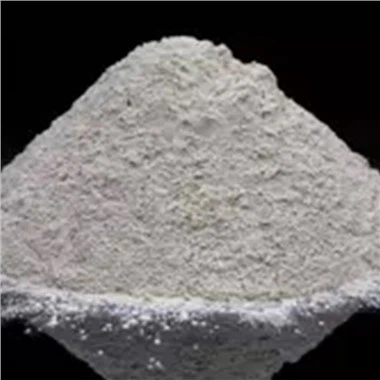
Hey there! As a supplier of Granulated Sucralose, I've got a lot of insights to share about this amazing sweetener, especially when it comes to its storage requirements.
First off, let's talk a bit about Granulated Sucralose itself. It's a super - popular artificial sweetener that's way sweeter than regular sugar. You can check out more details about it on our website Granulated Sucralose. It's commonly used in a variety of food and beverage products, and it's a great option for those who want to cut down on their sugar intake without sacrificing sweetness.

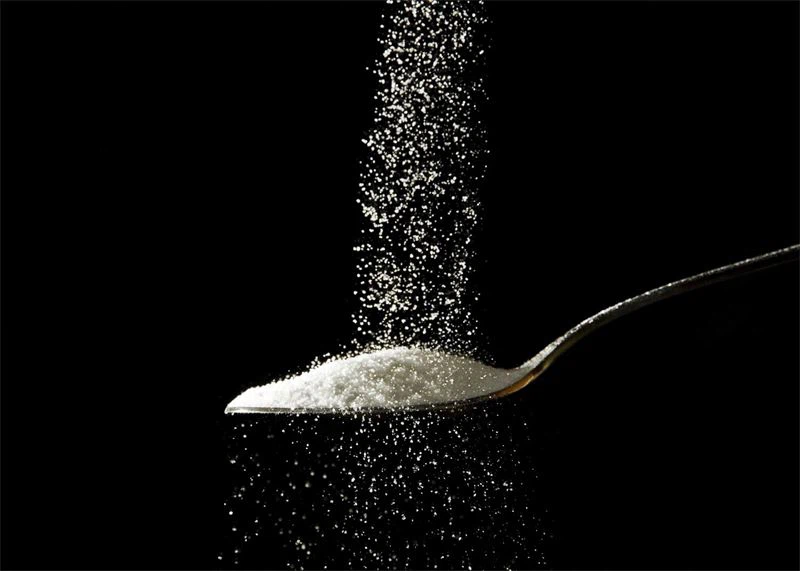
Now, onto the storage requirements. The key to storing Granulated Sucralose is to keep it in a cool, dry place. Why? Well, sucralose is a pretty stable compound, but like most things, it can be affected by its environment.
Temperature
Temperature plays a huge role in the storage of Granulated Sucralose. You don't want to expose it to extreme heat or cold. High temperatures can cause the granules to clump together. When it gets too hot, the moisture in the air around the sucralose can start to condense on the granules, and before you know it, you've got a big clump instead of nice, free - flowing granules. On the other hand, extremely cold temperatures can also have an impact. It might not damage the sucralose chemically, but it can still affect its physical properties.
The ideal temperature range for storing Granulated Sucralose is between 20°C and 25°C (68°F - 77°F). This is a fairly normal room temperature, so it's not too hard to achieve. If you're storing it in a warehouse or a large storage facility, you might need to invest in some temperature - control equipment, like air conditioners or heaters, to maintain this range.
Humidity
Humidity is another big factor. Sucralose is hygroscopic, which means it can absorb moisture from the air. When it absorbs too much moisture, it can clump, which is not only a hassle but can also affect its performance. You see, if the granules are clumped together, it's harder to measure the right amount of sucralose when you're using it in recipes.
To prevent this, you should aim for a relative humidity of less than 60%. You can use dehumidifiers in your storage area to keep the humidity in check. If you're storing it in smaller quantities at home, you can put the sucralose in an air - tight container. This will help keep the moisture out and maintain the quality of the granules.
Light
Light might not be the first thing that comes to mind when you think about storage, but it can actually have an impact on Granulated Sucralose. Prolonged exposure to direct sunlight or strong artificial light can cause some chemical changes in the sucralose over time. These changes might not make it unsafe to consume, but they could potentially affect its taste and stability.
So, it's best to store Granulated Sucralose in a dark place. If you're using clear containers, you can keep them in a cupboard or a storage room where they're not exposed to light.
Packaging
The packaging of Granulated Sucralose also matters. Good packaging can provide an extra layer of protection against temperature, humidity, and light. At our company, we use high - quality, air - tight packaging for our Granulated Sucralose. This helps to keep it fresh and in good condition for a long time.
If you're buying Granulated Sucralose in bulk, make sure to transfer it to a suitable storage container as soon as possible. Avoid using containers that are made of materials that might react with the sucralose. For example, some plastics can leach chemicals over time, so it's better to use food - grade containers.
Shelf Life
When stored properly, Granulated Sucralose has a relatively long shelf life. Usually, it can last for about 2 - 3 years. However, this can vary depending on the storage conditions. If you don't follow the right storage requirements, the shelf life can be significantly reduced. You might start to notice changes in the appearance, taste, or performance of the sucralose after a shorter period.
Use in Baking
Granulated Sucralose is a great option for baking. You can find more information about using it in baking on our pages Sucralose in Baking and Sucralose For Baking. When you're storing it for baking purposes, the same storage rules apply. You want to make sure it's in good condition so that it performs well in your recipes.
If you're a baker, you know how important it is to have consistent ingredients. Storing Granulated Sucralose correctly ensures that you'll get the same great results every time you use it. Whether you're making cakes, cookies, or bread, the quality of the sucralose can make a big difference in the final product.
Final Thoughts
In conclusion, storing Granulated Sucralose correctly is crucial to maintain its quality, taste, and performance. By keeping it in a cool, dry, and dark place, and using proper packaging, you can ensure that it lasts for a long time and works well in all your applications.
If you're interested in purchasing Granulated Sucralose for your business or personal use, don't hesitate to reach out. We're here to provide you with high - quality products and all the support you need. Whether you're a food manufacturer, a baker, or just someone looking for a great sugar substitute, we've got you covered.
Let's start a conversation about your Granulated Sucralose needs. We're ready to work with you to find the best solutions for your specific requirements.
References
- Food Chemicals Codex (FCC) - provides general guidelines on the quality and storage of food ingredients.
- Scientific studies on the stability of artificial sweeteners under different environmental conditions.