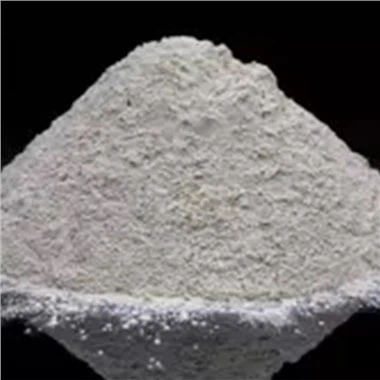
Can Polyanionic Cellulose PAC LV be used in combination with xanthan gum in drilling fluids?
As a supplier of Polyanionic Cellulose PAC LV, I often receive inquiries from clients about the compatibility and combined use of different additives in drilling fluids. One common question is whether Polyanionic Cellulose PAC LV can be used in combination with xanthan gum in drilling fluids. In this blog post, I will delve into this topic, exploring the properties of both substances, their functions in drilling fluids, and the feasibility and benefits of their combined use.
Understanding Polyanionic Cellulose PAC LV
Polyanionic Cellulose PAC LV is a crucial additive in the oil and gas drilling industry. It is a modified cellulose derivative that offers excellent rheological properties. When added to drilling fluids, PAC LV acts as a viscosifier, fluid - loss controller, and shale inhibitor. Polyanionic Cellulose PAC LV has a low - viscosity grade, which means it can effectively control the fluid loss of the drilling fluid without significantly increasing the viscosity. This is particularly important in situations where maintaining a relatively low - viscosity drilling fluid is necessary, such as in high - speed drilling operations.
The chemical structure of PAC LV allows it to form a thin, tough filter cake on the wellbore wall. This filter cake reduces the amount of fluid that can penetrate into the formation, preventing wellbore instability and protecting the reservoir from damage. Additionally, PAC LV can adsorb onto the surface of shale particles, preventing them from swelling and disintegrating in the presence of water - based drilling fluids.
Properties of Xanthan Gum
Xanthan gum is a polysaccharide produced by the fermentation of glucose or sucrose by the bacterium Xanthomonas campestris. In drilling fluids, xanthan gum is widely used as a viscosifier and suspending agent. It has unique rheological properties, such as high - viscosity at low shear rates and pseudoplastic behavior.


At low shear rates, xanthan gum forms a highly viscous gel - like structure, which helps to suspend cuttings and weighting materials in the drilling fluid. This prevents the settling of solids during periods of low - flow or when the drilling operation is paused. At high shear rates, such as during pumping, the viscosity of the xanthan - gum - containing drilling fluid decreases significantly, allowing for easy flow through the drill string and the wellbore.
Feasibility of Combining PAC LV and Xanthan Gum
The combination of Polyanionic Cellulose PAC LV and xanthan gum in drilling fluids is not only feasible but also offers several advantages. From a chemical compatibility perspective, both PAC LV and xanthan gum are water - soluble polymers and do not react with each other in a negative way. They can co - exist in the same drilling fluid system without causing precipitation or other undesirable chemical reactions.
In terms of functionality, the combination of the two additives can enhance the overall performance of the drilling fluid. PAC LV's ability to control fluid loss can be complemented by xanthan gum's excellent suspending properties. For example, in a water - based drilling fluid, PAC LV can form a tight filter cake on the wellbore wall to reduce fluid invasion into the formation, while xanthan gum can keep the cuttings and weighting materials in suspension, ensuring a clean wellbore and efficient drilling operation.
Advantages of the Combined Use
- Enhanced Fluid - Loss Control and Suspension
The combination of PAC LV and xanthan gum can provide better fluid - loss control and solids suspension compared to using either additive alone. The filter cake formed by PAC LV reduces the fluid loss, and xanthan gum's gel - like structure at low shear rates keeps the solids in suspension. This is especially beneficial in deep - well drilling, where maintaining wellbore stability and efficient cuttings removal are critical. - Improved Rheological Properties
The combined use of the two additives can result in a drilling fluid with more favorable rheological properties. The pseudoplastic behavior of xanthan gum can be adjusted by the addition of PAC LV to achieve the desired viscosity - shear rate relationship. This allows for better control of the drilling fluid's flow characteristics during different stages of the drilling operation, such as circulation, pumping, and bit penetration. - Cost - Effectiveness
By combining PAC LV and xanthan gum, it may be possible to use lower concentrations of each additive while still achieving the same or better performance compared to using a single additive at a higher concentration. This can lead to cost savings in terms of raw material procurement without sacrificing the quality of the drilling fluid.
Considerations for the Combined Use
While the combination of PAC LV and xanthan gum offers many benefits, there are also some considerations to keep in mind. The concentration of each additive needs to be carefully optimized based on the specific drilling conditions, such as well depth, formation type, and drilling speed. Over - addition of either PAC LV or xanthan gum can lead to excessive viscosity, which may cause problems such as high - pressure losses during pumping and difficulties in bit penetration.
It is also important to consider the potential impact of other additives in the drilling fluid system. Some additives may interact with PAC LV or xanthan gum and affect their performance. For example, certain salts or surfactants may change the solubility or rheological properties of the polymers. Therefore, a comprehensive laboratory testing program should be conducted before using the combined additives in the field.
Other Related Polyanionic Cellulose Products
In addition to Polyanionic Cellulose PAC LV, our company also offers Polyanionic Cellulose PAC DHV and Polyanionic Cellulose PAC DLV, which have different viscosity grades and can also be considered for use in combination with xanthan gum or other additives depending on the specific requirements of the drilling operation.
Conclusion
In conclusion, Polyanionic Cellulose PAC LV can be effectively used in combination with xanthan gum in drilling fluids. The combination offers enhanced fluid - loss control, improved suspension of solids, and better rheological properties. As a supplier of PAC LV, we have extensive experience in formulating drilling fluid systems that incorporate various additives, including xanthan gum.
If you are interested in learning more about the use of Polyanionic Cellulose PAC LV in combination with xanthan gum or other additives, or if you are looking for high - quality PAC LV products for your drilling operations, please feel free to contact us for further information and to discuss your specific needs. We are committed to providing you with the best - suited solutions for your drilling fluid requirements.
References
- API Recommended Practice 13B - 1, “Standard Procedure for Testing Water - Based Drilling Fluids,” American Petroleum Institute.
- “Drilling Fluids Technology” by John P. Hare, Gulf Professional Publishing.
- Research papers on the properties and applications of Polyanionic Cellulose and xanthan gum in the oil and gas industry from academic journals such as Journal of Petroleum Science and Engineering.