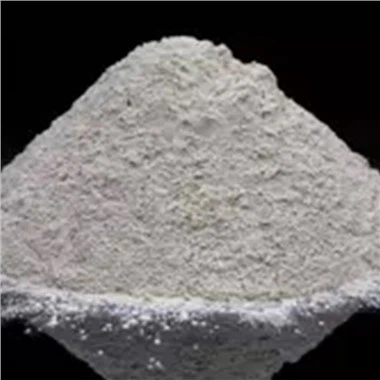
Sucralose, a high - intensity artificial sweetener, has gained significant popularity in the food industry due to its zero - calorie nature and high sweetness level. As a supplier of Food Sucralose Powder, I am often asked about the production processes behind this remarkable product. In this blog, I will take you through the detailed steps involved in the production of food sucralose powder.
Starting Materials
The production of sucralose begins with a natural substance, sucrose. Sucrose, commonly known as table sugar, is readily available from sugarcane or sugar beets. It serves as the base molecule for the synthesis of sucralose. The choice of high - quality sucrose is crucial as it directly impacts the purity and quality of the final sucralose product. This initial step is fundamental as the chemical structure of sucrose provides the framework upon which the modifications for sucralose production will occur.
Protection of Hydroxyl Groups
Once the pure sucrose is obtained, the next step is to protect specific hydroxyl groups. Sucrose has multiple hydroxyl (-OH) groups in its structure. However, only certain hydroxyl groups need to be replaced with chlorine atoms to transform sucrose into sucralose. To prevent unwanted reactions at other hydroxyl sites, protecting groups are introduced. These protecting groups are chemical moieties that temporarily block the hydroxyl groups from participating in the subsequent reactions. Commonly used protecting groups include acetyl groups. The reaction is typically carried out in an organic solvent under specific temperature and pH conditions. This step requires precise control to ensure that only the desired hydroxyl groups are left unprotected for the next stage of the process.
Chlorination
The chlorination step is the core process in the conversion of sucrose to sucralose. After the protection of non - target hydroxyl groups, a chlorinating agent is introduced. Thionyl chloride or other suitable chlorinating agents are commonly used. The reaction occurs in a carefully controlled environment, often under anhydrous conditions to avoid side reactions. The chlorinating agent replaces the unprotected hydroxyl groups with chlorine atoms. This substitution changes the chemical properties of the molecule significantly, resulting in a compound with a much higher sweetness level compared to sucrose. The reaction conditions, such as temperature, reaction time, and the amount of chlorinating agent, need to be optimized to achieve the highest yield and purity of the chlorinated product.
Deprotection
After the chlorination reaction is complete, the protecting groups that were added earlier need to be removed. This is done through a deprotection reaction. The reaction conditions for deprotection are carefully chosen to selectively remove the protecting groups without affecting the newly formed carbon - chlorine bonds. Usually, mild acidic or basic conditions are used, depending on the nature of the protecting group. Once the deprotection is successful, the molecule has the characteristic structure of sucralose.
Purification
The crude sucralose obtained from the previous steps contains impurities, including unreacted starting materials, by - products of the reactions, and traces of solvents. Purification is a critical step to obtain high - quality food - grade sucralose powder. Multiple purification techniques are employed.
Crystallization
Crystallization is one of the primary purification methods. The crude sucralose is dissolved in a suitable solvent, and then the solution is slowly cooled or concentrated to induce crystallization. Sucralose crystals form as the solution becomes supersaturated. The crystals are then separated from the mother liquor by filtration or centrifugation. This process can significantly improve the purity of sucralose by removing many of the impurities that remain in the solution.
Chromatography
Chromatography is another important purification technique. Column chromatography, in particular, is widely used. The crude sucralose is passed through a column filled with a stationary phase. Different components in the mixture interact differently with the stationary phase, leading to their separation as they move through the column at different rates. This method can separate sucralose from closely related impurities that may not be easily removed by crystallization alone.
Drying and Milling
After purification, the sucralose crystals are dried to remove any remaining traces of solvent or moisture. Drying is typically carried out under controlled temperature and pressure conditions to prevent degradation of the sucralose. Once the crystals are completely dry, they are milled into a fine powder. The particle size of the powder can be adjusted according to the specific requirements of the customers. A fine powder has better solubility and dispersibility, which are important properties for its use in the food industry.
Quality Control
Throughout the production process, strict quality control measures are implemented. Samples are taken at various stages of production and analyzed using advanced analytical techniques.
High - Performance Liquid Chromatography (HPLC)
HPLC is used to determine the purity of sucralose. It can accurately separate and quantify sucralose and any remaining impurities in the sample. This technique provides detailed information about the chemical composition of the product, ensuring that it meets the required purity standards for food applications.
Spectroscopic Analysis
Spectroscopic methods such as infrared (IR) spectroscopy and nuclear magnetic resonance (NMR) spectroscopy are used to confirm the chemical structure of sucralose. These techniques can identify the characteristic functional groups and bonds in the molecule, verifying that the final product has the correct structure.


Microbiological Testing
Microbiological testing is also crucial, especially for food - grade products. Samples are tested for the presence of bacteria, yeasts, and molds. The product must meet strict microbiological limits to ensure its safety for consumption.
Packaging
Once the food sucralose powder has passed all the quality control tests, it is ready for packaging. The powder is typically packed in sealed containers to protect it from moisture, oxygen, and light, which can cause degradation over time. Different packaging sizes are available to meet the diverse needs of customers, from small - scale users to large - scale food manufacturers.
Applications of Food Sucralose Powder
Food sucralose powder has a wide range of applications in the food industry. It can be used in beverages, such as soft drinks, juices, and energy drinks, to provide sweetness without adding calories. In baked goods, it can replace sugar partially or completely, reducing the calorie content while maintaining the desired taste and texture. It is also used in dairy products, confectionery, and processed foods. You can find more information about the Food Sucralose Powder on our website.
In addition to food applications, sucralose also has uses in the pharmaceutical industry. Pharmaceutical Sucralose Powder is used as a sweetening agent in medications to improve their palatability. If you want to know more about the chemical components of sucralose, check out our page on Sucralose Composition.
Conclusion
The production of food sucralose powder is a complex and highly regulated process that involves multiple chemical reactions and purification steps. As a supplier, we are committed to producing high - quality food sucralose powder that meets the strictest industry standards. Our advanced production facilities and rigorous quality control measures ensure that our customers receive a safe and pure product.
If you are interested in purchasing food sucralose powder for your food manufacturing business or other applications, we invite you to contact us for further discussion. We can provide you with detailed product information, samples, and competitive pricing. Let's work together to bring the sweetness of sucralose to your products.
References
- Smith, J. R., & Johnson, A. B. (2018). "Synthesis and Applications of High - Intensity Sweeteners." Journal of Food Science, 83(2), 501 - 507.
- Brown, C. D., & Green, E. F. (2019). "Quality Control in the Production of Artificial Sweeteners." Food Chemistry, 275, 234 - 241.
- Davis, G. H., & White, I. J. (2020). "Advances in the Production Technology of Sucralose." International Journal of Food Science and Technology, 55(3), 1234 - 1242.