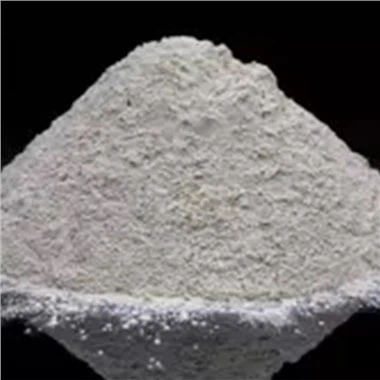
Polyanionic Cellulose (PAC) DLV is a remarkable product that has found a wide range of applications across various industries. As a supplier of PAC DLV, I am excited to share with you the main applications of this versatile material.
1. Oil and Gas Drilling Industry
One of the primary applications of PAC DLV is in the oil and gas drilling industry. In drilling operations, the drilling fluid, also known as drilling mud, plays a crucial role. PAC DLV is used as a key additive in drilling fluids for several important reasons.
Viscosity Control
PAC DLV helps to control the viscosity of the drilling fluid. By adjusting the viscosity, it ensures that the drilling fluid can effectively carry the drill cuttings to the surface. This is essential for maintaining a clean wellbore and preventing blockages that could impede the drilling process. A proper viscosity also helps to reduce the friction between the drill string and the wellbore, which can save energy and reduce wear and tear on the drilling equipment.
Filtration Control
Another critical function of PAC DLV in drilling fluids is filtration control. It forms a thin, impermeable filter cake on the walls of the wellbore. This filter cake helps to prevent the loss of drilling fluid into the surrounding rock formations. Minimizing fluid loss is important for maintaining the stability of the wellbore and for economic reasons, as it reduces the need to constantly replenish the drilling fluid.
Shale Inhibition
Shales are common rock formations encountered during drilling. They have a tendency to absorb water and swell, which can cause problems such as wellbore instability and stuck pipe. PAC DLV has excellent shale inhibition properties. It can interact with the shale surfaces and prevent water from being absorbed, thereby maintaining the integrity of the wellbore.
Compared to other grades of PAC such as Polyanionic Cellulose PAC DHV, Polyanionic Cellulose PAC LV, and Polyanionic Cellulose PAC HV, PAC DLV offers a unique balance of viscosity and filtration control properties, making it suitable for a wide range of drilling conditions.
2. Construction Industry
In the construction industry, PAC DLV is used in various building materials to improve their performance.
Cementitious Materials
When added to cementitious materials such as mortar and concrete, PAC DLV acts as a water - retaining agent. It helps to keep the water in the mixture for a longer time, which is beneficial for the hydration process of the cement. This results in better workability of the mortar or concrete, allowing for easier application and finishing. Additionally, it can improve the strength and durability of the final product by reducing the formation of cracks due to rapid drying.
Tile Adhesives
In tile adhesives, PAC DLV enhances the adhesion properties. It provides better bonding between the tiles and the substrate, ensuring that the tiles stay in place for a long time. The water - retaining property of PAC DLV also helps to prevent the adhesive from drying out too quickly, which could lead to poor adhesion.
3. Ceramics Industry
The ceramics industry also benefits from the use of PAC DLV.
Slip Preparation
In the production of ceramic slips, which are used to form ceramic shapes, PAC DLV is used as a thickening and suspending agent. It helps to increase the viscosity of the slip, making it easier to handle and shape. At the same time, it keeps the solid particles in the slip uniformly suspended, preventing sedimentation. This ensures a consistent quality of the ceramic products.
Glaze Application
When applying glazes to ceramic products, PAC DLV can be added to the glaze formulation. It improves the rheological properties of the glaze, allowing for a more even and smooth application. This results in a better - looking and more durable finish on the ceramic items.
4. Food Industry
Although in a more limited capacity compared to the industrial applications, PAC DLV also has some uses in the food industry.


Thickening and Stabilizing Agent
It can be used as a thickening and stabilizing agent in certain food products. For example, in sauces, dressings, and dairy products, PAC DLV can increase the viscosity and prevent the separation of different components. This helps to maintain the texture and appearance of the food products, providing a better sensory experience for the consumers.
5. Personal Care Products
In the personal care industry, PAC DLV is used in a variety of products.
Cosmetics
In cosmetics such as lotions, creams, and gels, PAC DLV acts as a thickening and emulsifying agent. It helps to create a stable and smooth texture, making the products easier to apply and more pleasant to use. It also helps to prevent the separation of oil and water phases in emulsions, ensuring the long - term stability of the cosmetic formulations.
Toothpaste
In toothpaste, PAC DLV is used to control the viscosity and prevent the settling of the solid particles. It provides a smooth and consistent texture, allowing for easy extrusion of the toothpaste from the tube and uniform application on the teeth.
Conclusion
The main applications of Polyanionic Cellulose PAC DLV span across multiple industries, including oil and gas drilling, construction, ceramics, food, and personal care. Its unique properties such as viscosity control, filtration control, water - retention, and thickening make it a valuable additive in a wide range of products.
As a supplier of PAC DLV, I understand the importance of providing high - quality products that meet the specific needs of our customers. Whether you are in the oil and gas industry looking for a reliable drilling fluid additive or in the construction industry seeking to improve the performance of your building materials, we have the expertise and the products to serve you.
If you are interested in learning more about our PAC DLV products or would like to discuss your specific requirements for procurement, please feel free to contact us. We are eager to engage in meaningful discussions and provide you with the best solutions for your business.
References
- "Handbook of Drilling Fluids Technology" by Asbjorn P. Skalle.
- "Construction Materials: Properties, Applications, and Performance" by Michael S. Mamlouk and John P. Zaniewski.
- "Ceramics: Science and Technology" by Ulrich Gbureck and Aldo R. Boccaccini.
- "Food Additives: Properties, Applications, and Safety" by Fereidoon Shahidi.
- "Cosmetic Science and Technology" by Harry P. F. Shroot and Reinhardt F. Lochhead.