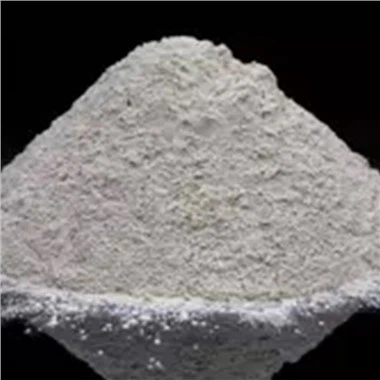
As a supplier of organophilic clay, I understand the importance of providing not only high - quality products but also transparent information about their potential health risks. Organophilic clay, a type of clay that has been modified to be more compatible with organic solvents, is widely used in various industries, including paints, coatings, adhesives, and drilling fluids. However, like any chemical substance, it is essential to be aware of its possible health implications.
Inhalation Risks
One of the primary potential health risks associated with organophilic clay is inhalation. When organophilic clay is in a fine powder form, such as during the manufacturing process or when it is being mixed into products, there is a risk of inhaling the particles. Inhaled clay particles can irritate the respiratory tract. The irritation may range from mild symptoms like coughing, sneezing, and shortness of breath to more severe conditions in the long - term.
Chronic inhalation of fine clay particles can lead to the development of pneumoconiosis, a group of lung diseases caused by the inhalation of dust. Although organophilic clay is not as well - studied as some other dust - causing agents like asbestos or silica, the physical properties of fine clay particles suggest that they could potentially deposit in the lungs and cause inflammation and scarring over time. Workers in industries where organophilic clay is handled in large quantities and in a powder form are at a higher risk. To mitigate this risk, proper ventilation systems should be in place in workplaces, and workers should be provided with appropriate respiratory protection, such as N95 masks.


Skin Contact
Direct skin contact with organophilic clay can also pose health risks. The clay may cause skin irritation, especially for individuals with sensitive skin. Organophilic clay often contains additives and modifiers that can react with the skin. These additives are used to enhance the clay's compatibility with organic solvents and its performance in various applications.
For example, some of the chemical modifiers used in organophilic clay production might be allergens. Prolonged or repeated skin contact can lead to contact dermatitis, which is characterized by redness, itching, and swelling of the skin. In severe cases, blisters may form, and the skin may become cracked and painful. Workers who handle organophilic clay directly should wear protective gloves made of appropriate materials to prevent skin contact. Additionally, they should wash their hands thoroughly after handling the clay to remove any residue.
It is also important to note that while the risk of skin contact is generally lower compared to inhalation in industrial settings, consumers who use products containing organophilic clay, such as certain types of paints or adhesives, may also be exposed to these risks. For more information on related substances and their effects on the skin, you can refer to Carboxymethyl Cellulose in Skin Care.
Ingestion
Although the risk of ingestion of organophilic clay is relatively low in normal circumstances, it is still a potential concern, especially in accidental situations. Ingestion of organophilic clay can cause gastrointestinal problems. The clay may not be easily digested by the human body and can cause blockages in the digestive tract if a large amount is consumed.
The additives and modifiers in organophilic clay may also be toxic if ingested. Some of these chemicals can disrupt the normal functioning of the digestive system, leading to symptoms such as nausea, vomiting, abdominal pain, and diarrhea. In case of accidental ingestion, medical attention should be sought immediately.
Environmental and Secondary Health Risks
Organophilic clay can also have environmental implications, which in turn can affect human health indirectly. When organophilic clay is released into the environment, it can contaminate soil and water sources. In soil, the clay can alter the soil structure and composition, which may affect plant growth. If the contaminated soil is used for agriculture, the quality of crops may be affected, and there could be a potential for the transfer of contaminants to the food chain.
In water bodies, organophilic clay can accumulate and may have an impact on aquatic life. For example, it can affect the gills of fish and other aquatic organisms, leading to reduced oxygen uptake and potential mortality. If humans consume contaminated fish or other aquatic products, there is a risk of exposure to the contaminants associated with organophilic clay.
Risk Management and Safety Measures
As a supplier of organophilic clay, I am committed to ensuring that our customers are aware of the potential health risks and have the information they need to manage them effectively. We provide detailed safety data sheets (SDS) for all our organophilic clay products. These SDS contain information about the chemical composition of the clay, potential health hazards, and recommended safety measures.
In addition to providing SDS, we also offer training and support to our customers on proper handling and storage of organophilic clay. We encourage the use of engineering controls, such as ventilation systems and enclosed handling equipment, in workplaces. Personal protective equipment (PPE) should be used as appropriate, including respiratory protection, gloves, and protective clothing.
Conclusion
While organophilic clay is a useful and versatile material in many industries, it is important to be aware of its potential health risks. By understanding these risks and taking appropriate safety measures, we can minimize the negative impacts on human health. As a supplier, I am dedicated to promoting the safe use of organophilic clay and providing high - quality products that meet industry standards.
If you are interested in purchasing organophilic clay for your business, I invite you to contact us for more information and to discuss your specific requirements. We are committed to providing not only a reliable supply of organophilic clay but also comprehensive support to ensure its safe and effective use.
References
- American Conference of Governmental Industrial Hygienists (ACGIH). Threshold Limit Values for Chemical Substances and Physical Agents and Biological Exposure Indices. Cincinnati, OH: ACGIH; updated annually.
- Occupational Safety and Health Administration (OSHA). Hazard Communication Standard. 29 CFR 1910.1200. Washington, DC: OSHA; revised 2012.
- National Institute for Occupational Safety and Health (NIOSH). NIOSH Pocket Guide to Chemical Hazards. Cincinnati, OH: NIOSH; updated regularly.