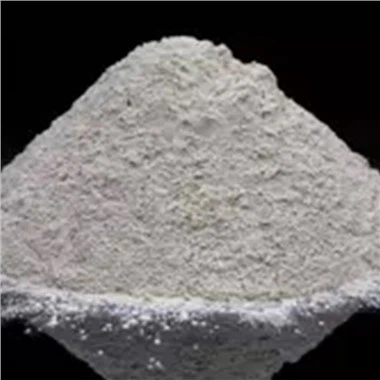
Carboxymethyl cellulose (CMC) gel is a versatile and widely used product in various industries, including cosmetics, detergents, and skin care. As a leading supplier of CMC gel, I often receive inquiries about its performance in different environments, especially acidic ones. In this blog post, I will delve into how CMC gel performs in acidic environments, exploring its properties, applications, and the factors that influence its behavior.
Properties of Carboxymethyl Cellulose Gel in Acidic Environments
Carboxymethyl cellulose is a cellulose derivative obtained by chemically modifying cellulose. It is a water - soluble polymer with carboxymethyl groups attached to the cellulose backbone. When CMC is dispersed in water, it forms a gel - like substance.
In acidic environments, the behavior of CMC gel is primarily influenced by the ionization state of the carboxymethyl groups. At low pH values, the carboxymethyl groups (-COO⁻) can become protonated (-COOH). This protonation has several effects on the properties of the CMC gel:


Viscosity Changes
One of the most significant effects is on the viscosity of the CMC gel. Generally, as the pH decreases and the carboxymethyl groups are protonated, the intermolecular electrostatic repulsion between the CMC chains decreases. This leads to a reduction in the expansion of the polymer chains in the solution, resulting in a decrease in viscosity. However, the degree of viscosity change depends on the degree of substitution (DS) of the CMC. CMC with a higher DS may have a more significant change in viscosity compared to those with a lower DS because there are more carboxymethyl groups available for protonation.
Solubility
The solubility of CMC gel can also be affected in acidic environments. Protonation of the carboxymethyl groups can reduce the hydrophilicity of the CMC molecules. In extreme cases, at very low pH values, CMC may start to precipitate out of the solution. However, this precipitation is often reversible. When the pH is adjusted back to a more neutral or alkaline range, the carboxymethyl groups become de - protonated again, and the CMC redissolves.
Gel Strength
The gel strength of CMC gel is related to its ability to form a three - dimensional network structure. In acidic conditions, the disruption of the electrostatic repulsion between CMC chains can lead to a change in the gel structure. The gel may become weaker and less elastic as the polymer chains become more compact. This can have implications for applications where gel strength is crucial, such as in some cosmetic and food products.
Applications of Carboxymethyl Cellulose Gel in Acidic Environments
Cosmetics
In the cosmetics industry, CMC gel is used in a variety of products, such as creams, lotions, and shampoos. Many cosmetic formulations have slightly acidic pH values to match the skin's natural pH (around 5.5 - 7.0). CMC gel can act as a thickener, stabilizer, and emulsifier in these products. Despite the potential viscosity changes in acidic environments, CMC gel can still provide adequate thickening and stability. For example, in acidic facial creams, CMC gel helps to maintain the proper consistency and prevent the separation of oil and water phases. To learn more about the use of CMC in cosmetics, you can visit Carboxymethyl Cellulose in Cosmetics.
Detergents
Some detergents, especially those designed for specific cleaning tasks, may have acidic pH values. CMC gel can be used in these detergents as a soil - suspending agent. In acidic conditions, although the properties of the CMC gel may change, it can still effectively suspend dirt and prevent it from redepositing on the cleaned surfaces. For more information on the use of CMC in detergents, check out Carboxymethyl Cellulose in Detergent.
Skin Care
In skin - care products, CMC gel is often used for its moisturizing and soothing properties. Many skin - care formulations are acidic to create a protective barrier on the skin. CMC gel can help to maintain the moisture content of the skin and improve the spreadability of the product. The changes in its properties in acidic environments can be carefully controlled to ensure optimal performance. You can find more details about CMC in skin care at Carboxymethyl Cellulose in Skin Care.
Factors Influencing the Performance of Carboxymethyl Cellulose Gel in Acidic Environments
Degree of Substitution (DS)
As mentioned earlier, the DS of CMC plays a crucial role in its performance in acidic environments. CMC with a higher DS has more carboxymethyl groups, which means more sites for protonation. This can lead to more significant changes in viscosity, solubility, and gel strength compared to CMC with a lower DS.
Concentration
The concentration of CMC in the gel also affects its behavior in acidic environments. Higher concentrations of CMC may result in a more viscous gel initially. When exposed to acidic conditions, the relative change in viscosity may be more noticeable at higher concentrations because there are more polymer chains interacting with each other.
Presence of Other Components
The presence of other components in the formulation can also influence the performance of CMC gel in acidic environments. For example, salts can interact with the CMC molecules and affect the electrostatic forces between the polymer chains. Some salts may enhance or mitigate the effects of pH on the CMC gel. Additionally, other polymers or surfactants in the formulation can interact with CMC and modify its properties.
Optimizing the Use of Carboxymethyl Cellulose Gel in Acidic Environments
To ensure the best performance of CMC gel in acidic environments, several strategies can be employed:
pH Control
Maintaining the pH within an optimal range is crucial. By carefully adjusting the pH of the formulation, the viscosity, solubility, and gel strength of CMC gel can be controlled. This may involve using pH - buffering agents to keep the pH stable.
Selection of CMC Grade
Choosing the appropriate CMC grade based on the specific requirements of the application is essential. For applications where high viscosity is needed even in acidic conditions, CMC with a lower DS or other modified CMC grades may be more suitable.
Formulation Design
Proper formulation design can also help to optimize the performance of CMC gel. This includes selecting compatible ingredients and considering the interactions between CMC and other components in the formulation.
Conclusion
In conclusion, the performance of Carboxymethyl Cellulose Gel in acidic environments is complex and influenced by various factors such as pH, degree of substitution, concentration, and the presence of other components. While acidic conditions can cause changes in viscosity, solubility, and gel strength, these changes can be managed through careful formulation and selection of the appropriate CMC grade.
As a supplier of Carboxymethyl Cellulose Gel, I understand the importance of providing high - quality products that meet the specific needs of different industries. Whether you are in the cosmetics, detergent, or skin - care industry, we can offer a range of CMC gel products and technical support to ensure optimal performance in your acidic formulations. If you are interested in purchasing our Carboxymethyl Cellulose Gel or have any questions about its performance in acidic environments, please feel free to contact us for a detailed discussion and procurement negotiation.
References
- Rinaudo, M. (2008). Carboxymethylcelluloses: Properties and applications. Macromolecular Bioscience, 8(3), 219 - 232.
- Lindman, B., Thalberg, K., & Piculell, L. (1992). Polyelectrolytes at interfaces. Advances in Colloid and Interface Science, 41, 143 - 192.
- Davidson, R. L., & Sittig, M. (1968). Water - soluble gums and resins handbook. McGraw - Hill.