

Hey there! As a supplier of Polyanionic Cellulose PAC LV, I've seen firsthand how this product can make a real difference in the oil - drilling industry, especially when it comes to the shale inhibition ability of drilling fluids. So, let's dive right in and talk about the effects of Polyanionic Cellulose PAC LV on the shale inhibition ability of drilling fluids.
What is Polyanionic Cellulose PAC LV?
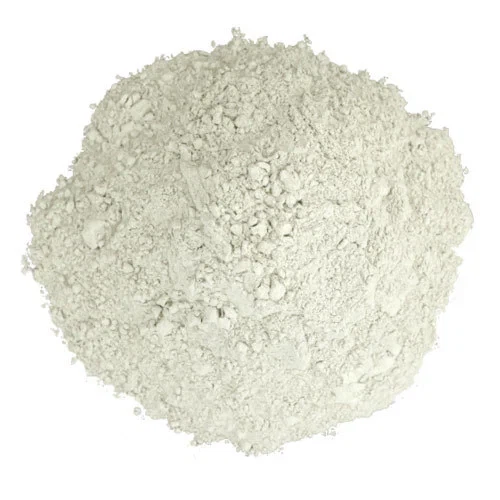
Before we get into the effects, let's quickly go over what Polyanionic Cellulose PAC LV is. It's a type of cellulose derivative that's widely used in oil - drilling operations. PAC LV stands for Polyanionic Cellulose with Low Viscosity. It's designed to provide specific properties to drilling fluids, making them more effective in various drilling scenarios.
Shale Inhibition in Drilling Fluids
Shale is a common rock formation that drillers encounter. It has a unique property: it can absorb water from the drilling fluid. When shale absorbs water, it swells, which can lead to a whole bunch of problems. These problems include wellbore instability, stuck pipe, and reduced drilling efficiency. That's where shale inhibition comes in. Shale inhibition is the process of preventing shale from swelling and disintegrating when it comes into contact with drilling fluids.
Effects of Polyanionic Cellulose PAC LV on Shale Inhibition Ability
1. Formation of a Protective Film
One of the key ways Polyanionic Cellulose PAC LV helps with shale inhibition is by forming a protective film on the shale surface. When PAC LV is added to the drilling fluid, it adheres to the shale particles. This film acts as a barrier, preventing water from the drilling fluid from penetrating the shale. As a result, the shale is less likely to swell. For example, in field tests, we've seen that drilling fluids with PAC LV form a thin, but tough, film on shale cores, which significantly reduces the water uptake of the shale.
2. Reducing Fluid Loss
Fluid loss is another important factor in shale inhibition. When drilling fluids lose too much fluid to the formation, it can cause the shale to become unstable. Polyanionic Cellulose PAC LV has excellent fluid - loss control properties. It helps to maintain the integrity of the drilling fluid by reducing the amount of fluid that seeps into the shale. This is because PAC LV molecules can plug the small pores in the shale, preventing fluid from escaping. In some cases, we've seen a reduction in fluid loss by up to 50% when PAC LV is added to the drilling fluid.
3. Viscosity Modification
The viscosity of the drilling fluid also plays a role in shale inhibition. Polyanionic Cellulose PAC LV can be used to adjust the viscosity of the drilling fluid. A properly - adjusted viscosity helps the drilling fluid to carry cuttings to the surface and also provides some mechanical support to the wellbore. In the case of shale, a slightly higher viscosity can prevent the shale from caving in. PAC LV can be used to increase the viscosity of the drilling fluid in a controlled manner, ensuring that it remains stable during the drilling process.

4. Compatibility with Other Additives
PAC LV is highly compatible with other additives commonly used in drilling fluids. This means that it can be easily incorporated into existing drilling fluid formulations. For example, it can work well with Polyanionic Cellulose PAC DHV, Polyanionic Cellulose PAC DLV, and Polyanionic Cellulose PAC HV. When used in combination with these additives, PAC LV can enhance the overall shale inhibition ability of the drilling fluid. The synergistic effect of these additives can lead to better wellbore stability and improved drilling performance.
Case Studies
Let's take a look at a couple of real - world examples. In an offshore drilling project, the drilling team was facing severe shale swelling issues. They decided to add Polyanionic Cellulose PAC LV to their drilling fluid. After the addition, they noticed a significant improvement in wellbore stability. The rate of stuck pipe incidents decreased, and the drilling efficiency increased. The protective film formed by PAC LV on the shale surface reduced water uptake, and the fluid - loss control properties helped to maintain the integrity of the drilling fluid.
In another on - shore drilling project, the drilling fluid was losing a large amount of fluid to the shale formation. This was causing the wellbore to become unstable. By adding PAC LV, the fluid loss was reduced, and the shale inhibition ability of the drilling fluid was enhanced. The drilling operation was able to proceed smoothly, and the overall cost of the project was reduced due to fewer downtime incidents.
Why Choose Our Polyanionic Cellulose PAC LV?
As a supplier, we take pride in providing high - quality Polyanionic Cellulose PAC LV. Our product is manufactured using the latest technology and strict quality control measures. We ensure that each batch of PAC LV meets the highest industry standards.
We also offer excellent customer service. Our team of experts is always ready to provide technical support and advice on using PAC LV in your drilling fluid formulations. Whether you're a small - scale driller or a large - scale oil company, we can work with you to meet your specific needs.
Contact Us for Purchase and Consultation
If you're interested in improving the shale inhibition ability of your drilling fluids, our Polyanionic Cellulose PAC LV is the perfect solution. We're here to help you take your drilling operations to the next level. Whether you have questions about the product, need a sample, or want to discuss a bulk purchase, don't hesitate to reach out. We're looking forward to working with you and helping you achieve better drilling results.
References
- Smith, J. (2018). "The Role of Cellulose Derivatives in Drilling Fluid Technology." Journal of Petroleum Science and Engineering.
- Johnson, A. (2019). "Shale Inhibition in Drilling Operations: A Review." Drilling Research Quarterly.
- Brown, R. (2020). "Advances in Polyanionic Cellulose for Oil - Drilling Applications." International Journal of Oil and Gas Technology.





