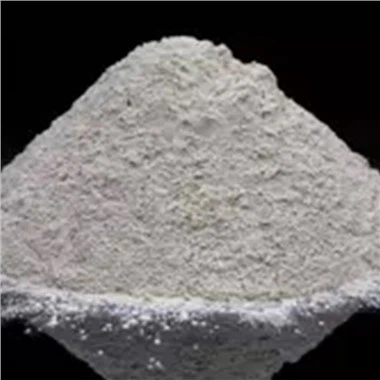
Is Food Grade Powder CMC a natural or synthetic ingredient? This is a question that has intrigued many in the food industry, as well as consumers who are increasingly conscious about the ingredients in their diets. As a supplier of Food Grade Powder CMC, I am well - versed in this topic and am eager to share my insights.
Understanding CMC Basics
CMC (Carboxymethyl Cellulose) is a modified cellulose derived from cellulose, which is one of the most abundant natural polymers on Earth. Cellulose is a primary component of the cell walls of plants, providing structure and support. It can be found in wood, cotton, and a variety of plant fibers. Given its natural origin, one might initially consider CMC a natural ingredient.
However, the process of producing CMC involves a chemical modification of cellulose. Through a reaction with chloroacetic acid in the presence of an alkali, hydroxyl groups on the cellulose chain are substituted with carboxymethyl groups. This results in Carboxymethyl Cellulose Sodium, a more water - soluble and versatile derivative than native cellulose.
The Debate: Natural vs. Synthetic
The classification of Food Grade Powder CMC as natural or synthetic depends largely on how one defines these terms.
Arguments for Natural Classification
- Source Material: The starting material for CMC, cellulose, is without a doubt a natural substance. It comes from renewable resources such as plants, making its origin firmly rooted in nature. The use of natural cellulose as the base means that CMC maintains a connection to the natural world.
- Low - toxicity and Biodegradability: Food Grade Powder CMC is generally recognized as safe (GRAS) by regulatory authorities like the U.S. Food and Drug Administration (FDA). It is non - toxic, and when released into the environment, it can be broken down by natural bacteria and fungi. This characteristic aligns with what we often associate with natural ingredients, which are typically more in harmony with the environment.
Arguments for Synthetic Classification
- Chemical Modification: The production of CMC requires a significant chemical transformation of cellulose. Although the raw material is natural, the resulting CMC has chemical properties that are distinct from cellulose. The substitution of carboxymethyl groups changes its solubility, viscosity, and other functional properties, which are not inherent to native cellulose.
- Industrial Manufacturing: The synthesis of CMC occurs in a controlled industrial setting, using precise chemical processes and equipment. This industrial nature of its production is often associated with synthetic materials.
Applications in the Food Industry
Regardless of its classification, the versatility of Food Grade Powder CMC has made it an indispensable ingredient in the food industry.
- Thickening and Stabilizing: CMC is widely used as a thickening agent in products such as sauces, dressings, and ice creams. It can increase the viscosity of these products, giving them a desirable texture and preventing separation. In ice cream, for example, CMC helps to prevent the formation of ice crystals, resulting in a smoother and creamier product.
- Emulsifying: It can act as an emulsifier, helping to mix oil and water in products like mayonnaise. By stabilizing the emulsion, CMC ensures that the product has a consistent appearance and quality.
- Film - forming: CMC can form a thin film on food surfaces, which can act as a barrier to moisture, oxygen, and other contaminants. This property is useful in preserving the freshness and quality of bakery products, fruits, and vegetables.
Quality Assurance in CMC Supply
As a supplier of Food Grade Powder CMC, we understand the importance of providing a high - quality product. Our manufacturing processes adhere to strict quality control standards to ensure that the CMC we supply meets the highest safety and functionality requirements.


We start with high - purity cellulose materials, carefully selected for their quality and suitability for food applications. The chemical modification process is carried out under controlled conditions to precisely control the degree of substitution and other properties of the CMC. After production, our products undergo rigorous testing, including assays for purity, viscosity, and particle size distribution.
In addition to quality control in production, we also ensure that our products comply with all relevant food safety regulations. We keep abreast of changes in regulations worldwide, which allows us to provide our customers with products that are not only effective but also legal and safe for use in their food products.
The Future of Food Grade Powder CMC
The demand for Food Grade Powder CMC is expected to continue growing in the future. As the food industry continues to evolve, there is an increasing need for ingredients that can provide multiple functions while maintaining high quality and safety.
- Clean - label Trend: On one hand, the clean - label trend, which emphasizes the use of natural and minimally processed ingredients, may pose a challenge to CMC's market acceptance. However, given its natural origin and GRAS status, CMC has the potential to be positioned as a relatively natural - friendly ingredient in the eyes of consumers.
- Innovation: On the other hand, with the advancement of technology, there is room for innovation in CMC production. For example, developing more sustainable and environmentally friendly manufacturing processes can make CMC an even more attractive option for the food industry.
Conclusion
In conclusion, the question of whether Food Grade Powder CMC is a natural or synthetic ingredient is not straightforward. It has a natural origin in cellulose, but the chemical modification process gives it characteristics that are often associated with synthetic materials.
Regardless of its classification, the benefits of CMC in the food industry are undeniable. Its wide range of applications, from thickening to emulsifying, make it an essential ingredient for many food products. As a supplier, we are committed to providing high - quality Food Grade Powder CMC that meets the needs of our customers while adhering to strict safety and regulatory standards.
If you are in the food industry and are interested in incorporating Food Grade Powder CMC into your products, we would be delighted to discuss your specific requirements. Contact us to start a conversation about how our CMC can enhance the quality and functionality of your food products.
References
- Food and Agriculture Organization of the United Nations (FAO). "Food Additives Series: Carboxymethyl Cellulose."
- U.S. Food and Drug Administration (FDA). "Generally Recognized as Safe (GRAS) Notices."