

In the realm of oil drilling, the performance of various drilling materials is crucial for the success and efficiency of the operation. Among these materials, Oil Drilling Grade Organoclay plays a vital role. As a supplier of Oil Drilling Grade Organoclay, I have witnessed firsthand the impact of different factors on its performance, and one of the most significant factors is temperature. In this blog, I will delve into how temperature affects the performance of Oil Drilling Grade Organoclay.
Rheological Properties
The rheological properties of Oil Drilling Grade Organoclay are highly sensitive to temperature changes. Rheology refers to the study of the flow and deformation of materials, and in the context of drilling fluids containing organoclay, it is essential for proper hole cleaning, suspension of cuttings, and maintaining wellbore stability.
At lower temperatures, the organoclay particles in the drilling fluid tend to form a more rigid structure. The intermolecular forces between the clay particles are relatively strong, which results in higher viscosity and gel strength of the drilling fluid. This can be beneficial in some cases, such as when drilling in shallow wells or when there is a need to suspend heavy cuttings. The increased viscosity helps to keep the cuttings in suspension, preventing them from settling at the bottom of the wellbore and potentially causing blockages.
However, as the temperature rises, the situation changes significantly. The thermal energy disrupts the intermolecular forces between the organoclay particles. The clay particles start to move more freely, and the structure of the drilling fluid becomes less rigid. This leads to a decrease in viscosity and gel strength. In high - temperature environments, such as deep - well drilling where the bottom - hole temperature can reach several hundred degrees Celsius, the reduction in viscosity can be a major concern. A low - viscosity drilling fluid may not be able to effectively suspend the cuttings, which can lead to poor hole cleaning and increased wear on the drilling equipment.
For example, in a drilling operation in a deep - sea well where the bottom - hole temperature was around 150°C, the initial drilling fluid with Oil Drilling Grade Organoclay had a relatively high viscosity at the surface. But as the fluid circulated down to the bottom of the well, the viscosity dropped by more than 50%. This required continuous adjustment of the drilling fluid composition to maintain the necessary rheological properties.
Swelling and Hydration
Temperature also affects the swelling and hydration behavior of Oil Drilling Grade Organoclay. Organoclay is often used to improve the fluid - loss control and wellbore stability of drilling fluids. When the organoclay comes into contact with the drilling fluid, it swells and forms a thin filter cake on the wellbore wall, which helps to prevent the loss of fluid into the formation.
At lower temperatures, the swelling process of the organoclay is relatively slow. The water molecules in the drilling fluid interact with the clay particles at a slower rate, and the formation of the filter cake is also delayed. This can result in higher fluid - loss rates in the early stages of drilling.

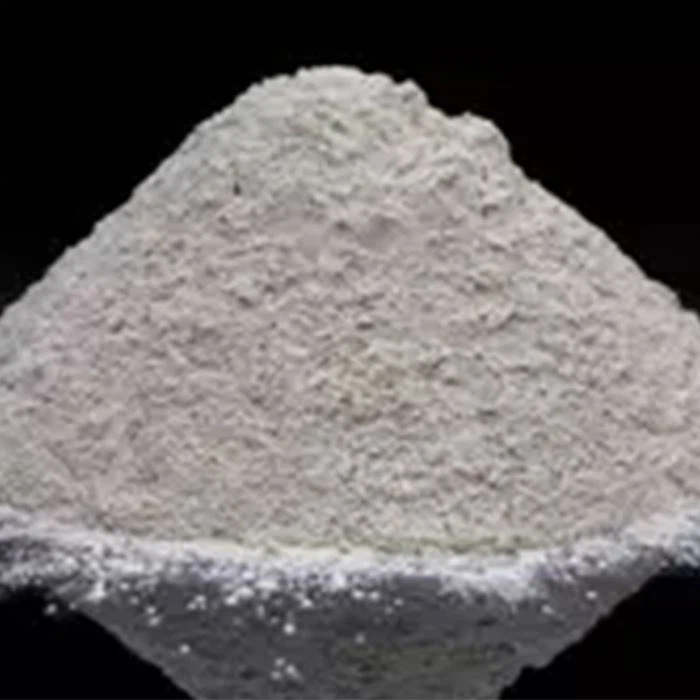
On the other hand, at higher temperatures, the swelling of the organoclay is accelerated. The increased thermal energy provides more kinetic energy for the water molecules to penetrate the clay particles, causing them to swell more rapidly. This can lead to a thicker and more effective filter cake, which reduces the fluid - loss rate. However, if the temperature is too high, the organoclay may over - swell and become unstable. The structure of the filter cake may break down, and the fluid - loss control performance may deteriorate.
For instance, in a high - temperature geothermal drilling project, the organoclay initially formed a good filter cake at around 120°C. But when the temperature reached 180°C, the filter cake started to crack, and the fluid - loss rate increased significantly.
Compatibility with Other Drilling Fluid Additives
Temperature can also influence the compatibility of Oil Drilling Grade Organoclay with other additives in the drilling fluid. Drilling fluids often contain a variety of additives, such as polymers, surfactants, and weighting agents, to achieve different performance requirements.
At lower temperatures, the interaction between the organoclay and other additives may be limited. Some additives may not dissolve or disperse properly in the drilling fluid, which can affect the overall performance of the fluid. For example, a polymer additive that is used to enhance the viscosity of the drilling fluid may not interact effectively with the organoclay at low temperatures, resulting in a less - than - optimal increase in viscosity.
As the temperature rises, the solubility and reactivity of the additives generally increase. This can improve the compatibility between the organoclay and other additives. However, high temperatures can also cause some additives to degrade or react in unexpected ways. For example, some surfactants may lose their emulsifying ability at high temperatures, which can lead to the separation of the oil and water phases in an oil - based drilling fluid containing organoclay.
Impact on Different Types of Oil Drilling Grade Organoclay
There are different types of Oil Drilling Grade Organoclay available, each with its own characteristics and performance under different temperature conditions.
Organic Bentonite with Primarily Diesel - based Drilling Fluids is commonly used in diesel - based drilling fluids. This type of organoclay has relatively good thermal stability at moderate temperatures. It can maintain its rheological properties and fluid - loss control performance in a temperature range of 80 - 120°C. However, at higher temperatures, the diesel in the drilling fluid may start to vaporize, which can affect the performance of the organoclay.
Organoclay with Synthetic - oil Base Fluids is designed for use in synthetic - oil - based drilling fluids. Synthetic oils generally have better thermal stability than diesel. The organoclay in synthetic - oil - based fluids can perform well at higher temperatures, up to 150 - 180°C. The synthetic oil provides a more stable environment for the organoclay, reducing the risk of thermal degradation.
Modified Bentonite with Oil Based Drilling is a type of organoclay that has been chemically modified to improve its performance. The modification can enhance its thermal stability and compatibility with other additives. This type of organoclay can be used in a wide range of temperature conditions, from relatively low temperatures in shallow wells to high temperatures in deep - well drilling.
Strategies to Mitigate Temperature Effects
To ensure the optimal performance of Oil Drilling Grade Organoclay in different temperature environments, several strategies can be employed.
One approach is to select the appropriate type of organoclay based on the expected temperature range of the drilling operation. For high - temperature wells, using organoclay with better thermal stability, such as the modified bentonite or organoclay for synthetic - oil - based fluids, is recommended.
Another strategy is to adjust the formulation of the drilling fluid. Adding thermal stabilizers or viscosity - enhancing agents can help to counteract the negative effects of high temperatures on the rheological properties of the organoclay. For example, some polymers can be added to the drilling fluid to increase its viscosity at high temperatures.
Proper monitoring and control of the drilling fluid temperature are also essential. By using temperature sensors in the wellbore, the drilling team can continuously monitor the temperature and make timely adjustments to the drilling fluid composition.
Conclusion
Temperature has a profound impact on the performance of Oil Drilling Grade Organoclay. It affects the rheological properties, swelling and hydration behavior, and compatibility with other additives of the organoclay. As a supplier of Oil Drilling Grade Organoclay, I understand the importance of providing high - quality products that can perform well in different temperature conditions. By selecting the appropriate type of organoclay and implementing effective strategies to mitigate temperature effects, the drilling industry can improve the efficiency and success rate of oil drilling operations.
If you are involved in the oil drilling industry and are looking for high - quality Oil Drilling Grade Organoclay, I encourage you to contact us for more information and to discuss your specific requirements. We are committed to providing the best solutions for your drilling needs.
References
- Smith, J. (2018). Rheological Behavior of Organoclay - Based Drilling Fluids at High Temperatures. Journal of Petroleum Science and Engineering, 165, 456 - 463.
- Johnson, R. (2019). Impact of Temperature on the Swelling and Hydration of Organoclay in Drilling Fluids. International Journal of Drilling Technology, 22(3), 78 - 85.
- Brown, A. (2020). Compatibility of Organoclay with Other Drilling Fluid Additives at Different Temperatures. Petroleum Engineering Review, 35(2), 123 - 131.





