

Hey there! I'm a supplier of Polyanionic Cellulose PAC HV, and today I wanna chat about how to recycle this stuff. It's not just good for the environment but can also save you some bucks in the long run.

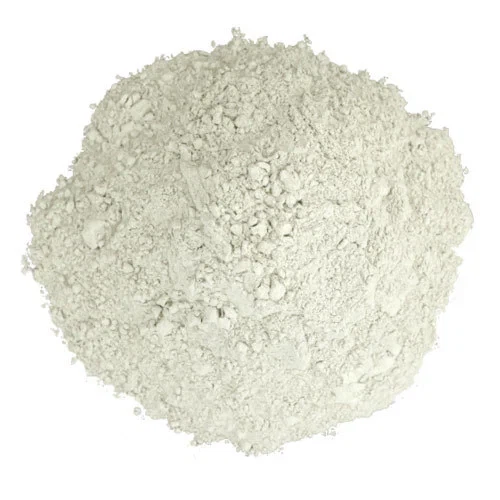
First off, let's quickly understand what Polyanionic Cellulose PAC HV is. It's a high - viscosity variant of polyanionic cellulose, which is widely used in the oil drilling industry. You can find more details about it on this page: Polyanionic Cellulose PAC HV. It helps in controlling the viscosity and fluid loss of drilling muds, ensuring smooth drilling operations.
Now, onto the recycling part. The first step in recycling Polyanionic Cellulose PAC HV is to collect the used material. In the oil drilling process, after the drilling mud has served its purpose, it contains a significant amount of PAC HV. The collection process should be systematic. You need to have proper storage containers that are resistant to the chemicals present in the drilling mud. Make sure these containers are labeled clearly so that there's no confusion.
Once you've collected the used PAC HV - containing mud, the next step is separation. There are a few ways to do this. One common method is through sedimentation. You let the mud sit in a large tank for a certain period. Due to the difference in density, the heavier particles in the mud will settle at the bottom, and the PAC HV, which is in a more colloidal state, will remain in the upper layers to some extent. After sedimentation, you can carefully siphon off the upper layers that are rich in PAC HV.
Another separation technique is filtration. You can use filters with different pore sizes to separate the PAC HV from other solid particles in the mud. The PAC HV particles are relatively small, so you'll need fine - mesh filters. This process can be a bit time - consuming, but it's quite effective in getting a relatively pure PAC HV sample.
After separation, the recovered PAC HV might still have some impurities. To purify it further, you can use chemical treatment. There are specific chemicals that can react with the impurities in the PAC HV without affecting the PAC HV itself. For example, some acids or bases can be used to dissolve certain metal ions or other contaminants. However, you need to be very careful with the choice and amount of chemicals you use. Too much of a chemical can damage the PAC HV structure.
Once the PAC HV is purified, it's time to test its quality. You can measure its viscosity, which is one of the most important properties of PAC HV. A viscometer can be used for this purpose. If the viscosity is within the acceptable range, then the recycled PAC HV can be reused. You can also test for other properties like fluid - loss control ability.
It's important to note that recycling Polyanionic Cellulose PAC HV isn't just about getting a reusable product. It also has environmental benefits. By recycling, you're reducing the amount of waste that goes into landfills. The chemicals in the drilling mud can be harmful to the environment if not properly disposed of. Recycling helps in minimizing this impact.
Now, let's talk about some other related products. There's also Polyanionic Cellulose PAC DHV and Polyanionic Cellulose PAC DLV. These variants have different properties and are used in different drilling scenarios. The recycling process for them is somewhat similar to that of PAC HV, but there might be some minor adjustments based on their specific characteristics.
If you're in the oil drilling business and are looking for high - quality Polyanionic Cellulose products, whether it's for new operations or to supplement your recycled materials, I'm here to help. I've been in the business for a while, and I understand the importance of having reliable products. Recycling is a great step, but sometimes you might still need fresh supplies. And that's where I come in.
I can offer you top - notch Polyanionic Cellulose PAC HV, PAC DHV, and PAC DLV. If you're interested in learning more about our products or want to start a procurement discussion, don't hesitate to reach out. I'm always ready to answer your questions and work out the best deal for you.
In conclusion, recycling Polyanionic Cellulose PAC HV is a multi - step process that involves collection, separation, purification, and quality testing. It's not only beneficial for the environment but also makes economic sense. And if you need any of these products, I'm your go - to supplier.
References
- Oil Drilling Chemicals Handbook
- Journal of Environmental Chemistry in Drilling Operations





