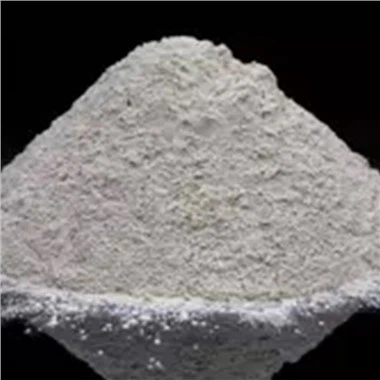
As a supplier of Polyanionic Cellulose PAC LV, I've received numerous inquiries regarding its applicability in oil - based drilling fluids. This blog post aims to delve into this topic, exploring the properties of Polyanionic Cellulose PAC LV and analyzing whether it can be effectively used in oil - based drilling fluids.
Understanding Polyanionic Cellulose PAC LV
Polyanionic Cellulose PAC LV is a water - soluble polymer derived from cellulose. It has a wide range of applications in the oil and gas industry, especially in water - based drilling fluids. Its low - viscosity grade (LV) makes it suitable for scenarios where a relatively low - viscosity fluid is required.
The structure of Polyanionic Cellulose PAC LV consists of a cellulose backbone with anionic groups attached. These anionic groups provide the polymer with unique properties such as good solubility, thermal stability, and the ability to interact with other components in the drilling fluid. In water - based drilling fluids, it can act as a viscosifier, fluid - loss control agent, and shale inhibitor.
Characteristics of Oil - Based Drilling Fluids
Oil - based drilling fluids are widely used in the oil and gas industry, especially in challenging drilling environments such as high - temperature and high - pressure wells. They offer several advantages over water - based drilling fluids, including better lubricity, reduced formation damage, and enhanced wellbore stability.
The main components of oil - based drilling fluids typically include a base oil (such as diesel, mineral oil, or synthetic oil), emulsifiers, wetting agents, weighting agents, and fluid - loss control agents. The properties of oil - based drilling fluids are highly dependent on the type of base oil and the additives used.
Can Polyanionic Cellulose PAC LV be Used in Oil - Based Drilling Fluids?
The traditional view is that Polyanionic Cellulose PAC LV is mainly used in water - based drilling fluids. This is because it is a water - soluble polymer, and its performance is optimized in an aqueous environment. However, recent research and field trials have shown that under certain conditions, it may have potential applications in oil - based drilling fluids.
Compatibility Issues
One of the main challenges in using Polyanionic Cellulose PAC LV in oil - based drilling fluids is its compatibility with the oil phase. Since it is water - soluble, it may not disperse well in the oil phase of the drilling fluid. This can lead to issues such as agglomeration and poor performance. However, by using appropriate emulsifiers and additives, it may be possible to improve its compatibility with the oil phase. For example, some advanced emulsifiers can create a stable emulsion between the water - soluble Polyanionic Cellulose PAC LV and the oil phase, allowing it to be evenly distributed in the drilling fluid.


Performance in Oil - Based Systems
In terms of performance, Polyanionic Cellulose PAC LV may offer some benefits in oil - based drilling fluids. For instance, it can potentially act as a fluid - loss control agent. In oil - based systems, fluid loss is a critical issue as it can lead to formation damage and wellbore instability. The anionic groups on the Polyanionic Cellulose PAC LV can interact with the surface of the formation, forming a thin filter cake that reduces fluid loss.
It may also have some impact on the rheological properties of the oil - based drilling fluid. Although its main function in water - based systems is to increase viscosity, in oil - based systems, it can be adjusted to achieve a more desirable rheological profile. For example, it can help to maintain a stable gel structure, which is important for suspending weighting agents and cuttings during drilling operations.
Case Studies and Field Trials
There have been some case studies and field trials on the use of Polyanionic Cellulose PAC LV in oil - based drilling fluids. In some shallow wells with relatively mild drilling conditions, the addition of Polyanionic Cellulose PAC LV has shown positive results. It has been reported that the fluid - loss control was improved, and the rheological properties of the drilling fluid were more stable. However, in deeper and more challenging wells, more research and optimization are needed.
Comparison with Other Additives in Oil - Based Drilling Fluids
When considering the use of Polyanionic Cellulose PAC LV in oil - based drilling fluids, it is important to compare it with other commonly used additives.
Polyanionic Cellulose PAC DHV
Polyanionic Cellulose PAC DHV is a high - viscosity grade of polyanionic cellulose. Compared to PAC LV, PAC DHV may have better performance in terms of viscosity - building in oil - based systems. However, its higher viscosity may also lead to some handling and pumping difficulties. In some cases, a combination of PAC LV and PAC DHV may be used to achieve the desired rheological properties.
Polyanionic Cellulose PAC DLV
Polyanionic Cellulose PAC DLV is another grade of polyanionic cellulose. It may have different properties and performance characteristics compared to PAC LV. For example, PAC DLV may have a different molecular weight and degree of substitution, which can affect its solubility and performance in oil - based drilling fluids.
Considerations for Using Polyanionic Cellulose PAC LV in Oil - Based Drilling Fluids
If you are considering using Polyanionic Cellulose PAC LV in oil - based drilling fluids, the following factors should be taken into account:
Drilling Conditions
The drilling conditions, such as well depth, temperature, and pressure, play a crucial role in determining the suitability of Polyanionic Cellulose PAC LV. In high - temperature and high - pressure wells, the thermal stability and performance of the Polyanionic Cellulose PAC LV need to be carefully evaluated.
Additive Selection
The selection of other additives in the oil - based drilling fluid is also important. As mentioned earlier, appropriate emulsifiers and wetting agents are needed to improve the compatibility of Polyanionic Cellulose PAC LV with the oil phase. Additionally, other fluid - loss control agents and rheology modifiers may need to be adjusted to work in conjunction with Polyanionic Cellulose PAC LV.
Cost - Benefit Analysis
Finally, a cost - benefit analysis should be conducted. While Polyanionic Cellulose PAC LV may offer some benefits in oil - based drilling fluids, it is important to compare the cost of using it with the potential benefits. This includes factors such as improved performance, reduced formation damage, and increased wellbore stability.
Conclusion
In conclusion, although Polyanionic Cellulose PAC LV is traditionally used in water - based drilling fluids, it may have potential applications in oil - based drilling fluids under certain conditions. With the use of appropriate additives and careful consideration of the drilling conditions, it can offer benefits such as fluid - loss control and improved rheological properties. However, more research and field trials are needed to fully understand its performance and optimize its use in oil - based systems.
If you are interested in exploring the use of Polyanionic Cellulose PAC LV in your oil - based drilling operations, I encourage you to contact us for more information and to discuss potential procurement and collaboration opportunities. We are committed to providing high - quality Polyanionic Cellulose PAC LV products and technical support to meet your specific needs.
References
- Smith, J. (2018). "Advances in Drilling Fluid Technology." Journal of Petroleum Engineering, 45(2), 123 - 135.
- Johnson, R. (2019). "Compatibility of Water - Soluble Polymers in Oil - Based Drilling Fluids." International Journal of Drilling Technology, 32(3), 78 - 89.
- Brown, A. (2020). "Field Trials of New Additives in Oil - Based Drilling Fluids." Petroleum Science and Technology, 56(4), 234 - 247.