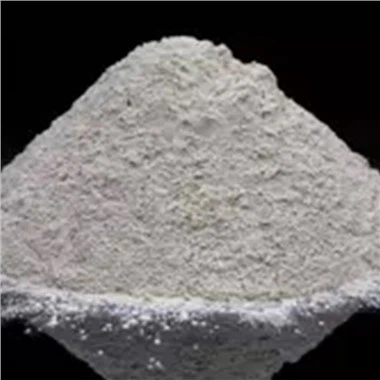
Hey there! As a supplier of CMC Carboxymethyl Cellulose, I often get asked about the purification methods for this versatile compound. So, I thought I'd share some insights on this topic.
First off, let's quickly understand what CMC Carboxymethyl Cellulose is. CMC Carboxymethyl Cellulose is a water - soluble polymer that's widely used in various industries, such as food, pharmaceuticals, and cosmetics. You can find more detailed info about it on this page: CMC Carboxymethyl Cellulose. It's also known as Sodium Carboxymethyl when it's in its sodium salt form, and you can check out more about that here: Sodium Carboxymethyl. And of course, the well - known Sodium Carboxymethyl Cellulose is a common type of CMC used in many applications.
Now, let's dive into the purification methods.
Solvent Extraction
One of the most common purification methods for CMC is solvent extraction. In this process, we use a suitable solvent to dissolve the impurities while leaving the CMC relatively intact. The choice of solvent is crucial. Usually, organic solvents like ethanol or isopropanol are used.
We start by mixing the crude CMC with the solvent. The impurities dissolve in the solvent, and then we separate the liquid (containing the dissolved impurities) from the solid CMC. This separation can be done through filtration or centrifugation. After that, we wash the CMC with fresh solvent a few times to make sure all the impurities are removed. Finally, we dry the purified CMC to get rid of any remaining solvent.
The advantage of solvent extraction is that it's relatively simple and can effectively remove a wide range of impurities. However, it has some drawbacks. For example, using organic solvents can be expensive, and there are environmental concerns associated with their disposal. Also, if the solvent is not completely removed from the CMC, it can affect the quality of the final product.
Ion Exchange Chromatography
Ion exchange chromatography is another powerful purification method. CMC has charged groups on its structure, and this property allows us to use ion exchange resins to separate it from impurities.
We first prepare an ion exchange column filled with the appropriate resin. The crude CMC solution is then passed through the column. The charged groups on the CMC interact with the resin, while the impurities that don't have the same charge characteristics pass through the column without binding. After that, we use a suitable eluent to wash the CMC off the column.
This method is great because it can provide high - purity CMC. It can separate CMC based on its charge properties, which means we can get rid of impurities that have different charges. But it also has its limitations. The process can be time - consuming, and the cost of the ion exchange resins can be high.
Ultrafiltration
Ultrafiltration is a membrane - based purification technique. We use a membrane with specific pore sizes to separate the CMC from impurities based on their molecular size.
The crude CMC solution is pumped through the ultrafiltration membrane. Smaller impurities pass through the pores of the membrane, while the larger CMC molecules are retained on the membrane side. We can adjust the pore size of the membrane according to the size of the impurities we want to remove.
Ultrafiltration is a continuous process, which means we can purify large volumes of CMC relatively quickly. It also doesn't require the use of solvents, which is environmentally friendly. However, the membrane can get fouled over time, reducing its efficiency. And we need to replace the membrane periodically, which adds to the cost.
Precipitation
Precipitation is a straightforward purification method. We add a precipitating agent to the crude CMC solution. The CMC precipitates out of the solution, while the impurities remain in the liquid phase.


Common precipitating agents include salts like sodium chloride or potassium chloride. When we add these salts to the CMC solution, the CMC molecules come together and form a precipitate. We then separate the precipitate from the liquid by filtration or centrifugation. After that, we wash the precipitate to remove any remaining impurities and dry it to get the purified CMC.
The advantage of precipitation is that it's easy to perform and doesn't require complex equipment. But it may not be very effective in removing some types of impurities, especially those that have similar precipitation properties to CMC.
Dialysis
Dialysis is a purification method that uses a semi - permeable membrane. The crude CMC solution is placed inside a dialysis bag made of the semi - permeable membrane. The bag is then immersed in a buffer solution.
Small molecules, such as salts and other low - molecular - weight impurities, can diffuse through the membrane into the buffer solution, while the larger CMC molecules are retained inside the bag. Over time, the concentration of impurities inside the bag decreases, and we get a more purified CMC solution.
Dialysis is a gentle purification method that doesn't cause much damage to the CMC structure. But it's a slow process, and it may not be suitable for large - scale purification.
Quality Control in Purification
No matter which purification method we choose, quality control is essential. We need to test the purified CMC to make sure it meets the required standards.
We usually test for parameters like purity, viscosity, degree of substitution (DS), and pH. Purity can be determined by measuring the amount of impurities in the CMC. Viscosity is an important property, especially for applications where CMC is used as a thickener or stabilizer. The degree of substitution indicates how many of the hydroxyl groups on the cellulose backbone have been substituted with carboxymethyl groups. And the pH of the CMC solution can affect its performance in different applications.
Conclusion
In conclusion, there are several purification methods for CMC Carboxymethyl Cellulose, each with its own advantages and disadvantages. As a supplier, we need to choose the most appropriate method based on the quality requirements of the final product, the cost, and the scale of production.
If you're in the market for high - quality CMC Carboxymethyl Cellulose, and you want to know more about our purification processes or have any questions regarding purchasing, feel free to reach out. We're always happy to have a chat and discuss how we can meet your specific needs.
References
- “Handbook of Water - Soluble Gums and Resins”
- Journal articles on CMC purification techniques from scientific databases.