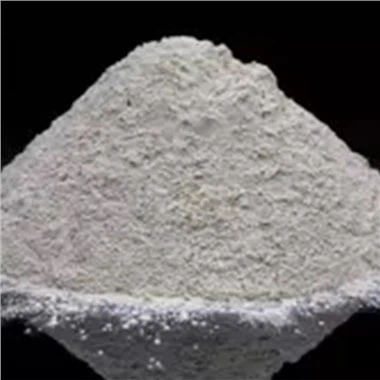
Granular Polyanionic Cellulose (PAC) is a versatile and widely used product in various industries, including oil and gas drilling, construction, and food processing. As a leading supplier of Granular Polyanionic Cellulose, I often receive inquiries about its storage duration. In this blog post, I will delve into the factors that affect the storage life of Granular Polyanionic Cellulose and provide some practical guidelines to ensure its optimal performance over time.
Understanding Granular Polyanionic Cellulose
Before discussing its storage, let's briefly understand what Granular Polyanionic Cellulose is. It is a water - soluble polymer derived from cellulose through a series of chemical modifications. Its unique properties, such as high viscosity, excellent salt tolerance, and good fluid loss control, make it an indispensable additive in many industrial applications. For instance, in oil and gas drilling, it helps to maintain the stability of drilling fluids and prevent fluid loss into the formation.
We offer two popular types of Granular Polyanionic Cellulose: Fast Dispersed Polyanionic Cellulose PAC HV and Fast Dispersed Polyanionic Cellulose PAC LV. PAC HV is known for its high - viscosity performance, which is suitable for applications requiring thickening and suspension, while PAC LV is designed for low - viscosity requirements and offers better fluidity control.
Factors Affecting the Storage Life of Granular Polyanionic Cellulose
1. Packaging
The quality and type of packaging play a crucial role in determining the storage life of Granular Polyanionic Cellulose. Our product is typically packaged in high - quality, moisture - resistant bags or drums. These packages are designed to protect the product from external factors such as moisture, oxygen, and dust. If the packaging is damaged or of poor quality, moisture can penetrate, leading to clumping and degradation of the product. For example, if the bags are torn during transportation or storage, the Granular Polyanionic Cellulose may absorb moisture from the air, causing it to lose its free - flowing property and reducing its effectiveness.
2. Storage Environment
The storage environment has a significant impact on the product's longevity. Ideal storage conditions for Granular Polyanionic Cellulose include a cool, dry, and well - ventilated place. High temperatures can accelerate the degradation process of the polymer. When stored in a hot environment, the molecular structure of the Granular Polyanionic Cellulose may be disrupted, resulting in a decrease in its viscosity and other performance properties.


Moisture is another critical factor. Excessive humidity can cause the product to absorb water, leading to the formation of lumps. These lumps are difficult to dissolve and may not provide the desired performance in applications. A relative humidity of less than 60% is recommended for long - term storage.
3. Chemical Stability
Granular Polyanionic Cellulose is a relatively stable chemical compound under normal conditions. However, it can react with certain chemicals. For example, strong acids and alkalis can cause chemical degradation of the polymer. Therefore, it should be stored away from chemicals that may react with it. If it comes into contact with incompatible chemicals, the product's performance may be severely affected, and its storage life will be significantly reduced.
General Storage Duration
Under optimal storage conditions, Granular Polyanionic Cellulose can be stored for up to 2 years. This means that if the product is stored in a cool, dry place with proper packaging, it can maintain its quality and performance for about 2 years from the date of production. However, it is important to note that this is a general guideline, and the actual storage life may vary depending on the specific factors mentioned above.
Monitoring and Inspection
To ensure the quality of the stored Granular Polyanionic Cellulose, regular monitoring and inspection are necessary. Periodically check the packaging for any signs of damage, such as tears or holes. Inspect the product for clumping or changes in color and odor. If any abnormalities are found, it is advisable to test the product's performance before using it in applications.
Tips for Prolonging Storage Life
1. Use Proper Storage Containers
If the original packaging is damaged, transfer the Granular Polyanionic Cellulose to a suitable storage container. Make sure the container is clean, dry, and airtight. Plastic containers with tight - fitting lids can be a good option.
2. Rotate Stock
Practice first - in, first - out (FIFO) inventory management. This means using the oldest stock first to ensure that the product is used within its recommended storage period.
3. Control the Storage Environment
Install dehumidifiers or air - conditioning systems in the storage area if necessary to maintain the ideal temperature and humidity levels.
Conclusion
In conclusion, the storage life of Granular Polyanionic Cellulose is influenced by multiple factors, including packaging, storage environment, and chemical stability. Under optimal conditions, it can be stored for up to 2 years. By following the tips and guidelines provided in this blog post, you can prolong the storage life of the product and ensure its consistent performance.
If you are interested in purchasing Granular Polyanionic Cellulose or have any questions about its storage and application, please feel free to contact us. We are committed to providing high - quality products and excellent customer service. Our team of experts is always ready to assist you in making the right choice for your specific needs.
References
- Handbook of Polymers for Industrial Applications
- Journal of Polymer Science: Part A: Polymer Chemistry
- Technical data sheets of Granular Polyanionic Cellulose products.