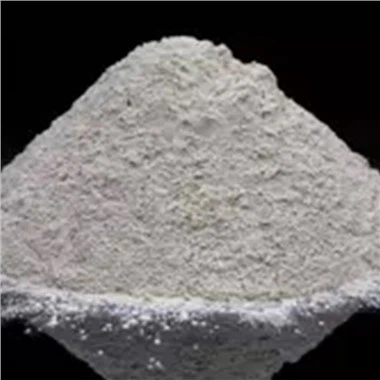
Sucralose, identified by the E - number E - 955, is a well - known artificial sweetener that has gained significant popularity in the food and beverage industry. As a supplier of Sucralose E - 955, I often receive inquiries about its suitability for various applications, one of the most common being its use in yogurt. In this blog, we will delve into the science behind Sucralose E - 955 and explore whether it can indeed be used in yogurt.
What is Sucralose E - 955?
Sucralose is a high - intensity sweetener that is approximately 400 - 800 times sweeter than sucrose (table sugar). It is a synthetic compound derived from sugar through a multi - step chemical process. The "E - 955" is its European food additive number, which indicates that it has been approved for use in food products within the European Union.
One of the key advantages of Sucralose E - 955 is its high sweetness level. This means that only a tiny amount is needed to achieve the same level of sweetness as a much larger quantity of sugar. As a result, it can be used to significantly reduce the calorie content of food products, making it an attractive option for those looking to cut down on sugar intake without sacrificing sweetness.
The Science of Sucralose in Yogurt
Yogurt is a complex food matrix that contains proteins, fats, carbohydrates, and live bacteria cultures. When considering using Sucralose E - 955 in yogurt, several factors need to be taken into account.
Taste and Flavor
Sucralose has a clean, sweet taste that closely resembles that of sugar, without the bitter aftertaste that some other artificial sweeteners may have. This makes it an ideal candidate for use in yogurt, as it can enhance the natural sweetness of the product without altering its flavor profile. In fact, many consumers find that yogurt sweetened with Sucralose tastes just as good as, if not better than, yogurt sweetened with sugar.
Chemical Stability
Sucralose is highly stable under a wide range of pH and temperature conditions. Yogurt typically has a pH range of 4 - 5, and Sucralose remains stable within this range. During the yogurt - making process, which often involves heating and cooling steps, Sucralose does not break down or lose its sweetness. This stability ensures that the yogurt maintains its desired level of sweetness throughout its shelf life.
Compatibility with Yogurt Ingredients
Sucralose E - 955 is compatible with the various ingredients found in yogurt. It does not interact with the proteins, fats, or live bacteria cultures in a negative way. For example, it does not interfere with the fermentation process carried out by the bacteria in yogurt, which is crucial for the development of its characteristic texture and flavor.
Advantages of Using Sucralose E - 955 in Yogurt
Low - Calorie Option
As mentioned earlier, Sucralose is a low - calorie sweetener. By using Sucralose E - 955 in yogurt, manufacturers can produce a low - calorie or even sugar - free version of their product. This is particularly appealing to consumers who are watching their calorie intake, such as those trying to lose weight or manage diabetes.
Extended Shelf Life
Since Sucralose is chemically stable, it can contribute to the extended shelf life of yogurt. Unlike sugar, which can promote the growth of microorganisms over time, Sucralose does not provide a food source for bacteria or fungi. This means that yogurt sweetened with Sucralose is less likely to spoil or develop off - flavors during storage.
Meeting Consumer Demand
There is a growing demand among consumers for healthier food options. By using Sucralose E - 955 in yogurt, manufacturers can meet this demand by offering a product that is lower in sugar and calories. This can give them a competitive edge in the market.
Applications and Usage Guidelines
When using Sucralose E - 955 in yogurt, it is important to follow the appropriate usage guidelines. The amount of Sucralose needed will depend on the desired level of sweetness and the specific formulation of the yogurt.
Typically, a small amount of Sucralose can be added directly to the yogurt mixture during the production process. It can be dissolved in a small amount of water first to ensure even distribution. Manufacturers should also conduct taste tests to determine the optimal amount of Sucralose for their product.
For more information on the use of Sucralose in baking and other applications, you can visit Sucralose in Baking and Sucralose For Baking. If you are interested in pharmaceutical - grade Sucralose powder, check out Pharmaceutical Sucralose Powder.
Regulatory Approval
Sucralose E - 955 has been approved for use in food products by many regulatory authorities around the world, including the U.S. Food and Drug Administration (FDA) and the European Food Safety Authority (EFSA). These approvals are based on extensive scientific research that has demonstrated the safety of Sucralose for human consumption.

Potential Concerns and Misconceptions
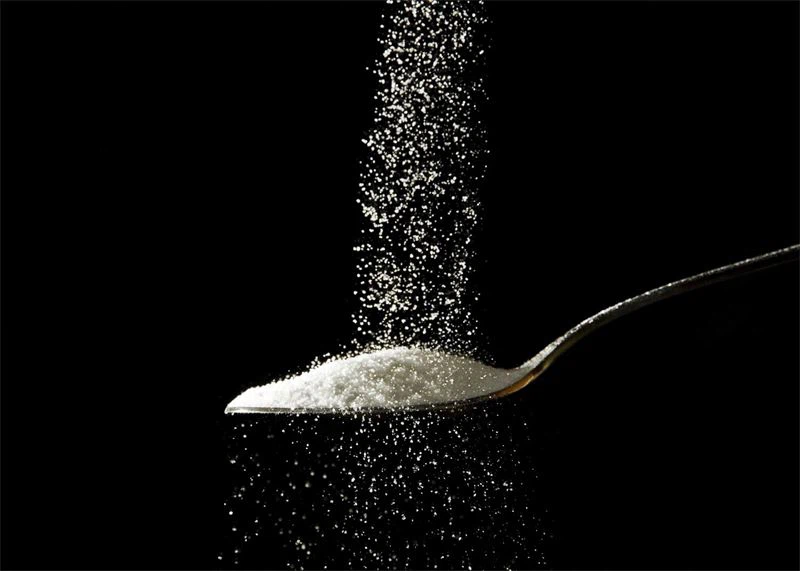
Despite its many benefits and regulatory approvals, there are some concerns and misconceptions about Sucralose. Some people worry that artificial sweeteners may have negative health effects, such as an increased risk of cancer or metabolic disorders. However, numerous scientific studies have shown that Sucralose is safe for consumption. It is not metabolized by the body in the same way as sugar, and it passes through the digestive system largely unchanged.
Conclusion
In conclusion, Sucralose E - 955 can definitely be used in yogurt. Its clean taste, chemical stability, compatibility with yogurt ingredients, and low - calorie nature make it an excellent choice for yogurt manufacturers. By using Sucralose, they can produce a high - quality, low - sugar yogurt that meets the needs and preferences of today's consumers.
If you are a yogurt manufacturer or are involved in the food industry and are interested in using our Sucralose E - 955 in your products, we invite you to reach out for a procurement discussion. We can provide you with samples, detailed product information, and technical support to help you incorporate Sucralose into your yogurt production process successfully.
References
- "Safety evaluation of sucralose and sucralose - containing products" by the European Food Safety Authority.
- "The use of high - intensity sweeteners in food products" from the Journal of Food Science.
- "Sucralose: a review of its safety and applications" in the International Journal of Food Sciences and Nutrition.