

Hey there! As a supplier of Polyanionic Cellulose PAC LV, I've been getting a lot of questions about how it interacts with salts in drilling fluids. So, I thought I'd take some time to break it down for you all.
First off, let's talk a bit about what Polyanionic Cellulose PAC LV is. It's a super important additive in drilling fluids, and it's known for its excellent properties like good viscosity - building ability, fluid - loss control, and shear - thinning behavior. You can learn more about it Polyanionic Cellulose PAC LV.
Now, when it comes to drilling fluids, salts are often present. There are different types of salts, such as sodium chloride (NaCl), calcium chloride (CaCl₂), and potassium chloride (KCl), and each can have a unique impact on how PAC LV works.
Interaction with Sodium Chloride (NaCl)
Sodium chloride is one of the most common salts in drilling fluids. When PAC LV comes into contact with NaCl, the salt ions can interact with the polymer chains of PAC LV. The negatively charged groups on the PAC LV polymer can attract the positively charged sodium ions.
This interaction can cause some changes in the physical properties of the drilling fluid. At low salt concentrations, PAC LV can still maintain its viscosity - building ability quite well. But as the concentration of NaCl increases, the salt ions can start to compress the electrical double - layer around the PAC LV molecules. This leads to a reduction in the repulsive forces between the polymer chains, causing them to come closer together.
As a result, the viscosity of the drilling fluid may decrease. However, PAC LV has a certain degree of salt tolerance. It can still provide some level of fluid - loss control even in moderately saline environments. This is crucial because in many drilling operations, saltwater - based muds are used, and PAC LV helps to keep the fluid properties within an acceptable range.
Interaction with Calcium Chloride (CaCl₂)
Calcium chloride is a divalent salt, which means each calcium ion (Ca²⁺) has a charge of +2. Compared to sodium ions, calcium ions have a stronger electrostatic interaction with the PAC LV polymer.
The divalent calcium ions can form cross - links between the PAC LV polymer chains. This cross - linking can be both a good and a bad thing. On one hand, at low CaCl₂ concentrations, the cross - linking can actually increase the viscosity of the drilling fluid. The polymer network becomes more rigid, and this can improve the suspension properties of the fluid, helping to keep the drill cuttings in suspension.
But on the other hand, if the concentration of CaCl₂ is too high, excessive cross - linking can occur. This can lead to the formation of a gel - like structure that may be too thick and difficult to pump. It can also cause problems with the fluid - loss control. The gel structure may not allow for a proper filter cake to form on the wellbore wall, resulting in higher fluid losses.
Interaction with Potassium Chloride (KCl)
Potassium chloride is often used in drilling fluids because it has some beneficial effects on shale inhibition. When PAC LV interacts with KCl, the potassium ions can also interact with the PAC LV polymer chains.
Similar to sodium ions, potassium ions can attract to the negatively charged groups on PAC LV. But KCl has a different impact compared to NaCl. Potassium ions are larger than sodium ions, and they can have a more specific interaction with the clay minerals in the drilling fluid in addition to interacting with PAC LV.
In some cases, the combination of PAC LV and KCl can provide better shale - stabilizing properties. The PAC LV helps with fluid - loss control and viscosity, while the KCl helps to prevent the swelling of shale formations. This is important because shale swelling can cause problems like wellbore instability and stuck pipe.
Impact on Fluid - Loss Control
Fluid - loss control is a critical function of PAC LV in drilling fluids. When salts are present, the fluid - loss performance of PAC LV can be affected. As we've seen, the interaction between PAC LV and salts can change the physical properties of the polymer and the drilling fluid.
In a salt - free environment, PAC LV forms a thin, impermeable filter cake on the wellbore wall. This filter cake helps to prevent the loss of the drilling fluid into the formation. But in the presence of salts, especially at high concentrations, the structure of the filter cake can be altered.
The salt ions can disrupt the formation of a uniform filter cake. For example, they can cause the PAC LV molecules to aggregate in a non - uniform way, leading to a less - effective filter cake. However, PAC LV can still contribute to fluid - loss control to some extent. Its ability to adsorb onto the wellbore surface and form a barrier helps to reduce the fluid loss, even in saline conditions.
Factors Affecting the Interaction
There are several factors that can influence how PAC LV interacts with salts. One of the main factors is the degree of substitution of the PAC LV. The degree of substitution refers to the number of negatively charged groups on the polymer chains. A higher degree of substitution generally means more sites for salt ions to interact with, which can affect the salt tolerance and the performance of PAC LV.
The molecular weight of PAC LV also plays a role. Higher - molecular - weight PAC LV polymers tend to have better viscosity - building ability, but they may be more sensitive to salt. Lower - molecular - weight PAC LV may have better salt tolerance but may not provide as high a viscosity.
The temperature is another important factor. At higher temperatures, the interaction between PAC LV and salts can be accelerated. The thermal energy can increase the mobility of the salt ions and the polymer chains, leading to more rapid changes in the properties of the drilling fluid.
Our Products and Solutions
As a supplier, we offer different grades of Polyanionic Cellulose, such as Polyanionic Cellulose PAC DHV and Polyanionic Cellulose PAC DLV, in addition to PAC LV. Each grade has its own characteristics and is suitable for different drilling conditions.
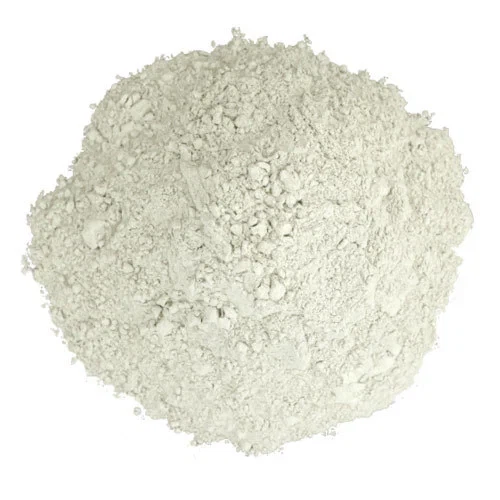

If you're dealing with a drilling operation that has high salt concentrations, we can help you choose the right grade of PAC to ensure optimal performance. We understand the importance of having a reliable drilling fluid system, and our products are designed to meet the challenges posed by salts and other factors in the drilling environment.
Conclusion
In conclusion, the interaction between Polyanionic Cellulose PAC LV and salts in drilling fluids is complex. Different salts can have different effects on the physical and chemical properties of PAC LV and the drilling fluid. While salts can pose challenges to the performance of PAC LV, it still has a certain level of salt tolerance and can provide valuable functions such as viscosity - building and fluid - loss control.
If you're in the drilling industry and are looking for high - quality PAC LV or other related products, we're here to help. Whether you need advice on product selection or want to discuss your specific drilling requirements, feel free to reach out to us for a procurement discussion. We're committed to providing you with the best solutions for your drilling operations.
References
- Smith, J. Drilling Fluid Chemistry: An Introduction. 2015.
- Johnson, R. Polymers in Drilling Fluids. 2017.
- Brown, A. Salt Effects on Drilling Fluid Additives. 2019.


