

Over the years, the technology of Oil Drilling Grade Organoclay has witnessed some pretty remarkable changes. I'm in the business of supplying this stuff, and let me tell you, it's been a wild ride watching how things have evolved.
Back in the day, the basic concept of using organoclay in oil drilling was already there, but the technology was nowhere near as refined as it is now. In the early days, the main focus was on just getting the job done. Organoclays were used to help with the viscosity and suspension properties of drilling fluids. These fluids are super important in the drilling process. They help to carry the drill cuttings to the surface, cool and lubricate the drill bit, and maintain the pressure in the wellbore to prevent blowouts.
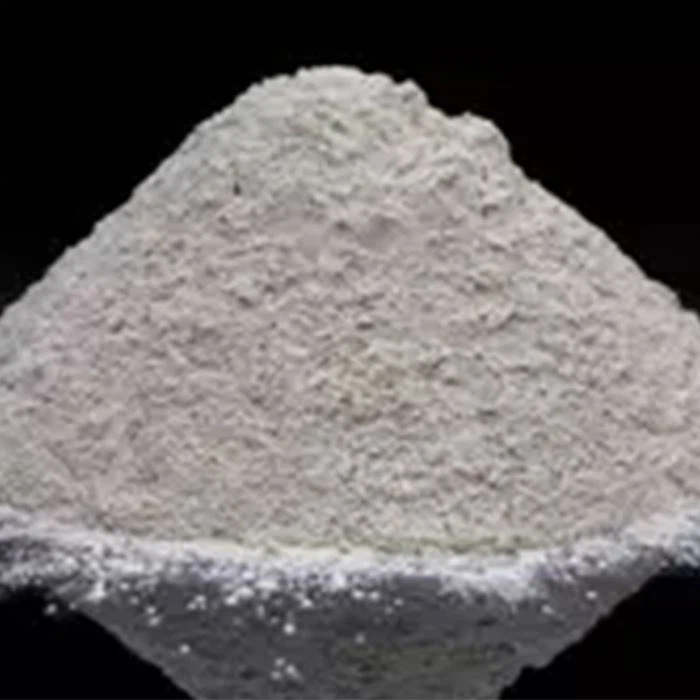

The first-generation organoclays were relatively simple. They were mainly made by treating natural clays, like bentonite, with organic compounds. This treatment made the clay more compatible with the oil-based drilling fluids. The early versions had some limitations, though. For example, they didn't always provide consistent performance in different drilling environments. The quality of the raw clays varied, and the treatment processes were not as precise as they could be. This led to issues like inconsistent viscosity control and poor suspension of drill cuttings in the fluid.
As the demand for oil increased and drilling operations moved into more challenging environments, such as deeper wells and harsh offshore conditions, there was a need for better-performing organoclays. This drove a lot of research and development in the industry. Scientists and engineers started looking at new ways to modify the clays to improve their properties.
One of the major breakthroughs was the development of Organic Bentonite with Primarily Diesel-based Drilling Fluids. Diesel-based drilling fluids have been widely used because of their good lubricating properties and stability at high temperatures. The organic bentonite used in these fluids was designed to be highly dispersible in diesel, which improved the overall performance of the drilling fluid. It could provide better viscosity control over a wider range of temperatures and pressures, ensuring that the fluid could effectively carry the drill cuttings even in the toughest conditions.
Another significant advancement was the Modified Bentonite with Oil Based Drilling. By modifying the surface properties of the bentonite, it became more compatible with different types of oil-based fluids. This meant that the drilling fluid could be customized for specific drilling operations. For example, in some areas where the formation was more prone to swelling, a modified bentonite could be used to reduce the interaction between the fluid and the formation, preventing problems like wellbore instability.
With the growing concern for the environment, the industry also started to focus on developing organoclays for synthetic-oil base fluids. Synthetic oils are often considered more environmentally friendly than traditional diesel or mineral oils. Organoclay with Synthetic-oil Base Fluids had to be designed to meet the unique requirements of these fluids. These organoclays had to be able to provide good rheological properties in synthetic oils, which have different chemical and physical properties compared to traditional oils. The development of these organoclays has allowed drilling operations to be more sustainable while still maintaining high levels of performance.
In recent years, nanotechnology has also started to play a role in the evolution of Oil Drilling Grade Organoclay technology. By incorporating nanoparticles into the organoclay structure, it's possible to further enhance the properties of the drilling fluid. Nanoparticles can improve the thermal stability, mechanical strength, and lubrication properties of the fluid. For example, some studies have shown that adding nanoparticles to the organoclay can reduce the friction between the drill bit and the formation, leading to faster drilling rates and less wear on the equipment.
The manufacturing processes for organoclays have also become more advanced. Nowadays, we use sophisticated equipment and quality control systems to ensure that the organoclays we produce meet the highest standards. Computer-controlled mixing and processing techniques allow for more precise control over the composition and properties of the organoclay. This means that we can consistently produce high-quality products that perform well in a variety of drilling applications.
Looking forward, I think the technology of Oil Drilling Grade Organoclay will continue to evolve. As the oil and gas industry explores even more challenging environments, such as ultra-deepwater and high-pressure, high-temperature wells, there will be a need for organoclays with even better performance. We might see more developments in the use of smart materials, where the organoclay can respond to changes in the drilling environment, such as temperature, pressure, or the presence of certain chemicals.
If you're in the oil drilling business and are looking for high-quality Oil Drilling Grade Organoclay, I'd love to have a chat with you. We've got a wide range of products that can meet the needs of different drilling operations. Whether it's for diesel-based, oil-based, or synthetic-oil base fluids, we've got you covered. Contact us to discuss your requirements and see how we can help you improve your drilling performance.
References
- Various industry research papers on organoclay development in oil drilling
- Technical reports from leading clay manufacturers





