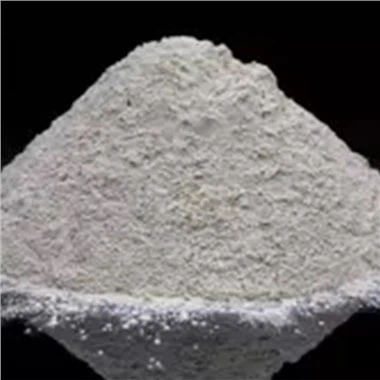
Hey there, sweet tooth friends! I'm a supplier of sucralose, and today, I'm diving deep into the age - old question: How does sucralose compare to aspartame? Both are artificial sweeteners that have taken the low - calorie and sugar - free market by storm, but they've got their own unique quirks.
Let's start with a bit of background. Aspartame hit the scene in the 1980s and quickly became a household name. It's made up of two amino acids, phenylalanine and aspartic acid, and a methyl ester group. On the other hand, sucralose was discovered in the 1970s but didn't gain widespread popularity until later. It's created from sugar through a multi - step process that replaces three hydrogen - oxygen groups on the sugar molecule with chlorine atoms. This small change makes a big difference in how our bodies react to it.
Taste
When it comes to taste, taste is king, right? Aspartame is about 180 - 220 times sweeter than sugar. It has a pretty clean sweet taste, but some people complain that it can leave a bit of a bitter aftertaste, especially when it's used in high concentrations or in certain food and beverage combinations.
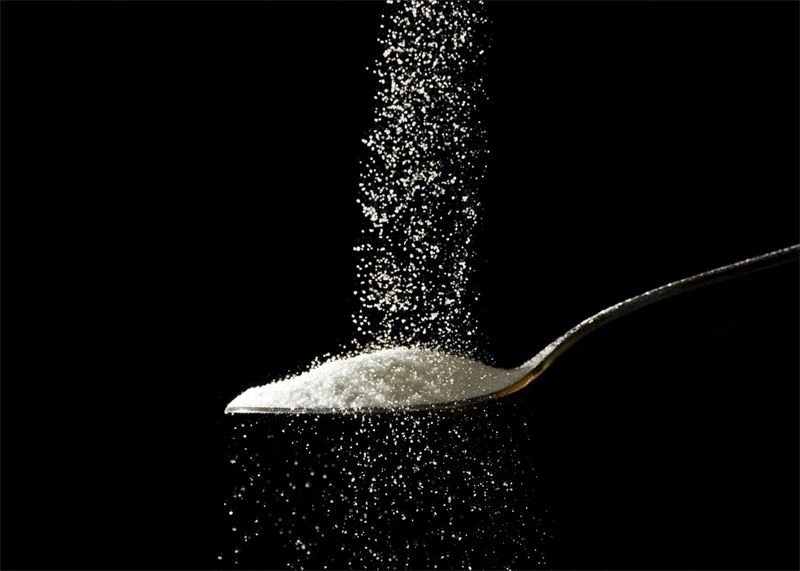
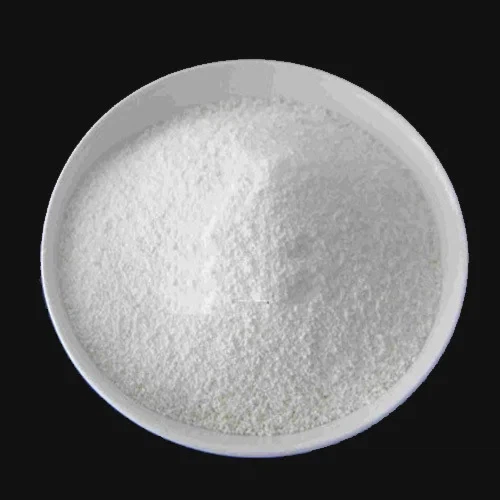
Sucralose, however, is about 400 - 800 times sweeter than sugar. The cool thing about sucralose is that it tastes very similar to sugar. In fact, many people can't tell the difference between the sweetness of sucralose and real sugar. There's usually no bitter aftertaste, which makes it a favorite for those who are picky about their sweeteners. Whether you're making a cup of coffee or a batch of cookies, sucralose gives that pure, sugar - like sweetness. Check out more about using sucralose in baking here: Sucralose in Baking and Sucralose For Baking.
Safety
Safety is always a hot topic when it comes to artificial sweeteners. Aspartame has been the subject of a lot of controversy over the years. Some studies have linked it to various health issues, including headaches, dizziness, and even potential long - term neurological problems. However, major health organizations like the FDA (Food and Drug Administration) in the United States and the EFSA (European Food Safety Authority) have deemed it safe for consumption within the recommended daily limits.
Sucralose, on the other hand, has a pretty solid safety record. Multiple studies have shown that it doesn't have any negative effects on blood sugar, insulin levels, or weight gain. It passes through the body largely unchanged and is excreted in the urine. This makes it a great option for diabetics. Learn more about the safety of sucralose for diabetics here: Sucralose Safe for Diabetics. The FDA and other health authorities around the world have also approved sucralose for use in a wide range of food and beverage products.
Stability
Stability matters, especially when it comes to cooking and baking. Aspartame breaks down when exposed to high temperatures. This means that it's not the best choice for recipes that involve baking or cooking at high heat. If you use aspartame in a cake, for example, it might lose its sweetness during the baking process.
Sucralose, on the contrary, is extremely stable under high temperatures. It can withstand the heat of baking, frying, and other cooking methods without losing its sweetness. This makes it a go - to sweetener for all kinds of recipes. You can use it to make everything from cookies to pies, and it'll keep that sweet flavor intact.
Cost and Availability
Cost is often a deciding factor for manufacturers and consumers alike. Aspartame has been around for a long time, and it's relatively inexpensive to produce. It's widely available in many sugar - free products, from diet sodas to sugar - free chewing gums.
Sucralose, while becoming more and more popular, can be a bit more expensive. But the good news is that because it's so much sweeter than sugar, you need less of it. So, in the long run, the cost difference might not be as significant as it seems. And with its growing demand, it's becoming more readily available in grocery stores and online.
Health Benefits
Let's talk about the health side of things. Aspartame, as mentioned earlier, is low - calorie. It can help people reduce their sugar intake, which is great for those watching their weight or managing diabetes. However, because of the controversy surrounding it, some people are hesitant to use it.
Sucralose offers similar low - calorie benefits. It allows you to enjoy sweet foods and drinks without the extra calories from sugar. For diabetics, it's a godsend because it doesn't affect blood sugar levels. And since it has no bitter aftertaste, it can encourage people to cut down on their sugar consumption without sacrificing taste.
Consumer Preference
Consumer preference plays a huge role in the market. Some people have been using aspartame for years and are loyal to it. They're used to the taste and trust it based on their long - term experience. But as more people become aware of the potential issues with aspartame and learn about the benefits of sucralose, the tide is starting to turn.
Sucralose is gaining more and more fans, especially among those who are health - conscious and love to cook and bake. Its sugar - like taste, safety, and stability make it an attractive option for a wide range of consumers.
In conclusion, while both sucralose and aspartame are artificial sweeteners that can help you cut down on sugar, sucralose has some clear advantages. Its taste, safety, stability, and health benefits make it a great choice for many people. If you're a manufacturer looking for a high - quality sweetener or a consumer wanting to make healthier choices, I'd highly recommend giving sucralose a try.
If you're interested in purchasing sucralose for your business or personal use, feel free to reach out for a procurement discussion. I'm here to answer all your questions and help you find the best sucralose solution for your needs.
References
- "Aspartame: A Safety Evaluation Based on Current Use Levels, Regulations, and Toxicological and Epidemiological Studies." FDA.
- "Sucralose: Safety and Metabolism." EFSA.
- Various studies on taste perception and consumer preference for artificial sweeteners published in peer - reviewed journals.