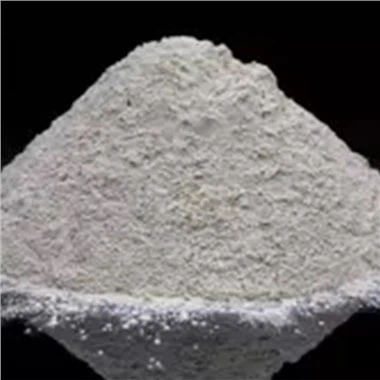
Diffusion properties play a crucial role in understanding the behavior and applications of CMC Cellulose. As a dedicated CMC Cellulose supplier, I have witnessed firsthand the diverse and impactful diffusion characteristics of this remarkable material. In this blog post, I will delve into the intricacies of CMC Cellulose diffusion properties, exploring their significance in various industries and applications.
Understanding CMC Cellulose
Before we explore the diffusion properties, let's briefly understand what CMC Cellulose is. Carboxymethyl cellulose (CMC) is a water-soluble derivative of cellulose, which is the most abundant polymer on Earth. It is produced by the chemical modification of cellulose, where carboxymethyl groups are introduced into the cellulose structure. This modification imparts unique properties to CMC, making it a versatile material with a wide range of applications.
Diffusion Mechanisms of CMC Cellulose
Diffusion is the process by which molecules move from an area of higher concentration to an area of lower concentration. In the case of CMC Cellulose, diffusion occurs through several mechanisms, including Brownian motion, concentration gradients, and interactions with the surrounding medium.
Brownian Motion
Brownian motion is the random movement of particles in a fluid due to collisions with the molecules of the fluid. In a CMC solution, the CMC molecules are in constant motion, colliding with each other and with the solvent molecules. This random motion causes the CMC molecules to spread out and diffuse throughout the solution.
Concentration Gradients
Concentration gradients play a significant role in the diffusion of CMC Cellulose. When there is a difference in the concentration of CMC between two regions, the CMC molecules will move from the region of higher concentration to the region of lower concentration until the concentration is uniform throughout the solution. This process is driven by the tendency of the system to reach a state of equilibrium.
Interactions with the Surrounding Medium
The diffusion of CMC Cellulose is also influenced by its interactions with the surrounding medium. CMC is a hydrophilic polymer, which means it has an affinity for water. In an aqueous solution, the CMC molecules form hydrogen bonds with the water molecules, which can affect their mobility and diffusion rate. Additionally, the presence of other solutes or additives in the solution can also interact with the CMC molecules and alter their diffusion properties.
Factors Affecting the Diffusion Properties of CMC Cellulose
Several factors can affect the diffusion properties of CMC Cellulose, including molecular weight, degree of substitution, temperature, and the presence of other solutes.
Molecular Weight
The molecular weight of CMC Cellulose has a significant impact on its diffusion properties. Generally, higher molecular weight CMC molecules have a lower diffusion rate compared to lower molecular weight CMC molecules. This is because larger molecules have a greater hydrodynamic volume and experience more resistance to movement through the solution.
Degree of Substitution
The degree of substitution (DS) of CMC refers to the average number of carboxymethyl groups per anhydroglucose unit in the cellulose chain. A higher DS results in a more hydrophilic CMC molecule, which can increase its solubility and diffusion rate in water. However, a very high DS can also lead to increased viscosity, which can impede diffusion.
Temperature
Temperature has a profound effect on the diffusion properties of CMC Cellulose. As the temperature increases, the kinetic energy of the CMC molecules and the solvent molecules also increases, leading to more rapid Brownian motion and a higher diffusion rate. However, at very high temperatures, the CMC molecules may undergo degradation, which can affect their diffusion properties.
Presence of Other Solutes
The presence of other solutes in the solution can also affect the diffusion properties of CMC Cellulose. For example, the addition of salts or other polymers can alter the ionic strength and viscosity of the solution, which can in turn affect the mobility and diffusion rate of the CMC molecules.
Applications of CMC Cellulose Diffusion Properties
The unique diffusion properties of CMC Cellulose make it a valuable material in a wide range of applications, including food, pharmaceuticals, cosmetics, and oilfield drilling.
Food Industry
In the food industry, CMC Cellulose is widely used as a thickener, stabilizer, and emulsifier. Its diffusion properties play a crucial role in controlling the texture and stability of food products. For example, in salad dressings and sauces, CMC helps to prevent the separation of oil and water phases by forming a network structure that inhibits the diffusion of oil droplets. Food Grade Powder CMC and Food Grade Granular CMC are commonly used in food applications due to their excellent solubility and diffusion properties.


Pharmaceutical Industry
In the pharmaceutical industry, CMC Cellulose is used as a binder, disintegrant, and controlled-release agent in tablets and capsules. Its diffusion properties are important for ensuring the proper release of drugs from the dosage form. For example, in controlled-release tablets, CMC can be used to form a matrix that controls the diffusion of the drug out of the tablet, allowing for a sustained and controlled release of the drug over time.
Cosmetics Industry
In the cosmetics industry, CMC Cellulose is used as a thickener, stabilizer, and moisturizer in various products, such as creams, lotions, and shampoos. Its diffusion properties help to improve the texture and stability of these products, as well as to enhance the delivery of active ingredients to the skin or hair.
Oilfield Drilling Industry
In the oilfield drilling industry, CMC Cellulose is used as a viscosifier and fluid loss control agent in drilling fluids. Its diffusion properties are important for maintaining the stability and viscosity of the drilling fluid, as well as for preventing the loss of fluid into the formation.
Conclusion
In conclusion, the diffusion properties of CMC Cellulose are complex and influenced by several factors, including molecular weight, degree of substitution, temperature, and the presence of other solutes. These properties play a crucial role in determining the behavior and applications of CMC Cellulose in various industries. As a CMC Cellulose supplier, I am committed to providing high-quality products with consistent diffusion properties to meet the diverse needs of our customers.
If you are interested in learning more about our Carboxymethyl Cellulose Sodium products or have any questions about their diffusion properties, please do not hesitate to contact us. We look forward to discussing your specific requirements and exploring potential partnerships.
References
- "Carboxymethyl Cellulose: Properties, Preparation, and Applications" by X. Zhang et al.
- "Diffusion in Polymers" by J. Crank.
- "Food Hydrocolloids: Structures, Properties and Functions" by G. O. Phillips and P. A. Williams.