Hey there! As a supplier of food grade sucralose liquid, I often get asked how it stacks up against isomalt. So, let's dive right in and break down the differences and similarities between these two sweeteners.
What are Sucralose Liquid and Isomalt?
First off, let's quickly introduce what we're talking about. Food grade sucralose liquid is a super - sweet artificial sweetener. It's made from sugar through a chemical process that changes its structure, making it way sweeter than regular sugar. In fact, it can be up to 600 times sweeter! This means you only need a tiny bit to get the same level of sweetness as a whole bunch of sugar.
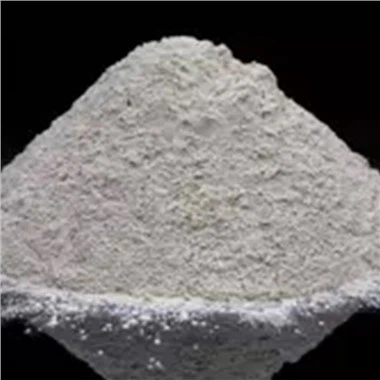
On the other hand, isomalt is a sugar alcohol. It's derived from beet sugar and has a similar taste and texture to regular sugar. It's not as sweet as sucralose, but it's still a popular choice for those looking for a lower - calorie alternative to sugar.
Taste Comparison
When it comes to taste, that's where things get interesting. Sucralose liquid has a clean, sweet taste that closely mimics the taste of sugar. There's very little to no aftertaste, which is a huge plus. This makes it a great choice for a wide range of applications, from beverages to baked goods.
Isomalt, on the other hand, has a more sugar - like taste and texture. It gives a similar mouthfeel to sugar, which can be really appealing in products like hard candies and chocolates. However, some people might detect a slight cooling effect when they consume isomalt, which is a characteristic of many sugar alcohols.
Sweetness and Usage
As I mentioned earlier, sucralose is incredibly sweet. Because of its high sweetness level, you only need a small amount. This is a major advantage in terms of cost - effectiveness. For example, if you're making a large batch of soda, a few drops of food grade sucralose liquid can sweeten the whole thing. You can check out Pharmaceutical Sucralose Liquid if you're interested in its other applications.
Isomalt, being less sweet, requires a larger quantity to achieve the same level of sweetness as sugar. But this can also be an advantage in some cases. In baking, for instance, using isomalt can provide the bulk and structure that you'd get from sugar. If you're into baking, you might want to look at Sucralose For Baking to see how sucralose can fit into your recipes.
Health Considerations
Now, let's talk about health. Sucralose is a zero - calorie sweetener. It doesn't raise blood sugar levels, which makes it a great option for people with diabetes or those trying to manage their weight. It's also been approved by various health organizations around the world, including the FDA.
Isomalt, while it does have calories, has a lower glycemic index compared to regular sugar. This means it causes a slower and smaller rise in blood sugar levels. However, like other sugar alcohols, consuming large amounts of isomalt can cause some digestive issues, such as bloating and diarrhea.
Stability and Shelf Life
Food grade sucralose liquid is very stable. It can withstand a wide range of temperatures and pH levels, which makes it suitable for different food and beverage processing methods. It also has a long shelf life, so you don't have to worry about it going bad quickly.
Isomalt is also quite stable, especially in dry conditions. It's resistant to heat, which is why it's often used in high - temperature applications like candy making. But it can absorb moisture from the air, which might affect its quality over time if not stored properly.
Cost
Cost is always a factor in the food industry. Sucralose, despite its high initial cost per unit, can be more cost - effective in the long run because you use so little of it. You can get a lot of sweetness from a small amount of sucralose liquid, which can save you money on sweeteners in large - scale production.
Isomalt, being less sweet and requiring more quantity, might end up being more expensive if you're looking to achieve a high level of sweetness. However, in some applications where its unique properties are needed, the cost might be justified.
Applications
Sucralose liquid has a wide range of applications. It's commonly used in soft drinks, energy drinks, and diet products. It can also be used in baked goods, but you might need to adjust the recipe a bit because it doesn't provide the same bulk as sugar. Check out Granulated Sucralose if you're interested in a different form of sucralose for your products.
Isomalt is popular in the confectionery industry. It's used to make hard candies, lollipops, and chocolates. Its ability to form a clear, hard shell makes it ideal for these types of products. It's also used in some sugar - free chewing gums.

Which One Should You Choose?
So, which one is better? Well, it really depends on your specific needs. If you're looking for a zero - calorie sweetener with high sweetness and long - term stability, food grade sucralose liquid is a great choice. It's versatile and can be used in many different products.
If you need a sugar substitute that provides bulk and has a more sugar - like texture, especially for high - temperature applications like candy making, isomalt might be the way to go.
Contact for Purchase and Discussion
If you're interested in learning more about our food grade sucralose liquid or have any questions about how it compares to isomalt in your specific application, feel free to reach out. We're always happy to have a chat and help you find the best sweetening solution for your products. Whether you're a small - scale baker or a large - scale food manufacturer, we can provide you with the information and samples you need.
References
- "Sweeteners: Technology and Applications" by T. H. Grenby
- Various research papers on sucralose and isomalt published in the Journal of Food Science and Technology.