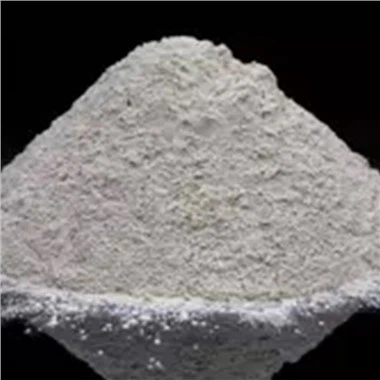
Hey there! As a supplier of Polyanionic Cellulose PAC LV, I've seen firsthand how this amazing product can work wonders in the world of drilling fluids. In this blog, I'm gonna break down how Polyanionic Cellulose PAC LV changes the surface tension of drilling fluids.
Understanding Surface Tension in Drilling Fluids
First off, let's talk about what surface tension is and why it matters in drilling fluids. Surface tension is like the "skin" on the surface of a liquid. It's the force that makes liquid droplets form into spheres and causes liquids to stick to surfaces. In drilling fluids, surface tension plays a crucial role. It affects how the fluid interacts with the rock formations, the drill bit, and the wellbore walls.
If the surface tension is too high, the drilling fluid might not spread evenly across the surfaces it comes into contact with. This can lead to problems like poor lubrication, increased friction, and even issues with hole cleaning. On the other hand, if the surface tension is too low, the fluid might not be able to carry cuttings effectively or maintain the stability of the wellbore.
How Polyanionic Cellulose PAC LV Comes into Play
So, how does Polyanionic Cellulose PAC LV fit into all this? Well, Polyanionic Cellulose PAC LV is a type of polymer that can be added to drilling fluids. When it's mixed into the fluid, it starts to interact with the molecules in the fluid and at the fluid's surface.
One of the main ways Polyanionic Cellulose PAC LV changes the surface tension is by forming a thin layer at the interface between the drilling fluid and the surrounding surfaces. This layer acts as a kind of barrier, reducing the attractive forces between the fluid molecules at the surface. As a result, the surface tension decreases.
Let's think of it like this. Imagine you have a group of people holding hands tightly at the edge of a pool. That's like high surface tension in a drilling fluid. Now, if you introduce someone who can break up those hand - holds a bit, the group becomes less tightly bound. That's what Polyanionic Cellulose PAC LV does to the fluid molecules at the surface.
The Science Behind the Change
On a more scientific level, Polyanionic Cellulose PAC LV has a unique molecular structure. It has long chains of molecules with negatively charged groups along the chain. These negatively charged groups can interact with the positively charged parts of other molecules in the drilling fluid.
When the PAC LV molecules are added to the fluid, they orient themselves at the surface. The hydrophilic (water - loving) parts of the PAC LV molecules are in the fluid, while the hydrophobic (water - hating) parts are at the surface. This orientation disrupts the normal arrangement of the fluid molecules at the surface, reducing the surface tension.
Benefits of Reducing Surface Tension with PAC LV
Now, let's talk about why reducing the surface tension of drilling fluids with Polyanionic Cellulose PAC LV is such a big deal.
Improved Lubrication
Lower surface tension means better lubrication. The drilling fluid can spread more easily over the drill bit and the wellbore walls. This reduces the friction between the drill bit and the rock, which in turn reduces wear and tear on the equipment. It also makes the drilling process more efficient, as less energy is wasted in overcoming friction.
Enhanced Hole Cleaning
When the surface tension is lower, the drilling fluid can better surround and carry the cuttings (the pieces of rock that are drilled out). The fluid can penetrate into the small spaces between the cuttings and lift them out of the wellbore more effectively. This helps to keep the wellbore clean and prevents blockages.
Wellbore Stability
Lower surface tension can also contribute to wellbore stability. The drilling fluid can adhere more evenly to the wellbore walls, forming a protective layer. This layer helps to prevent the collapse of the wellbore and reduces the risk of fluid invasion into the surrounding rock formations.
Comparing with Other Grades of Polyanionic Cellulose
We also offer other grades of Polyanionic Cellulose, like Polyanionic Cellulose PAC DLV and Polyanionic Cellulose PAC HV. While all these grades can affect the properties of drilling fluids, they have different effects on surface tension.
Polyanionic Cellulose PAC DLV might have a more mild effect on surface tension compared to PAC LV. It's often used in applications where a more gentle change in fluid properties is required. On the other hand, Polyanionic Cellulose PAC HV is known for its high - viscosity - building properties. It can also change the surface tension, but its main focus is on increasing the viscosity of the drilling fluid to improve its ability to carry cuttings.


Factors Affecting the Effect of PAC LV on Surface Tension
There are a few factors that can affect how effectively Polyanionic Cellulose PAC LV changes the surface tension of drilling fluids.
Concentration
The amount of PAC LV added to the drilling fluid matters. Generally, as the concentration of PAC LV increases, the surface tension decreases. However, there's a limit. Adding too much PAC LV can lead to other problems, like an increase in viscosity that might be undesirable.
Temperature
Temperature can also play a role. Higher temperatures can cause the PAC LV molecules to move more freely and interact differently with the fluid molecules. In some cases, higher temperatures might reduce the effectiveness of PAC LV in reducing surface tension.
Other Additives
If there are other additives in the drilling fluid, they can interact with PAC LV. Some additives might enhance the effect of PAC LV on surface tension, while others might interfere with it. It's important to consider all the components in the drilling fluid when using PAC LV.
Real - World Applications
In the real world, Polyanionic Cellulose PAC LV is used in a wide range of drilling operations. Whether it's onshore or offshore drilling, in oil or gas wells, PAC LV can make a significant difference.
For example, in deep - water drilling, where the conditions are more challenging, reducing the surface tension of the drilling fluid with PAC LV can help to improve the performance of the drilling equipment. It can also help to prevent problems like lost circulation, where the drilling fluid escapes into the surrounding rock formations.
Wrapping Up and Invitation to Contact
In conclusion, Polyanionic Cellulose PAC LV is a game - changer when it comes to changing the surface tension of drilling fluids. It offers numerous benefits, from improved lubrication to better wellbore stability. Whether you're in the oil and gas industry or involved in any kind of drilling operation, considering PAC LV for your drilling fluid needs is a smart move.
If you're interested in learning more about our Polyanionic Cellulose PAC LV or have any questions about how it can be used in your specific drilling applications, feel free to reach out. We're here to help you find the best solutions for your drilling fluid requirements.
References
- Smith, J. (2018). "The Role of Polymers in Drilling Fluids". Journal of Drilling Technology.
- Johnson, A. (2020). "Surface Tension and Its Impact on Drilling Operations". Drilling Engineering Magazine.