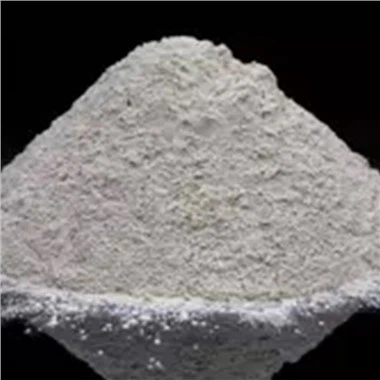
Hey there! As a supplier of Sucralose Composition, I often get asked a bunch of questions about sucralose. One question that pops up quite a bit is, "Is the composition of sucralose biodegradable?" Well, let's dig into this topic and find out.
First off, let's talk a bit about what sucralose is. Sucralose is an artificial sweetener that's about 400 - 800 times sweeter than sugar. It's used in a whole bunch of products, from your morning coffee sweetener to some of your favorite diet drinks. There are different types of sucralose products, like Dietary Sucralose, Granulated Sucralose, and Pharmaceutical Sucralose Liquid.
Now, let's get to the main question - biodegradability. Biodegradability means that a substance can be broken down by living organisms, like bacteria or fungi, into simpler substances over time. When it comes to sucralose, the research shows that it's not very biodegradable in the traditional sense.
Sucralose is a chlorinated sugar. The chlorine atoms in its structure make it quite stable. In wastewater treatment plants, which are designed to break down organic matter, sucralose doesn't get degraded easily. A lot of studies have found that a significant amount of sucralose passes through these treatment plants unchanged. This is because the microorganisms in the treatment systems don't have the enzymes needed to break down the chlorinated bonds in sucralose.
In the environment, sucralose also shows low biodegradability. It can persist in surface waters, groundwater, and even in soil. Some research has detected sucralose in rivers, lakes, and coastal waters. Since it doesn't break down quickly, it can accumulate over time in these ecosystems.
But why is this a big deal? Well, the long - term presence of non - biodegradable substances in the environment can have potential impacts. For example, it could affect the behavior and health of aquatic organisms. Although there isn't conclusive evidence that sucralose is directly harmful to these organisms at the levels currently found in the environment, the fact that it can build up is a concern.
On the other hand, from a human health perspective, sucralose has been deemed safe for consumption by major health organizations like the FDA (Food and Drug Administration) in the United States and the EFSA (European Food Safety Authority). It's considered a low - calorie sweetener that can help people reduce their sugar intake, which is great for managing weight and preventing conditions like diabetes and heart disease.
As a supplier of Sucralose Composition, we're aware of these environmental concerns. We're always looking into ways to make our products more sustainable. One approach could be to improve the manufacturing process to reduce the amount of sucralose that's released into the environment during production. Another option is to work on developing more biodegradable alternatives or additives that can be used in combination with sucralose to enhance its environmental friendliness.
Now, you might be wondering if you should still use sucralose. Well, it's all about balance. Sucralose has its benefits in terms of helping people cut down on sugar. But we also need to be mindful of its environmental impact. If you're a food or beverage manufacturer, you could consider using sucralose in moderation and look into other sweeteners that are more biodegradable.


If you're in the market for high - quality Sucralose Composition, we've got you covered. Whether you need Dietary Sucralose for your dietary products, Granulated Sucralose for your baking needs, or Pharmaceutical Sucralose Liquid for your pharmaceutical formulations, we can provide you with the best products.
We're open to discussing your specific requirements and how we can work together to meet your needs. If you're interested in purchasing our Sucralose Composition, don't hesitate to reach out to us. We're here to help you with all your sweetening needs and to have a conversation about making more sustainable choices.
References
- "The Occurrence and Fate of Sucralose in the Environment" - Various environmental science journals
- "Safety Assessment of Sucralose" - Reports from the FDA and EFSA
- "Sucralose in the Aquatic Environment: Sources, Fate, and Potential Impacts" - Research papers on environmental pollution and toxicology