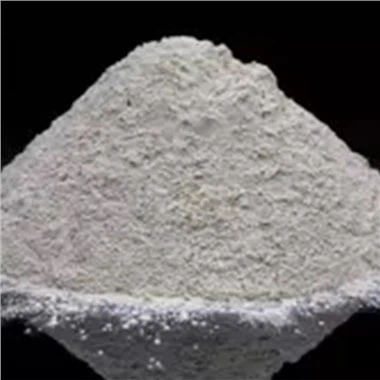
As a supplier of Food Sucralose Powder, I often receive inquiries from clients in the food industry about the suitability of our product for various applications. One question that comes up frequently is whether food sucralose powder can be used in chocolate. In this blog post, I'll explore this topic in detail, examining the properties of sucralose, the requirements of chocolate production, and the potential benefits and challenges of using sucralose in chocolate.
Understanding Sucralose
Sucralose is an artificial sweetener that is derived from sugar. It is approximately 400 - 800 times sweeter than sucrose (table sugar), which means that only a very small amount is needed to achieve the same level of sweetness. Sucralose has several advantages that make it an attractive option for food manufacturers:
- Low - calorie: Sucralose provides sweetness without adding significant calories, making it a popular choice for low - calorie and sugar - free products.
- High stability: It is stable under a wide range of conditions, including high temperatures and different pH levels. This stability allows it to be used in various food processing methods.
- Good taste profile: Sucralose has a clean, sweet taste that closely resembles that of sugar, with minimal aftertaste.
There are different forms of sucralose available, such as Dietary Sucralose, Pharmaceutical Sucralose Liquid, and Granulated Sucralose. For chocolate production, the granulated form of food sucralose powder is often the most convenient and suitable option.


Chocolate Production Requirements
Chocolate is a complex product that consists mainly of cocoa solids, cocoa butter, and sugar. The quality and characteristics of chocolate are influenced by several factors, including the ratio of these ingredients, the processing methods, and the addition of other flavorings or ingredients.
- Sweetness: Sugar is a key component in chocolate, providing not only sweetness but also contributing to the texture and mouthfeel. The right level of sweetness is crucial to balance the bitterness of cocoa and create an appealing taste.
- Texture: Sugar affects the crystallization of cocoa butter and the overall texture of chocolate. It helps to prevent the chocolate from becoming too hard or too soft and gives it a smooth, creamy consistency.
- Maillard reaction: During the roasting and processing of chocolate, sugar participates in the Maillard reaction, which contributes to the development of the characteristic flavor and color of chocolate.
Using Sucralose in Chocolate
Benefits
- Low - calorie chocolate: One of the most significant advantages of using sucralose in chocolate is the ability to produce low - calorie or sugar - free chocolate. This is especially appealing to consumers who are looking for healthier alternatives to traditional chocolate products, such as those with diabetes or those trying to manage their weight.
- Consistent sweetness: Since sucralose is much sweeter than sugar, a small and precise amount can be used to achieve a consistent level of sweetness in every batch of chocolate. This can help to maintain product quality and reduce the variability that may occur when using sugar.
- Stability: Sucralose's high stability makes it suitable for the high - temperature processes involved in chocolate production, such as melting, tempering, and molding. It can withstand these conditions without losing its sweetness or degrading.
Challenges
- Texture adjustment: As mentioned earlier, sugar plays an important role in the texture of chocolate. Since sucralose does not have the same physical properties as sugar, it may be necessary to adjust the formulation of the chocolate to achieve the desired texture. This may involve the use of other ingredients, such as maltitol, erythritol, or other bulking agents, to mimic the volume and texture - enhancing properties of sugar.
- Maillard reaction: Sucralose does not participate in the Maillard reaction like sugar does. This means that the flavor and color development of chocolate made with sucralose may be different from traditional chocolate. To compensate for this, additional flavorings or colorants may need to be added to achieve a similar taste and appearance.
- Consumer acceptance: Some consumers may be accustomed to the taste and texture of traditional chocolate made with sugar. Introducing sucralose - sweetened chocolate may require some education and marketing efforts to convince consumers that it is a viable and enjoyable alternative.
Formulation Considerations
When formulating chocolate with sucralose, several factors need to be taken into account:
- Sucralose dosage: Due to its high sweetness, only a very small amount of sucralose is needed. It is important to accurately measure the amount of sucralose to avoid over - sweetening the chocolate.
- Bulking agents: As mentioned, bulking agents are often used in combination with sucralose to mimic the volume and texture of sugar. The choice of bulking agent will depend on the desired texture and properties of the chocolate. For example, maltitol can provide a similar sweetness and texture to sugar, while erythritol has a cooling effect and is low in calories.
- Flavor enhancers: To compensate for the lack of Maillard reaction and to enhance the flavor of the chocolate, flavor enhancers such as vanilla, caramel, or other natural flavors can be added.
Quality Control
Ensuring the quality of chocolate made with sucralose is essential. Quality control measures should include:
- Taste testing: Regular taste testing should be conducted to ensure that the chocolate has the desired level of sweetness, flavor, and texture.
- Texture analysis: The texture of the chocolate can be analyzed using techniques such as rheology to ensure that it meets the required standards.
- Microbial testing: Since chocolate is a food product, it is important to conduct microbial testing to ensure its safety and shelf - life.
Conclusion
In conclusion, food sucralose powder can be used in chocolate production, offering the potential to create low - calorie and sugar - free chocolate products. However, it also presents some challenges, particularly in terms of texture adjustment and flavor development. By carefully considering the formulation, using appropriate bulking agents and flavor enhancers, and implementing strict quality control measures, it is possible to produce high - quality chocolate with sucralose.
If you are interested in exploring the use of our Food Sucralose Powder in your chocolate products, I encourage you to contact us for more information and to discuss potential collaboration. We are committed to providing high - quality sucralose products and technical support to help you create innovative and delicious chocolate offerings.
References
- Afoakwa, E. O., Paterson, A., Fowler, M., & Ryan, A. L. (2008). Influence of sugar type on the physical properties of chocolate. Journal of Food Engineering, 89(3), 290 - 297.
- Bhandari, B. R., & Hartel, R. W. (1998). Sugar and sugar substitutes. In Handbook of Food Science, Technology, and Engineering (Vol. 1, pp. 1 - 22). CRC Press.
- Gibson, G. R., & Roberfroid, M. B. (1995). Dietary modulation of the human colonic microbiota: introducing the concept of prebiotics. Journal of Nutrition, 125(6), 1401 - 1412.