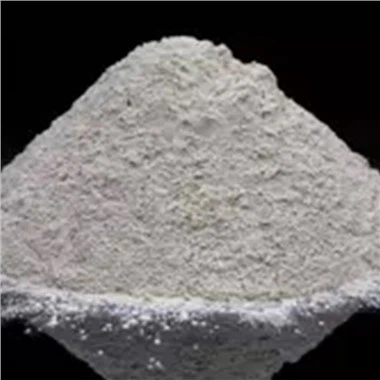
Hey there! I'm a supplier of CMC Carboxymethyl Cellulose, and today I wanna chat about the environmental impacts of its production. CMC is a widely used cellulose derivative with various applications, from food to pharmaceuticals and beyond. But like any industrial process, its production has some effects on the environment. Let's dive in and take a closer look.
Raw Material Sourcing
The first step in CMC production is sourcing the raw materials. Usually, CMC is made from cellulose, which can come from wood pulp, cotton linters, or other plant-based sources. The environmental impact here starts with deforestation if the wood pulp is sourced irresponsibly. Cutting down large areas of forests not only destroys habitats for countless species but also reduces the planet's carbon sinks. Trees absorb carbon dioxide, a major greenhouse gas, and when they're cut down, that carbon is released back into the atmosphere.
However, if sustainable forestry practices are in place, the impact can be minimized. Sustainable forestry means replanting trees at a rate that matches or exceeds the rate of harvesting. This way, the forest ecosystem can be maintained, and the carbon cycle can keep functioning properly. Some suppliers, including us, are committed to using raw materials from certified sustainable sources. This ensures that the cellulose we use comes from forests that are managed in an environmentally friendly way.
Chemical Processes
Once the cellulose is obtained, it goes through a series of chemical processes to turn it into CMC. These processes typically involve the use of chemicals like sodium hydroxide and monochloroacetic acid. The production and handling of these chemicals can have environmental impacts.


Sodium hydroxide is a caustic substance. If it's not properly managed during production, it can leak into water bodies, causing a significant increase in the pH of the water. This can harm aquatic life, as many species are sensitive to changes in water chemistry. Similarly, monochloroacetic acid is toxic and can pose risks to human health and the environment if released.
To mitigate these risks, modern CMC production facilities are equipped with advanced waste treatment systems. These systems are designed to neutralize and treat the chemical waste before it's discharged. Additionally, companies are constantly looking for ways to reduce the amount of chemicals used in the production process. For example, some are exploring alternative reaction conditions or catalysts that can achieve the same results with less chemical input.
Energy Consumption
CMC production is an energy-intensive process. The various steps, such as heating, mixing, and drying, require a significant amount of energy. Most of this energy comes from fossil fuels, which are a major contributor to greenhouse gas emissions. Burning fossil fuels releases carbon dioxide, methane, and other pollutants into the atmosphere, contributing to climate change.
To address this issue, many CMC producers are investing in energy-efficient technologies. For instance, some facilities are using heat recovery systems to capture and reuse the heat generated during the production process. This reduces the overall energy demand and, in turn, the greenhouse gas emissions. Additionally, there's a growing trend towards using renewable energy sources, such as solar or wind power, to meet the energy needs of the production facilities.
Waste Generation
Another environmental concern in CMC production is waste generation. The production process generates various types of waste, including solid waste and wastewater. The solid waste can include by-products from the chemical reactions and unused raw materials. If not properly disposed of, this waste can take up valuable landfill space and potentially release harmful substances into the environment.
Wastewater from CMC production contains chemicals and other contaminants. If discharged untreated, it can pollute water sources, affecting the quality of drinking water and harming aquatic ecosystems. To deal with this, companies are implementing waste management strategies. Solid waste is often recycled or reused whenever possible. For example, some of the by-products can be used as raw materials in other industries. Wastewater is treated in specialized treatment plants to remove the contaminants before it's released back into the environment.
Product Applications and End-of-Life
The environmental impact of CMC doesn't end with its production. Its applications and end-of-life also matter. In the food industry, CMC is used as a thickener, stabilizer, and emulsifier. Food Grade Granular CMC and Food Grade Powder CMC are commonly used in products like ice cream, salad dressings, and baked goods. Since CMC is generally considered safe for human consumption, its presence in food products doesn't pose a direct environmental threat.
However, when it comes to the end-of-life of products containing CMC, the situation is a bit more complex. If these products are disposed of in landfills, the CMC may break down slowly, contributing to the overall waste volume. On the other hand, in some cases, CMC can be biodegradable, especially under the right conditions. This means that if it's released into the environment in a natural setting, it can be broken down by microorganisms over time.
In the pharmaceutical and personal care industries, Sodium Carboxymethyl Cellulose is used in products like eye drops, toothpaste, and lotions. Similar to its use in food, its presence in these products is generally safe. But again, proper disposal is important to minimize any potential environmental impact.
Our Commitment to the Environment
As a CMC supplier, we're well aware of the environmental impacts of our production process. That's why we're committed to taking steps to reduce our environmental footprint. We source our raw materials from sustainable suppliers, implement advanced waste treatment and energy-efficient technologies, and continuously look for ways to improve our production processes.
We believe that by being environmentally responsible, we can not only protect the planet but also provide high-quality products to our customers. If you're in the market for CMC and are concerned about the environmental impact, we'd love to have a chat with you. Whether you need Food Grade Granular CMC, Food Grade Powder CMC, or Sodium Carboxymethyl Cellulose, we can provide you with products that meet your needs while also being kind to the environment. So, if you're interested in learning more or discussing your procurement requirements, don't hesitate to reach out.
References
- Smith, J. (2020). Environmental Impacts of Chemical Production Processes. Journal of Environmental Science.
- Johnson, A. (2019). Sustainable Sourcing in the Cellulose Industry. Forestry Review.
- Brown, C. (2021). Energy Efficiency in Industrial Manufacturing. Energy Journal.