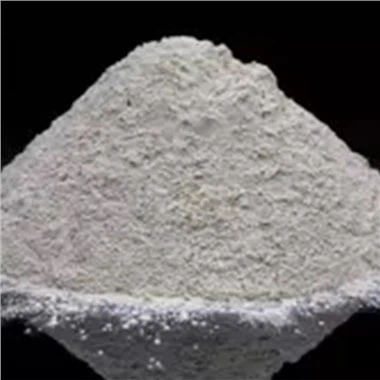
Does food sucralose powder cause weight gain? That's a question I get asked a lot as a supplier of Food Sucralose Powder. And it's a hot - button topic in the world of nutrition and health. So, let's dig into this and see what the science says.
First off, what is sucralose? Sucralose, also known as Sucralose E955 [/sucralose/sucralose-e-955.html], is an artificial sweetener. It's made from sugar, but it's about 400 - 800 times sweeter. That means you can use a tiny amount of it to get the same level of sweetness as a whole bunch of sugar. And here's the kicker: it has almost zero calories.
Calories are what matter when it comes to weight gain. If you take in more calories than your body burns, you're going to gain weight. Since sucralose has hardly any calories, in theory, it shouldn't cause weight gain. For example, if you're used to having a can of regular soda with around 150 calories from sugar and you switch to a diet soda sweetened with sucralose, which has close to zero calories, you're cutting out a significant number of calories from your daily intake.

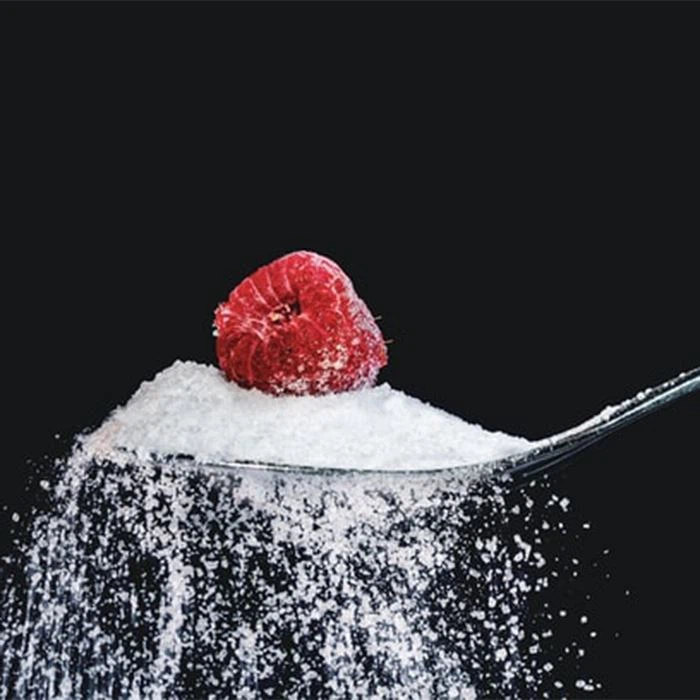
But some people still think that sucralose might cause weight gain. One of the main reasons for this belief is the idea that artificial sweeteners can mess with your body's natural ability to regulate calorie intake. The thinking goes like this: when you eat something sweet, your body expects calories. With sucralose, you get the sweet taste without the calories. This might confuse your body, making it think it's getting more energy than it actually is. As a result, your body could end up making you hungrier and causing you to eat more overall.
However, the scientific evidence on this is mixed. A bunch of studies have been done to look at the relationship between sucralose and weight gain. Some studies have shown that there's no link between using sucralose and gaining weight. In fact, they've found that people who use sucralose as a sugar substitute tend to consume fewer calories overall and may even lose weight.
On the other hand, there are some animal studies that suggest sucralose could have an impact on the gut microbiome. The gut microbiome is like a little ecosystem in your gut, made up of trillions of bacteria. These bacteria play a big role in digestion, metabolism, and even your immune system. Some research has found that sucralose might change the balance of bacteria in the gut, which could potentially lead to weight gain. But it's important to note that these are mostly animal studies, and it's not always clear if the same effects would happen in humans.
Another factor to consider is that people who use sucralose might have different eating habits in general. For example, someone who is trying to lose weight might start using sucralose - sweetened products. But they might also be more likely to over - compensate by eating other high - calorie foods. So, it could seem like the sucralose is causing weight gain when it's really just part of a larger pattern of unhealthy eating.
Now, let's talk about the different forms of sucralose. Besides the powder form that I supply, there's also Food Grade Sucralose Liquid [/sucralose/food - grade - sucralose - liquid.html]. The liquid form can be really convenient for some applications, like in beverages. It mixes easily and can be dosed accurately. And then there's Pharmaceutical Sucralose Powder [/sucralose/pharmaceutical - sucralose - powder.html], which is used in the pharmaceutical industry, often to sweeten medications.
As a supplier, I've seen firsthand how sucralose is used in a wide range of products. From diet drinks to low - calorie desserts, it's a popular choice for manufacturers who want to offer a sweet product without all the calories. And for consumers, it can be a great way to satisfy a sweet tooth without packing on the pounds.
But here's the bottom line: based on the current scientific evidence, there's no solid proof that food sucralose powder causes weight gain. It's a low - calorie sweetener that can be a useful tool for people looking to manage their weight. Of course, everyone's body is different, and some people might have individual reactions to sucralose. If you're concerned about how it might affect you, it's always a good idea to talk to a healthcare professional.
If you're a food manufacturer or in the pharmaceutical industry and you're interested in using our high - quality Food Sucralose Powder, we'd love to have a chat with you. Whether you need a small sample to test out or a large - scale supply for your production line, we're here to help. Just reach out, and we can start discussing your specific needs.
References
- Mattes, R. D., & Popkin, B. M. (2009). Nonnutritive sweetener consumption in humans: effects on appetite and food intake and their putative mechanisms. American Journal of Clinical Nutrition, 89(1), 1–14.
- Suez, J., Korem, T., Zeevi, D., Zilberman - Schapira, G., Thaiss, C. A., Maza, O., ... & Elinav, E. (2014). Artificial sweeteners induce glucose intolerance by altering the gut microbiota. Nature, 514(7521), 181 - 186.
- Swithers, S. E., & Davidson, T. L. (2008). A role for sweet taste: calorie predictive relations in energy regulation by rats. Behavioral neuroscience, 122(1), 161.