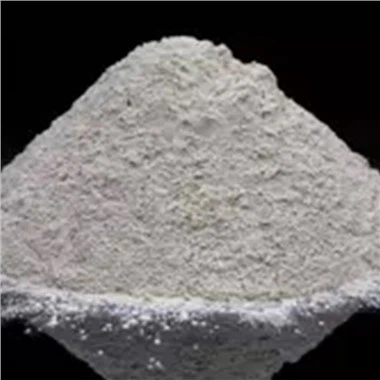
Hey there! As a CMC Cellulose supplier, I've seen firsthand how important it is to prevent the degradation of this amazing product. CMC Cellulose, or Carboxymethyl Cellulose, is a widely used cellulose derivative with a range of applications, from food and pharmaceuticals to personal care products. But like any other substance, it can degrade over time, which can affect its performance and quality. In this blog post, I'll share some tips on how to prevent the degradation of CMC Cellulose.


Understanding CMC Cellulose Degradation
Before we dive into the prevention methods, let's first understand what causes CMC Cellulose to degrade. There are several factors that can contribute to its degradation, including:
- Temperature: High temperatures can accelerate the degradation of CMC Cellulose. When exposed to heat, the chemical bonds in CMC Cellulose can break, leading to a decrease in its viscosity and stability.
- pH: CMC Cellulose is sensitive to pH changes. In acidic or alkaline environments, the carboxymethyl groups in CMC Cellulose can react with other substances, causing it to degrade.
- Moisture: Moisture can also cause CMC Cellulose to degrade. When CMC Cellulose absorbs moisture, it can swell and become more susceptible to microbial growth, which can further degrade the product.
- Light: Exposure to light, especially ultraviolet (UV) light, can cause CMC Cellulose to degrade. UV light can break the chemical bonds in CMC Cellulose, leading to a decrease in its molecular weight and viscosity.
Tips for Preventing CMC Cellulose Degradation
1. Store CMC Cellulose Properly
One of the most important steps in preventing CMC Cellulose degradation is to store it properly. Here are some storage tips:
- Keep it in a cool, dry place: Store CMC Cellulose in a cool, dry place away from direct sunlight and heat sources. A temperature range of 20-25°C (68-77°F) is ideal.
- Seal the container tightly: Make sure the container is tightly sealed to prevent moisture and air from entering. This will help maintain the stability of CMC Cellulose.
- Use airtight packaging: If possible, use airtight packaging to store CMC Cellulose. This will provide an extra layer of protection against moisture and oxygen.
2. Control the pH
As mentioned earlier, CMC Cellulose is sensitive to pH changes. To prevent degradation, it's important to control the pH of the solution or product in which CMC Cellulose is used. Here are some tips:
- Check the pH regularly: Use a pH meter to check the pH of the solution or product regularly. This will help you detect any pH changes early and take appropriate measures.
- Adjust the pH if necessary: If the pH is too acidic or alkaline, adjust it to the appropriate range. For most applications, a pH range of 6-8 is ideal.
- Use pH buffers: pH buffers can help maintain the pH of the solution or product within a specific range. Consider using pH buffers when using CMC Cellulose in applications where pH stability is critical.
3. Minimize Exposure to Moisture
Moisture is one of the main causes of CMC Cellulose degradation. To minimize exposure to moisture, follow these tips:
- Use desiccants: Desiccants are substances that absorb moisture from the air. Place desiccants in the storage container or packaging to keep the environment dry.
- Avoid humid environments: Store CMC Cellulose in a low-humidity environment. If possible, use a dehumidifier to control the humidity in the storage area.
- Handle CMC Cellulose carefully: When handling CMC Cellulose, make sure your hands are dry. Avoid exposing CMC Cellulose to water or other liquids.
4. Protect from Light
Exposure to light, especially UV light, can cause CMC Cellulose to degrade. To protect CMC Cellulose from light, follow these tips:
- Store in opaque containers: Use opaque containers to store CMC Cellulose. This will block out light and prevent UV damage.
- Keep away from windows: Avoid storing CMC Cellulose near windows or other sources of direct sunlight.
- Use UV stabilizers: If CMC Cellulose is used in applications where it will be exposed to light, consider using UV stabilizers. UV stabilizers can help protect CMC Cellulose from UV damage.
5. Use High-Quality CMC Cellulose
The quality of CMC Cellulose can also affect its degradation rate. To prevent degradation, it's important to use high-quality CMC Cellulose from a reputable supplier. Here are some tips:
- Choose a reliable supplier: Look for a supplier that has a good reputation for providing high-quality CMC Cellulose. Check customer reviews and testimonials to ensure the supplier is trustworthy.
- Check the specifications: Before purchasing CMC Cellulose, check the specifications to make sure it meets your requirements. Look for CMC Cellulose with a high degree of substitution (DS) and a low viscosity.
- Test the product: If possible, test the CMC Cellulose before using it in your application. This will help you ensure that it meets your quality standards and performs as expected.
Applications of CMC Cellulose
CMC Cellulose has a wide range of applications in various industries. Here are some common applications:
- Food Industry: CMC Cellulose is used as a thickener, stabilizer, and emulsifier in the food industry. It can be found in products such as sauces, dressings, ice cream, and baked goods. Check out Food Grade Powder CMC for more information.
- Pharmaceutical Industry: CMC Cellulose is used as a binder, disintegrant, and thickener in the pharmaceutical industry. It can be found in tablets, capsules, and suspensions.
- Personal Care Industry: CMC Cellulose is used as a thickener, stabilizer, and emulsifier in the personal care industry. It can be found in products such as lotions, creams, and shampoos.
- Oil and Gas Industry: CMC Cellulose is used as a drilling fluid additive in the oil and gas industry. It can help improve the viscosity and stability of the drilling fluid.
Conclusion
Preventing the degradation of CMC Cellulose is essential to ensure its performance and quality. By following the tips outlined in this blog post, you can minimize the risk of degradation and extend the shelf life of CMC Cellulose. Remember to store CMC Cellulose properly, control the pH, minimize exposure to moisture and light, use high-quality CMC Cellulose, and test the product before use.
If you're interested in purchasing CMC Cellulose or have any questions about preventing its degradation, feel free to contact us for a procurement discussion. We're here to help you find the right CMC Cellulose product for your needs.
References
- Davidson, R. L. (1980). Handbook of Water-Soluble Gums and Resins. McGraw-Hill.
- Whistler, R. L., & BeMiller, J. N. (1993). Industrial Gums: Polysaccharides and Their Derivatives. Academic Press.
- Rowell, R. M., & Young, R. A. (1986). Cellulosic Polymers, Blends, and Composites. VCH Publishers.