

Can Polyanionic Cellulose PAC LV be used in the pharmaceutical industry?
In the vast landscape of industrial materials, polyanionic cellulose (PAC) has emerged as a versatile and valuable compound. As a supplier of Polyanionic Cellulose PAC LV, I've witnessed firsthand its widespread use in various sectors, particularly in the oil - drilling industry. However, a question that often arises is whether PAC LV can find a place in the pharmaceutical industry. In this blog post, we'll explore the properties of PAC LV, compare it with related products like Polyanionic Cellulose PAC DHV and Polyanionic Cellulose PAC DLV, and evaluate its potential applications in the pharmaceutical field.
Understanding Polyanionic Cellulose PAC LV
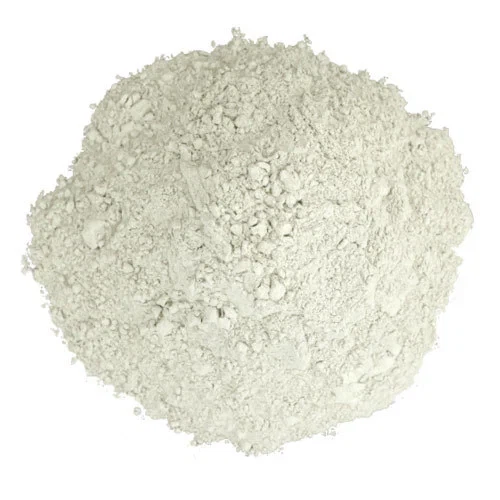
Polyanionic Cellulose PAC LV is a water - soluble polymer derived from cellulose. It is modified through a series of chemical reactions to introduce anionic groups, which give it unique properties. PAC LV is known for its low viscosity, which makes it suitable for applications where a thinner consistency is required. In the oil - drilling industry, it is used as a fluid - loss control agent and a viscosifier in drilling muds. Its ability to form a thin, stable film on the wellbore wall helps prevent the loss of drilling fluids into the formation, thus maintaining the efficiency of the drilling process.
Properties of PAC LV Relevant to the Pharmaceutical Industry
1. Biocompatibility
One of the most crucial factors for any material used in the pharmaceutical industry is biocompatibility. Cellulose - based polymers like PAC LV are generally considered biocompatible. Cellulose is a natural polymer that is widely present in the plant kingdom, and its derivatives have a long history of use in various biomedical applications. PAC LV, with its modified structure, has shown good tolerance in biological systems. It can be metabolized by the body to some extent, and it does not typically cause significant immune reactions or toxicity, which are essential requirements for pharmaceutical excipients.
2. Solubility
PAC LV is highly soluble in water, which is a significant advantage in the pharmaceutical industry. Many pharmaceutical formulations, such as oral solutions, suspensions, and injectables, require water - soluble excipients. The solubility of PAC LV allows it to be easily incorporated into these formulations, enabling uniform distribution of the active pharmaceutical ingredient (API) and facilitating the manufacturing process.
3. Thickening and Stabilizing Properties
Although PAC LV has a relatively low viscosity compared to some other PAC grades like Polyanionic Cellulose PAC DHV, it still has the ability to thicken and stabilize pharmaceutical formulations. In liquid formulations, it can prevent sedimentation of particles, improve the physical stability of emulsions, and control the release rate of the API. For example, in oral suspensions, PAC LV can be used to keep the drug particles uniformly dispersed, ensuring that each dose contains the correct amount of the API.
4. Film - forming Ability
The film - forming ability of PAC LV can be exploited in the pharmaceutical industry for various purposes. It can be used to coat tablets, capsules, or other solid dosage forms. The thin film formed by PAC LV can protect the API from environmental factors such as moisture, oxygen, and light. It can also control the release of the drug, either by providing a delayed - release or an extended - release mechanism.
Potential Applications in the Pharmaceutical Industry
1. Oral Formulations
In oral solutions and suspensions, PAC LV can be used as a thickening and stabilizing agent. It can improve the口感 (oops, let's correct that - palatability) of the formulation by giving it a more pleasant texture. For example, in pediatric medications, where the taste and texture are crucial for patient compliance, PAC LV can be used to create a smooth - flowing suspension that is easy to swallow. In tablets and capsules, PAC LV can be used as a binder, disintegrant, or coating material. As a binder, it helps hold the tablet together during the compression process. As a disintegrant, it can swell in the presence of water, causing the tablet to break apart and release the API. And as a coating material, it can protect the tablet from degradation and control the drug release.
2. Topical Formulations
In topical creams, lotions, and gels, PAC LV can be used as a thickening agent and an emollient. It can improve the consistency of the formulation, making it easier to apply and spread on the skin. The film - forming ability of PAC LV can also create a protective barrier on the skin, preventing moisture loss and protecting the skin from external irritants.

3. Injectable Formulations
Although the use of PAC LV in injectable formulations is more challenging due to the strict requirements for sterility and safety, it still has potential applications. It can be used as a viscosity - modifying agent in some injectable solutions to control the flow rate and prevent the rapid diffusion of the API. However, extensive pre - clinical and clinical studies are required to ensure its safety and efficacy in this context.
Comparison with Other PAC Grades
When considering the use of PAC in the pharmaceutical industry, it's important to compare PAC LV with other grades such as Polyanionic Cellulose PAC DHV and Polyanionic Cellulose PAC DLV. PAC DHV has a higher viscosity than PAC LV, which makes it more suitable for applications where a thicker consistency is needed, such as in some high - viscosity gels or thick coatings. On the other hand, PAC DLV may have different properties in terms of solubility and reactivity, depending on its specific chemical modification.
In the pharmaceutical industry, the choice between these grades depends on the specific requirements of the formulation. For example, if a thin - film coating is required, PAC LV may be the better choice due to its lower viscosity. If a highly viscous gel is needed, PAC DHV may be more appropriate.
Challenges and Considerations
1. Regulatory Approval
The pharmaceutical industry is highly regulated, and any new excipient or material used in pharmaceutical formulations must undergo rigorous regulatory approval processes. Although PAC LV has a relatively good safety profile, it still needs to meet the standards set by regulatory authorities such as the Food and Drug Administration (FDA) in the United States and the European Medicines Agency (EMA) in Europe. This requires extensive pre - clinical and clinical studies to demonstrate its safety, efficacy, and quality.
2. Quality Control
To ensure the consistent performance of PAC LV in pharmaceutical formulations, strict quality control measures are necessary. The manufacturing process of PAC LV needs to be carefully controlled to ensure that the product meets the required specifications in terms of chemical composition, molecular weight, viscosity, and other properties. Any variation in these properties can affect the performance of the pharmaceutical formulation.
3. Compatibility with APIs
PAC LV needs to be compatible with the API used in the pharmaceutical formulation. Some APIs may interact with PAC LV, either chemically or physically, which can affect the stability and efficacy of the drug. Therefore, compatibility studies need to be conducted to ensure that the combination of PAC LV and the API is stable and effective.
Conclusion
In conclusion, Polyanionic Cellulose PAC LV has significant potential for use in the pharmaceutical industry. Its biocompatibility, solubility, thickening and stabilizing properties, and film - forming ability make it a promising candidate for various pharmaceutical applications, including oral, topical, and injectable formulations. However, there are still challenges to overcome, such as regulatory approval, quality control, and compatibility with APIs.
As a supplier of Polyanionic Cellulose PAC LV, I am committed to working with pharmaceutical companies to explore the full potential of this material. If you are interested in learning more about PAC LV and its potential applications in your pharmaceutical products, I encourage you to reach out for further discussion and potential procurement. We can work together to conduct the necessary studies and develop high - quality pharmaceutical formulations using PAC LV.
References
- "Cellulose Derivatives in Drug Delivery Systems" - A review article in a pharmaceutical journal.
- "Biocompatibility of Polymers in Biomedical Applications" - A research paper on polymer biocompatibility.
- "Viscosity - modifying Agents in Pharmaceutical Formulations" - A study on the use of viscosity - modifying agents in drugs.





