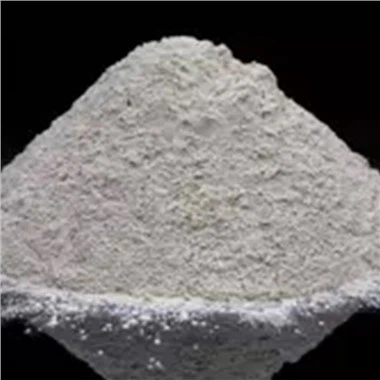
Hey there, fellow drilling enthusiasts! I'm a supplier of Polyanionic Cellulose PAC DLV, and today I wanna chat about how this amazing product performs in deep - well drilling.
What's Polyanionic Cellulose PAC DLV?
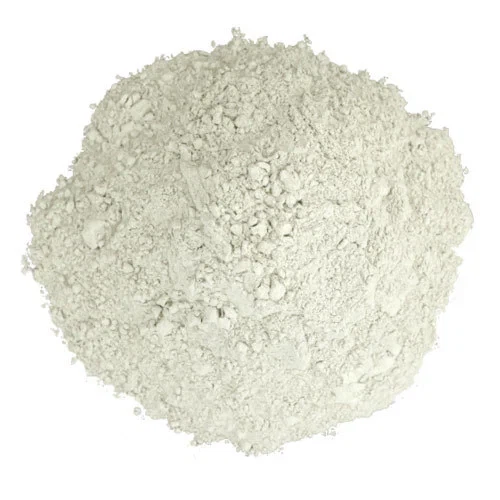
First off, let's get a basic understanding of what Polyanionic Cellulose PAC DLV is. It's a type of cellulose derivative that's widely used in the oil and gas industry, especially in drilling operations. Compared to other types like Polyanionic Cellulose PAC DHV and Polyanionic Cellulose PAC HV, PAC DLV has its own unique properties.
PAC DLV is a low - viscosity version. It's made through a special chemical modification process of cellulose. This gives it some great features that are super useful in deep - well drilling.
Key Performance in Deep - Well Drilling
Filtration Control
One of the most important jobs in deep - well drilling is to control the filtration of the drilling fluid. When we drill deep wells, the pressure and temperature conditions are way different from shallow wells. The high pressure can force the drilling fluid to seep into the formation, which can cause all sorts of problems like wellbore instability and formation damage.
PAC DLV is a champ at filtration control. It forms a thin, tough filter cake on the wellbore wall. This filter cake acts as a barrier, preventing the fluid from leaking into the formation. In deep - well conditions, where the pressure can be extremely high, the filter cake formed by PAC DLV remains stable. It doesn't break down easily, which means it can keep doing its job of reducing fluid loss for a long time.
Viscosity and Rheology
In deep - well drilling, the viscosity and rheology of the drilling fluid are crucial. The drilling fluid needs to have the right viscosity to carry the cuttings up to the surface. If the viscosity is too low, the cuttings will settle at the bottom of the well, which can lead to problems like bit balling and stuck pipe.
PAC DLV can be adjusted to provide the right viscosity. It has a good thickening effect, but since it's a low - viscosity type, it can also be fine - tuned easily. In deep - well environments with high temperatures, the viscosity of the drilling fluid can change rapidly. PAC DLV has good thermal stability. It can maintain its rheological properties even at high temperatures, ensuring that the drilling fluid can still carry the cuttings effectively.
Wellbore Stability
Deep - well drilling often encounters complex geological formations. These formations can be prone to collapsing or swelling, which can cause major headaches for the drilling operation. PAC DLV helps to improve wellbore stability.
It can interact with the clay particles in the formation. By adsorbing onto the clay surfaces, it reduces the swelling of the clay. This is really important because when clay swells, it can cause the wellbore diameter to change, which can lead to stuck pipe and other serious issues. PAC DLV keeps the wellbore in good shape, allowing the drilling process to go smoothly.
Compatibility
Another great thing about PAC DLV is its compatibility with other additives in the drilling fluid. In deep - well drilling, we usually use a bunch of different additives to meet various requirements. PAC DLV can work well with other polymers, salts, and weighting agents.
This compatibility means that we can formulate a drilling fluid system that's tailored to the specific conditions of the deep well. We can add other additives to enhance different properties, and PAC DLV will still function properly without causing any negative interactions.

Field Case Studies
Let me share a couple of field case studies to show you how PAC DLV really performs in real - world deep - well drilling.
In a deep - well project in a remote area, the well was drilled to a depth of over 5000 meters. The formation had high - pressure zones and contained a lot of reactive clay. The drilling team initially used a different drilling fluid system, but they were facing serious problems with fluid loss and wellbore instability.
When they switched to a drilling fluid system with PAC DLV, the situation improved significantly. The fluid loss was reduced by more than 50%. The wellbore remained stable throughout the drilling process, and the cuttings were carried to the surface smoothly. This not only saved a lot of time and money but also increased the safety of the operation.
In another case, a deep - well project in a high - temperature environment was having issues with the viscosity of the drilling fluid. The high temperature was causing the viscosity to drop, and the cuttings were not being carried properly. After adding PAC DLV to the drilling fluid, the viscosity became more stable. The drilling fluid was able to maintain its ability to carry cuttings, and the drilling speed increased.
Why Choose Our PAC DLV?
As a supplier, I can tell you that our PAC DLV has some advantages over other products on the market.
First of all, we have strict quality control. Every batch of PAC DLV is tested thoroughly to make sure it meets the highest standards. This means you can trust the performance of our product in your deep - well drilling operations.
Secondly, we offer great technical support. Our team of experts can help you formulate the right drilling fluid system based on your specific well conditions. Whether you're dealing with high - pressure zones, high - temperature formations, or reactive clays, we can provide you with the best solutions.
Finally, we have a reliable supply chain. We understand that in the drilling industry, time is money. We can ensure that you get your PAC DLV on time, so you don't have to worry about any delays in your project.
Conclusion
In conclusion, Polyanionic Cellulose PAC DLV is a top - notch product for deep - well drilling. Its performance in filtration control, viscosity and rheology, wellbore stability, and compatibility makes it an essential part of any deep - well drilling fluid system.
If you're involved in deep - well drilling and are looking for a high - quality PAC DLV product, don't hesitate to get in touch. We're here to help you achieve the best results in your drilling projects. Whether you have questions about product performance, formulation, or anything else, feel free to reach out. Let's work together to make your deep - well drilling operations more efficient and successful.
References
- Smith, J. (2018). "Advances in Drilling Fluid Additives for Deep - Well Drilling". Journal of Petroleum Technology.
- Johnson, R. (2019). "The Role of Polymers in Wellbore Stability in Deep - Well Drilling". International Journal of Drilling Engineering.
- Brown, A. (2020). "Thermal Stability of Drilling Fluid Additives in High - Temperature Deep - Well Environments". Drilling and Completion Magazine.