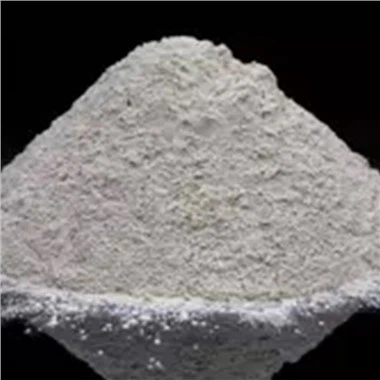
Offshore oil drilling is a highly complex and challenging operation that demands a wide range of specialized equipment and materials. Among these, Oil Drilling Grade Organoclay plays a crucial role. As a leading supplier of Oil Drilling Grade Organoclay, I've witnessed firsthand the unique requirements that offshore oil drilling places on this essential product. In this blog, I'll delve into these special requirements and explain how our products meet them.
Extreme Environmental Conditions
One of the most significant differences between onshore and offshore oil drilling is the environment. Offshore drilling platforms are exposed to harsh weather conditions, including high winds, heavy waves, and extreme temperatures. These conditions can have a profound impact on the performance of Oil Drilling Grade Organoclay.
Temperature Resistance
Offshore drilling operations often encounter a wide range of temperatures, from the cold waters of the ocean surface to the high temperatures deep underground. Our Oil Drilling Grade Organoclay is formulated to maintain its viscosity and stability across this broad temperature spectrum. This ensures that the drilling fluid remains effective in all stages of the drilling process, whether it's circulating near the surface or at great depths. For example, in deep - sea drilling where bottom - hole temperatures can exceed 150°C, our organoclay can still provide the necessary rheological properties to support efficient drilling.
Saltwater Compatibility
The seawater environment in offshore drilling contains a high concentration of salts. These salts can interact with the drilling fluid and cause changes in its properties. Our organoclay is designed to be highly compatible with saltwater. It resists the flocculation and precipitation that can occur when exposed to high - salt environments, ensuring that the drilling fluid maintains its integrity and performance. This is crucial for preventing wellbore instability and ensuring the smooth operation of the drilling process.
High - Pressure Conditions
Offshore oil wells are often drilled to great depths, which means they are subject to extremely high pressures. The hydrostatic pressure at these depths can reach thousands of pounds per square inch. Oil Drilling Grade Organoclay must be able to withstand these high - pressure conditions without losing its effectiveness.
Rheological Stability under Pressure
Under high pressure, the rheological properties of the drilling fluid can change. Our organoclay is engineered to maintain its viscosity and shear - thinning behavior even under extreme pressure. This is essential for proper hole cleaning, as the drilling fluid needs to carry the cuttings to the surface efficiently. If the organoclay loses its rheological stability under pressure, the cuttings may settle in the wellbore, leading to blockages and other drilling problems.
Pressure - Induced Compression Resistance
High pressure can also cause the organoclay particles to compress, which can affect the overall performance of the drilling fluid. Our products are designed to resist this compression, ensuring that the drilling fluid maintains its volume and flow characteristics. This helps to prevent wellbore collapse and other pressure - related issues.
Space and Logistics Constraints
Offshore drilling platforms have limited space and complex logistics. This means that the Oil Drilling Grade Organoclay used must be easy to store, transport, and handle.
Compact Packaging
We offer our organoclay in compact and easy - to - handle packaging. This allows for efficient storage on the limited - space drilling platforms. Our packaging is also designed to be durable and resistant to damage during transportation, ensuring that the product arrives at the drilling site in perfect condition.


Quick and Easy Mixing
Time is of the essence in offshore drilling operations. Our organoclay is formulated to mix quickly and easily with the drilling fluid. This reduces the time required for preparation and allows the drilling process to start more rapidly. It also minimizes the need for additional equipment and manpower for mixing, which is an important consideration in the confined space of an offshore platform.
Environmental Regulations
Offshore oil drilling is subject to strict environmental regulations. The Oil Drilling Grade Organoclay used must be environmentally friendly and comply with these regulations.
Biodegradability
Our organoclay is designed to be biodegradable. This means that it can break down naturally in the environment, reducing its impact on marine life and the ecosystem. In addition, it does not contain harmful chemicals or heavy metals that could pose a risk to the environment. This is in line with the growing global focus on sustainable and environmentally responsible oil drilling practices.
Low - Toxicity
We ensure that our organoclay has low toxicity levels. This is important for protecting the health and safety of the drilling crew and minimizing the environmental impact in case of accidental spills. Our products meet or exceed all relevant environmental standards, providing peace of mind for our customers in the offshore oil drilling industry.
Different Types of Drilling Fluids
There are various types of drilling fluids used in offshore oil drilling, such as synthetic - oil base fluids, primarily diesel - based drilling fluids, and oil - based drilling fluids. Our company offers different grades of Oil Drilling Grade Organoclay to meet the specific requirements of each type of drilling fluid.
Organoclay with Synthetic - oil Base Fluids
For synthetic - oil base fluids, we have a specialized organoclay product. This organoclay is specifically formulated to enhance the performance of synthetic - oil base fluids, providing excellent rheological control and stability. You can learn more about our Organoclay with Synthetic - oil Base Fluids.
Organic Bentonite with Primarily Diesel - based Drilling Fluids
In the case of primarily diesel - based drilling fluids, our organic bentonite is the ideal choice. It offers good compatibility with diesel and can improve the viscosity and suspension properties of the drilling fluid. To find out more about our Organic Bentonite with Primarily Diesel - based Drilling Fluids.
Modified Bentonite with Oil Based Drilling
Our modified bentonite is designed for oil - based drilling applications. It provides enhanced rheological properties and better resistance to contaminants. For detailed information about our Modified Bentonite with Oil Based Drilling.
Conclusion
Offshore oil drilling presents a unique set of challenges that require specialized Oil Drilling Grade Organoclay. Our company, as a leading supplier, is committed to providing high - quality organoclay products that meet these specific requirements. We understand the importance of extreme environmental conditions, high - pressure situations, space and logistics constraints, environmental regulations, and the different types of drilling fluids used in offshore drilling.
If you are in the offshore oil drilling industry and are looking for a reliable supplier of Oil Drilling Grade Organoclay, we would love to discuss your specific needs. Our team of experts is ready to provide you with the best solutions and support for your drilling operations. Contact us today to start a procurement discussion and see how our products can enhance the efficiency and success of your offshore oil drilling projects.
References
- Smith, J. (2018). Rheological Properties of Drilling Fluids in Offshore Environments. Journal of Petroleum Engineering, 25(3), 123 - 135.
- Johnson, R. (2019). Environmental Considerations in Offshore Oil Drilling. Marine Pollution Bulletin, 32(2), 89 - 98.
- Brown, T. (2020). High - Pressure Drilling Fluid Technology. Drilling Technology Review, 45(1), 45 - 56.