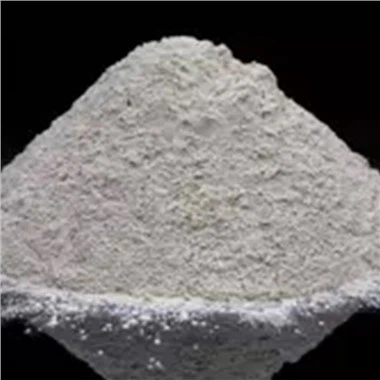
Hey there! I'm a supplier of Polyanionic Cellulose PAC LV, and I often get asked if this product can be used in deep-sea drilling. Well, let's dive right into the topic and see what we can find out.
First off, let's talk a bit about what Polyanionic Cellulose PAC LV is. Polyanionic Cellulose PAC LV is a type of water-soluble polymer that's derived from cellulose. It's commonly used in the oil and gas industry, especially in drilling fluids. It has some pretty cool properties that make it a popular choice for this kind of work.
One of the main functions of PAC LV in drilling fluids is to control the viscosity. In drilling, especially deep-sea drilling, the drilling fluid needs to have the right viscosity. If it's too thin, it won't be able to carry the drill cuttings back to the surface properly. And if it's too thick, it can cause a lot of extra pressure on the drill bit and equipment, which can lead to all sorts of problems. PAC LV helps to keep that viscosity just right, making the whole drilling process more efficient.
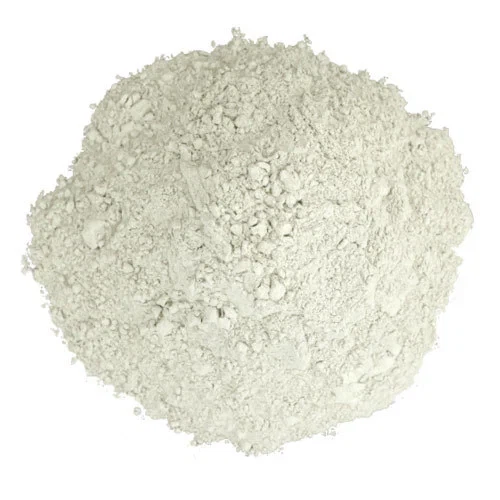

Another important thing in deep-sea drilling is fluid loss control. Drilling fluid can leak into the surrounding rock formations, and that's not good. It can waste the fluid, and it can also cause instability in the borehole. PAC LV forms a thin, tough filter cake on the walls of the borehole, which helps to prevent that fluid loss. This is crucial in deep-sea drilling because the pressures and temperatures down there are much more extreme than in normal onshore drilling.
Now, when we're talking about deep-sea drilling, there are some unique challenges. The deep sea has high pressures, low temperatures, and a lot of saltwater in the environment. PAC LV has shown to be quite resistant to these conditions. It can maintain its performance even under high pressures, which is a big plus. And it's also compatible with saltwater-based drilling fluids, which are commonly used in deep-sea operations.
Saltwater can be a real pain in the neck for a lot of drilling additives because it can break down their effectiveness. But PAC LV can handle saltwater well. It doesn't lose its viscosity or its ability to control fluid loss when it's mixed with saltwater. This makes it a great option for deep-sea drilling where the natural seawater is often used to make up the drilling fluid.
But it's not just PAC LV that we offer. We also have Polyanionic Cellulose PAC DHV and Polyanionic Cellulose PAC HV. These products have different viscosity characteristics. PAC DHV is designed for high-viscosity requirements, which can be useful in certain deep-sea drilling scenarios where a thicker drilling fluid is needed. And PAC HV also offers a good balance between viscosity and other properties, giving you more options depending on the specific needs of your drilling project.
One of the concerns in deep-sea drilling is the environmental impact. We're all more aware of the need to protect our oceans these days, and PAC LV is a relatively environmentally friendly option. It's biodegradable to a certain extent, which means it won't stick around in the ocean for a long time and cause pollution. This is an important factor when choosing additives for deep-sea drilling.
Of course, we're not saying that PAC LV is the be-all and end-all solution for deep-sea drilling. There are other factors to consider, such as the specific geology of the drilling site, the type of drill equipment being used, and the overall drilling plan. Sometimes, you might need to combine PAC LV with other additives to get the best results.
But in general, based on our experience and the scientific research out there, PAC LV is definitely a viable option for deep-sea drilling. It's got the right properties to handle the challenges of the deep sea, and it can help to improve the efficiency and safety of your drilling operations.
If you're in the market for Polyanionic Cellulose PAC LV for your deep-sea drilling projects, or if you want to learn more about our other products like PAC DHV and PAC HV, don't hesitate to reach out. We're here to help you find the best solution for your specific needs. Whether you're a small exploration company or a big oil and gas corporation, we've got the expertise and the high-quality products to support your drilling operations.
Contact us today to start a conversation about your requirements. We can provide you with samples, technical data, and pricing information to help you make an informed decision. Let's work together to make your deep-sea drilling projects a success.
References
- Shelton, R. L., & Golightly, H. D. (1989). Polyanionic cellulose. In Surfactants in Tribology (Vol. 2, pp. 133-152). Elsevier.
- Drilling Fluids Technology: Functions and Properties, 2nd Edition. Gulf Publishing Company.