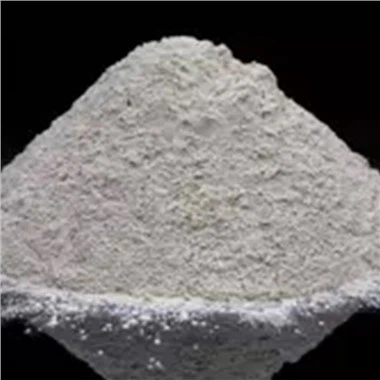
Polyanionic cellulose (PAC) is a water-soluble polymer derived from cellulose through chemical modification. PAC HV, a high-viscosity variant, is widely recognized in the industrial sector, particularly in oil drilling and cementing operations, for its ability to control fluid rheology and filter loss. However, the question of whether PAC HV can be employed in pharmaceutical formulations is an area of growing interest. As a supplier of Polyanionic Cellulose PAC HV, exploring the potential applications and limitations in the pharmaceutical field is not only relevant but also crucial for identifying new market opportunities.
1. Properties of Polyanionic Cellulose PAC HV
Before delving into its pharmaceutical applications, it is essential to understand the properties of PAC HV. PAC is produced by reacting cellulose with chloroacetic acid in the presence of sodium hydroxide, resulting in carboxymethylation of the cellulose backbone. The high-viscosity grade, PAC HV, has a relatively high degree of substitution and molecular weight, which contributes to its thickening and gelling abilities in aqueous solutions.
One of the key properties of PAC HV is its excellent water solubility. It forms clear, stable solutions over a wide range of pH values, typically from 3 to 11. This stability makes it suitable for use in various liquid and semi - solid formulations. Additionally, PAC HV exhibits good shear - thinning behavior, meaning that its viscosity decreases under shear stress. This property is beneficial in processes such as mixing, pumping, and spraying, as it allows for easy handling of the formulation while maintaining the desired consistency at rest.
Another important characteristic is its ability to act as a protective colloid. It can prevent the aggregation and sedimentation of particles in suspension, thereby improving the physical stability of emulsions and suspensions. PAC HV also has a low toxicity profile, which is a fundamental requirement for any material considered for pharmaceutical use.
2. Potential Applications in Pharmaceutical Formulations
2.1. Thickening and Gelling Agent
In pharmaceutical formulations, thickening and gelling agents are used to control the viscosity and consistency of liquids and semi - solids. PAC HV can be employed in oral suspensions to prevent the settling of drug particles, ensuring uniform dosing. For example, in pediatric formulations where accurate dosing is critical, the addition of PAC HV can maintain a stable suspension of the active pharmaceutical ingredient (API).

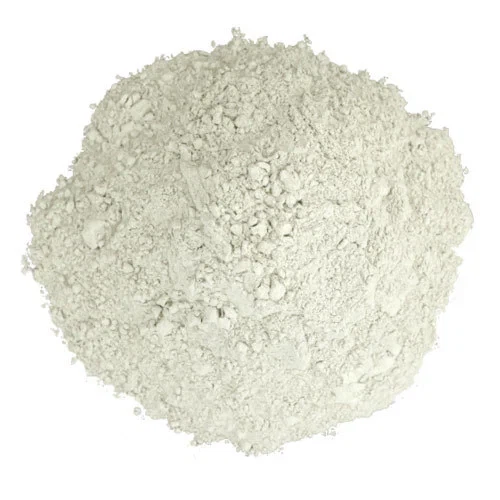
In topical preparations such as creams, lotions, and gels, PAC HV can enhance the product's spreadability and adhesion to the skin. It forms a smooth and non - greasy film, which can improve patient compliance. Moreover, the gelling properties of PAC HV can be utilized in controlled - release formulations. By entrapping the API within the gel matrix, the release rate of the drug can be regulated, providing a sustained therapeutic effect.
2.2. Binder in Tablets
Tablet binders are substances that hold the tablet ingredients together. PAC HV can serve as a binder in tablet manufacturing. It has good binding properties, which can ensure the integrity of the tablet during compression and handling. Additionally, PAC HV can improve the disintegration and dissolution of tablets. Its hydrophilic nature allows water to penetrate the tablet matrix, leading to faster disintegration and release of the API.
2.3. Stabilizer in Emulsions
Emulsions are widely used in pharmaceutical products, such as parenteral emulsions for intravenous administration and topical creams. PAC HV can act as a stabilizer in emulsions by reducing the interfacial tension between the oil and water phases and preventing coalescence. This results in a more stable emulsion with a longer shelf - life.
3. Regulatory Considerations
The use of any material in pharmaceutical formulations is strictly regulated by authorities such as the U.S. Food and Drug Administration (FDA) and the European Medicines Agency (EMA). For PAC HV to be used in pharmaceuticals, it must meet the required quality and safety standards. This includes compliance with guidelines regarding purity, heavy metal content, microbial contamination, and stability.
Suppliers need to provide comprehensive documentation on the manufacturing process, quality control measures, and analytical methods. Batch - to - batch consistency is also crucial to ensure the reproducibility of the pharmaceutical formulations. Additionally, the potential for allergic reactions or other adverse effects associated with PAC HV must be thoroughly investigated through pre - clinical and clinical studies.
4. Comparison with Other Pharmaceutical Excipients
When considering the use of PAC HV in pharmaceutical formulations, it is important to compare it with other commonly used excipients. For example, compared with other thickening agents such as xanthan gum and carboxymethyl cellulose (CMC) of different grades, PAC HV may offer advantages in terms of its stability under a wider pH range. It also has better shear - thinning properties, which can be beneficial in certain manufacturing processes.
In the case of tablet binders, substances like polyvinylpyrrolidone (PVP) are widely used. While PVP has excellent binding properties, PAC HV may be a suitable alternative, especially for formulations where a more natural - based excipient is desired. Moreover, PAC HV's ability to improve disintegration and dissolution can be an added advantage over some traditional binders.
5. Limitations and Challenges
Despite its potential, there are some limitations and challenges associated with the use of PAC HV in pharmaceutical formulations. One of the main challenges is the limited availability of comprehensive clinical data on its long - term safety and efficacy in humans. Regulatory authorities typically require extensive pre - clinical and clinical studies before approving a new excipient for pharmaceutical use.
Another limitation is the potential for interactions between PAC HV and the API. The high - viscosity nature of PAC HV may affect the solubility, stability, and bioavailability of the drug. Therefore, in - depth compatibility studies are necessary to ensure that the combination of PAC HV and the API does not compromise the quality and performance of the pharmaceutical product.
6. Market Opportunities and Future Perspectives
The pharmaceutical industry is constantly looking for new excipients that can offer improved performance and safety. As a supplier of Polyanionic Cellulose PAC HV, there is a potential market opportunity if PAC HV can be successfully introduced into pharmaceutical formulations. With the growing demand for natural - based and bio - compatible excipients, PAC HV's cellulose - based origin can be a significant selling point.
In the future, more research is needed to explore the full potential of PAC HV in pharmaceuticals. This includes further investigation of its safety profile, optimization of its use in different formulations, and the development of new manufacturing processes to ensure consistent quality. Additionally, collaborating with pharmaceutical companies and research institutions can help in accelerating the adoption of PAC HV in the pharmaceutical market.
If you are interested in exploring the potential of Polyanionic Cellulose PAC HV in your pharmaceutical formulations, we encourage you to contact us to discuss potential applications and partners. Our company also offers other products, such as Polyanionic Cellulose PAC DLV, Polyanionic Cellulose PAC DHV, and Polyanionic Cellulose PAC LV, which may also meet your specific requirements. We look forward to the opportunity to work with you to develop innovative and high - quality pharmaceutical products.
References
- Rowe, R. C., Sheskey, P. J., & Quinn, M. E. (Eds.). (2018). Handbook of Pharmaceutical Excipients. Pharmaceutical Press.
- Aulton, M. E., & Taylor, K. M. G. (2013). Aulton's Pharmaceutics: The Design and Manufacture of Medicines. Churchill Livingstone.
- Pharmaceutical excipient monographs. (n.d.). U.S. Pharmacopeial Convention.