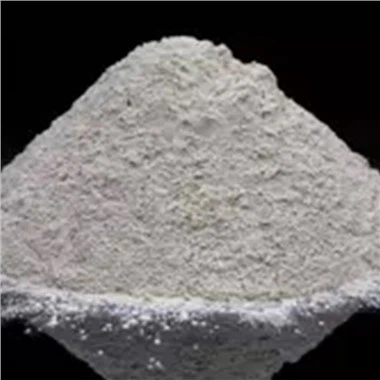
Hey there, fellow foodies and food producers! I'm Pumpkins, a supplier of Food Grade Powder CMC. I've often seen people scratching their heads over how to pick the right grade of Food Grade Powder CMC for their food products. Well, you're in the right place because today, I'm gonna break it all down for you.
What is Food Grade Powder CMC Anyway?
First things first, let's get a clear idea of what Food Grade Powder CMC is. Food Grade Powder CMC, or Carboxymethyl Cellulose, is a derivative of cellulose. Cellulose is a natural polymer found in the cell walls of plants. When we modify it through a chemical process, we get CMC. And when it meets the strict safety standards for food use, it becomes food grade. You can learn more about it at Food Grade Powder CMC.
It's a super versatile ingredient in the food industry. You can usually find it in various types of food products, such as ice cream, bakery items, and even sauces. It acts as a thickener, stabilizer, emulsifier, and binder. So, it plays a crucial role in giving your food the right texture, consistency, and shelf - life.
One of its most common forms is Sodium Carboxymethyl. You can find detailed info about it at Sodium Carboxymethyl. Sodium Carboxymethyl is highly soluble in water, which makes it easy to use in many food applications.
Factors to Consider When Choosing the Right Grade
Viscosity
Viscosity is probably the most important factor when it comes to choosing the right grade of Food Grade Powder CMC. Different food products require different levels of thickness or flowability. For example, if you're making a thick sauce, you'll need a higher - viscosity grade of CMC. This will help the sauce hold its shape and not run all over the place.
On the other hand, if you're making a beverage that needs to flow easily, like a fruit juice or a smoothy, a lower - viscosity grade is the way to go. High - viscosity CMC can make your beverage too thick and hard to drink. You need to test and see what viscosity works best for your specific product.
Degree of Substitution (DS)
The Degree of Substitution (DS) refers to the average number of carboxymethyl groups substituted per anhydroglucose unit in the cellulose chain. A higher DS generally means better solubility and stability in the food product. For acidic food products, a higher DS CMC is often preferred because it can maintain its properties in an acidic environment.
For example, if you're making a citrus - flavored yogurt, which is acidic, a high - DS Food Grade Powder CMC will help keep the yogurt thick and creamy without breaking down. You can research more about the relationship between CMC and food products on CMC Cellulose.


Purity
Purity is another crucial factor. Food grade means it meets food safety standards, but the level of purity can still vary. Impurities in CMC can affect the taste, odor, and color of your food product. You want a CMC with high purity to ensure that it doesn't introduce any unwanted flavors or colors.
When you're choosing a supplier, make sure they can provide you with a certificate of analysis that shows the purity level of their CMC. This will give you peace of mind and help you make a more informed decision.
Compatibility with Other Ingredients
Your food product likely contains more than just CMC. You need to consider how CMC will interact with other ingredients in your recipe. Some ingredients, like certain salts or acids, can affect the performance of CMC. For example, if your recipe has a high salt content, it might reduce the thickening ability of some CMC grades.
Before you make a large - scale production, do some small - scale tests with all the ingredients in your recipe. This will help you see if there are any compatibility issues and allow you to adjust the grade of CMC accordingly.
Different Application Scenarios
Dairy Products
In dairy products like milkshakes, yogurt, and cheese, CMC helps improve texture and stability. For milkshakes, a medium - viscosity CMC is usually a good choice. It gives the milkshake a smooth, thick consistency without making it too heavy.
In yogurt, especially fruit - flavored yogurt, a high - DS CMC can prevent the separation of the yogurt and the fruit syrup. It keeps everything well - mixed and gives a uniform texture. And for cheese, CMC can help prevent the cheese from drying out and maintain its shape during storage.
Bakery Goods
When it comes to bakery goods like bread and cakes, CMC can play a few important roles. It can improve the moisture retention of the product, which means your baked goods will stay fresh longer. A low - to medium - viscosity CMC is often used in bread. It helps the dough have better elasticity and makes the bread softer and more porous.
In cakes, a medium - viscosity CMC can help with the crumb structure. It makes the cake more moist and tender, and it also helps the cake hold its shape better.
Beverages
For carbonated beverages, a very low - viscosity CMC is used. It helps to prevent the formation of foam and sedimentation. In non - carbonated juices and nectars, a low - viscosity CMC can be added to give a little body and prevent the separation of pulp.
Working with a Reliable Supplier
As a Food Grade Powder CMC supplier, I know how important it is to work with a reliable partner. When you're looking for a supplier, consider their reputation in the industry. Read reviews from other customers and see what they have to say about the quality of the product and the service.
A good supplier should be able to provide you with samples so you can test the CMC in your food products before making a large - scale purchase. They should also offer technical support. If you have any questions about which grade is best for your product, or how to use CMC properly, they should be there to help you out.
Once you've found a supplier you trust, it's also important to have open communication. Let them know about any changes in your product formulation or any new requirements you might have. This way, they can help you choose the right grade of CMC every time.
Conclusion
Choosing the right grade of Food Grade Powder CMC for your food product is not as difficult as it might seem. By considering factors like viscosity, degree of substitution, purity, and compatibility with other ingredients, you can make an informed decision. And remember, different food products have different requirements, so take the time to do some tests.
If you're still not sure which grade of Food Grade Powder CMC is best for your product, don't hesitate to reach out. We're here to help you find the perfect solution for your food production needs. Whether you're a small - batch artisanal food maker or a large - scale food manufacturer, we've got the expertise and the quality products to support you.
If you're interested in learning more or in starting a purchase negotiation, feel free to contact us. We're looking forward to working with you to create amazing food products!
References
- "Food Additives: Properties, Applications, and Health Effects." Edited by Satanella Pompei.
- "Industrial Gums: Polysaccharides and Their Derivatives." By Roy L. Whistler and James N. BeMiller.
- Journal articles on food science and technology related to the use of CMC in food products.