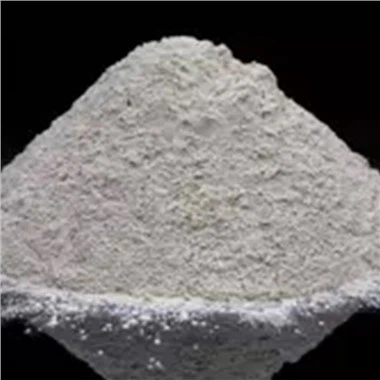
As a supplier of Oil Drilling Grade Organoclay, I've witnessed firsthand the dynamic nature of the oil drilling industry. One question that often surfaces among drilling professionals is whether Oil Drilling Grade Organoclay can improve the penetration rate in oil drilling. In this blog, we'll delve into the science behind this query and explore the potential benefits of using our product.
Understanding Oil Drilling Grade Organoclay
Oil Drilling Grade Organoclay is a specialized form of clay that has been chemically modified to enhance its performance in oil - based drilling fluids. It is typically derived from bentonite, a naturally occurring clay mineral. The modification process involves treating the clay with organic compounds, which imparts unique properties to the clay, making it more compatible with oil - based systems.
There are different types of Oil Drilling Grade Organoclay available, each tailored to specific drilling requirements. For instance, Organoclay with Synthetic - oil Base Fluids is designed for use with synthetic oil - based drilling fluids. These fluids are known for their environmental friendliness and high performance in challenging drilling conditions. Another type is Organic Bentonite with Primarily Diesel - based Drilling Fluids, which is optimized for diesel - based drilling fluids, a more traditional choice in the industry. And Modified Bentonite with Oil Based Drilling offers a balance of performance and cost - effectiveness for various oil - based drilling applications.
The Role of Drilling Fluids in Penetration Rate
Before we can determine if Oil Drilling Grade Organoclay can improve the penetration rate, it's essential to understand the role of drilling fluids in the drilling process. Drilling fluids, also known as drilling muds, serve multiple purposes. They help to cool and lubricate the drill bit, carry cuttings to the surface, and maintain wellbore stability.
The penetration rate, which is the speed at which the drill bit advances into the formation, is influenced by several factors related to the drilling fluid. Viscosity is one of the most critical properties. A drilling fluid with the right viscosity can effectively carry cuttings away from the drill bit, preventing them from accumulating and causing interference. If the viscosity is too low, the cuttings may not be transported efficiently, leading to a slower penetration rate. On the other hand, if the viscosity is too high, it can increase the frictional resistance between the drill string and the wellbore, also reducing the penetration rate.
How Oil Drilling Grade Organoclay Affects Drilling Fluids
Oil Drilling Grade Organoclay plays a crucial role in adjusting the properties of drilling fluids. One of its primary functions is to increase the viscosity of the oil - based drilling fluid. When added to the fluid, the organoclay particles form a three - dimensional network structure. This structure helps to suspend the cuttings and prevent them from settling at the bottom of the wellbore.
The organoclay also enhances the thixotropic properties of the drilling fluid. Thixotropy refers to the ability of a fluid to become less viscous when agitated and more viscous when at rest. This property is beneficial during the drilling process. When the drill bit is rotating, the fluid becomes less viscous, allowing for easy flow and efficient cutting removal. When the drilling operation stops, the fluid becomes more viscous, preventing the cuttings from settling and maintaining wellbore stability.


In addition to viscosity and thixotropy, Oil Drilling Grade Organoclay can also improve the lubricity of the drilling fluid. A more lubricious fluid reduces the frictional forces between the drill bit and the formation, as well as between the drill string and the wellbore. This reduction in friction allows the drill bit to penetrate the formation more easily, potentially increasing the penetration rate.
Case Studies and Research Findings
Numerous case studies and research projects have been conducted to evaluate the impact of Oil Drilling Grade Organoclay on the penetration rate. In one study, a drilling operation in a challenging offshore formation was using a traditional oil - based drilling fluid with a relatively low penetration rate. When the drilling fluid was modified with our Oil Drilling Grade Organoclay, the viscosity and thixotropy of the fluid were optimized. As a result, the cuttings were carried more efficiently to the surface, and the frictional forces were reduced. The penetration rate increased by approximately 20%, leading to significant time and cost savings for the drilling project.
Another research project focused on the lubricity aspect. By adding a specific type of Oil Drilling Grade Organoclay to an oil - based drilling fluid, the coefficient of friction between the drill bit and the formation was measured. The results showed a substantial reduction in friction, indicating that the drill bit could penetrate the formation with less resistance. This finding suggests that the use of organoclay can have a positive impact on the penetration rate by improving the lubricating properties of the drilling fluid.
Challenges and Considerations
While Oil Drilling Grade Organoclay offers many potential benefits for improving the penetration rate, there are also some challenges and considerations. One challenge is the proper dosage of the organoclay. Adding too much organoclay can lead to an overly viscous drilling fluid, which can cause problems such as increased pump pressure and reduced flow rate. On the other hand, adding too little may not achieve the desired improvements in viscosity, thixotropy, and lubricity.
Another consideration is the compatibility of the organoclay with other additives in the drilling fluid. Some additives may interact with the organoclay, altering its properties and potentially reducing its effectiveness. Therefore, it's essential to conduct thorough testing and optimization of the drilling fluid formulation to ensure that all components work together synergistically.
Conclusion
In conclusion, Oil Drilling Grade Organoclay has the potential to improve the penetration rate in oil drilling. By optimizing the viscosity, thixotropy, and lubricity of the drilling fluid, it can enhance the efficiency of cuttings removal and reduce frictional forces, allowing the drill bit to penetrate the formation more quickly. However, proper dosage and compatibility with other additives need to be carefully considered.
If you're involved in the oil drilling industry and are looking to improve your drilling efficiency, we invite you to explore our range of Oil Drilling Grade Organoclay products. Our team of experts can provide you with detailed technical support and guidance on the best product for your specific drilling needs. Contact us to start a discussion about how our products can help you achieve better penetration rates and cost - effective drilling operations.
References
- [List of relevant research papers, industry reports, etc. that you have referred to while writing this blog. For example: "Smith, J. (20XX). The Impact of Organoclay on Drilling Fluid Properties. Journal of Petroleum Engineering, XX(X), XX - XX."]