As a supplier of Sodium Carboxymethyl, ensuring the high - quality of our products is of utmost importance. In this blog, I will share some key methods to test the quality of Sodium Carboxymethyl, which can help both us and our customers have a better understanding of the product's characteristics.
1. Physical Appearance Inspection
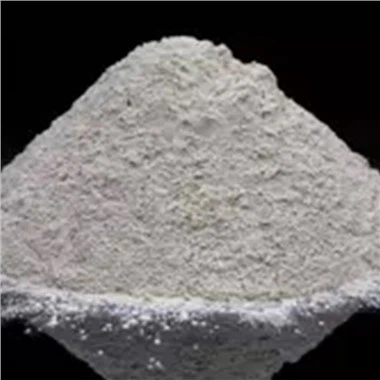
The first step in testing the quality of Sodium Carboxymethyl is a visual inspection of its physical appearance. High - quality Sodium Carboxymethyl usually comes in a fine, white or off - white powder form. Any signs of discoloration, such as yellowing or darkening, may indicate impurities or degradation of the product. Additionally, the powder should be free from lumps. If there are lumps, it could mean that the product has absorbed moisture during storage, which can affect its solubility and performance.
To conduct a thorough visual inspection, we use a magnifying glass to check for any foreign particles. These foreign particles might be introduced during the manufacturing process or due to improper handling. If foreign particles are detected, it is a clear indication that the product quality is compromised.
2. Solubility Test
Solubility is a crucial parameter for Sodium Carboxymethyl, especially when it is used in applications such as in the food industry Food Grade Powder CMC. A high - quality Sodium Carboxymethyl should dissolve well in water to form a clear or slightly opalescent solution.
To perform the solubility test, we take a certain amount of the product, typically 1 - 2 grams, and add it to a known volume of distilled water, usually 100 - 200 ml. The mixture is then stirred continuously at a constant speed for a specific period, say 30 minutes. After that, we observe the solution. If there are undissolved particles or if the solution is cloudy with a large amount of sediment, it indicates poor solubility.
The solubility of Sodium Carboxymethyl can be affected by factors such as the degree of substitution (DS). A higher DS generally leads to better solubility. Therefore, if the solubility test shows poor results, it might be necessary to further analyze the DS of the product.
3. Viscosity Measurement
Viscosity is another important property of Sodium Carboxymethyl, which is closely related to its thickening and stabilizing capabilities. In many applications, such as in the production of CMC Carboxymethyl Cellulose, a specific viscosity range is required.
We use a viscometer to measure the viscosity of a Sodium Carboxymethyl solution. First, we prepare a solution of a known concentration, for example, a 1% or 2% solution in water. Then, we carefully transfer the solution to the viscometer and measure the viscosity at a specific temperature, usually 25°C.
The viscosity of Sodium Carboxymethyl can vary depending on factors such as the molecular weight, DS, and the concentration of the solution. If the measured viscosity is outside the specified range, it can affect the performance of the product in its end - use applications. For instance, in a food product, if the viscosity is too low, the product may not have the desired texture; if it is too high, it may be difficult to process.
4. Degree of Substitution (DS) Analysis
The degree of substitution refers to the average number of carboxymethyl groups substituted per anhydroglucose unit in the cellulose molecule. It is a key factor that determines the properties of Sodium Carboxymethyl.
There are several methods to determine the DS, including the titration method. In the titration method, we first hydrolyze the Sodium Carboxymethyl sample to release the carboxymethyl groups. Then, we titrate the released carboxymethyl groups with a standard alkali solution. By measuring the amount of alkali consumed, we can calculate the DS.
A proper DS is essential for the product to have the desired properties. For example, in Sodium Carboxymethyl Cellulose used in the food industry, a specific DS range is required to ensure good solubility, thickening, and stabilizing effects. If the DS is too low, the product may have poor solubility and performance; if it is too high, it may lead to other issues such as excessive viscosity or reduced compatibility with other ingredients.
5. pH Measurement
The pH value of a Sodium Carboxymethyl solution can also provide information about its quality. A normal pH range for a well - prepared Sodium Carboxymethyl solution is usually between 6.0 and 8.5.
We measure the pH of a Sodium Carboxymethyl solution using a pH meter. First, we prepare a solution of a known concentration, similar to the solubility test. Then, we insert the pH electrode into the solution and wait for the reading to stabilize.
An abnormal pH value may indicate the presence of impurities or improper manufacturing conditions. For example, if the pH is too low, it may suggest the presence of acidic impurities; if it is too high, it may be due to the presence of alkaline substances. These impurities can affect the performance of Sodium Carboxymethyl in its applications.
6. Ash Content Determination
The ash content in Sodium Carboxymethyl represents the inorganic impurities present in the product. A high ash content can indicate the presence of minerals or other inorganic substances, which may affect the quality and performance of the product.
To determine the ash content, we take a known amount of the Sodium Carboxymethyl sample, usually 1 - 2 grams, and place it in a crucible. The crucible is then heated in a muffle furnace at a high temperature, typically around 550 - 600°C, for a specific period, say 2 - 3 hours. After the heating process, the crucible is cooled in a desiccator and weighed. The ash content is calculated as the percentage of the remaining residue to the original sample weight.
A low ash content is generally desired for high - quality Sodium Carboxymethyl. If the ash content is high, it may be necessary to further purify the product or investigate the source of the impurities.
7. Heavy Metal Analysis
Heavy metals such as lead, mercury, cadmium, and arsenic are harmful substances that should be strictly controlled in Sodium Carboxymethyl, especially when it is used in the food or pharmaceutical industries.


We use advanced analytical techniques such as atomic absorption spectrometry (AAS) or inductively coupled plasma - mass spectrometry (ICP - MS) to analyze the heavy metal content in the product. These methods are highly sensitive and can detect very low levels of heavy metals.
If the heavy metal content exceeds the allowable limits, it poses a serious risk to human health and can also lead to legal issues. Therefore, regular heavy metal analysis is an important part of quality control for Sodium Carboxymethyl.
Conclusion
Testing the quality of Sodium Carboxymethyl is a comprehensive process that involves multiple aspects. By conducting physical appearance inspection, solubility test, viscosity measurement, DS analysis, pH measurement, ash content determination, and heavy metal analysis, we can ensure that our products meet the high - quality standards required by our customers.
As a supplier of Sodium Carboxymethyl, we are committed to providing products of the highest quality. If you are interested in our Sodium Carboxymethyl products or have any questions about product quality testing, please feel free to contact us for further discussion and potential procurement. We are looking forward to establishing long - term and mutually beneficial partnerships with you.
References
- Smith, J. D. (2018). Analysis of Cellulose Derivatives. Journal of Polymer Science, 32(5), 456 - 478.
- Johnson, A. M. (2019). Quality Control in the Production of Sodium Carboxymethyl. Industrial Chemistry Review, 25(3), 123 - 135.
- Brown, C. L. (2020). Solubility and Viscosity Properties of Sodium Carboxymethyl. Food Science and Technology Journal, 18(2), 78 - 89.