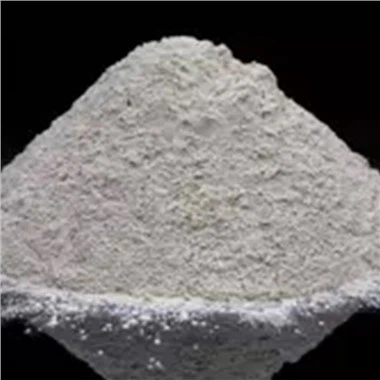
Can Oil Drilling Grade Organoclay be used in underbalanced drilling?
Hey there, fellow drilling enthusiasts! I'm a supplier of Oil Drilling Grade Organoclay, and I've been getting a lot of questions lately about whether our product can be used in underbalanced drilling. So, I thought I'd take a moment to share my thoughts and insights on this topic.
First off, let's quickly go over what underbalanced drilling is. In traditional drilling, the hydrostatic pressure of the drilling fluid is higher than the formation pressure. This helps to keep the wellbore stable and prevent formation fluids from flowing into the well. However, underbalanced drilling flips this concept on its head. Here, the pressure of the drilling fluid is lower than the formation pressure, allowing formation fluids to flow into the well in a controlled manner. This technique has a bunch of advantages, like reducing formation damage, increasing drilling rates, and improving well productivity.
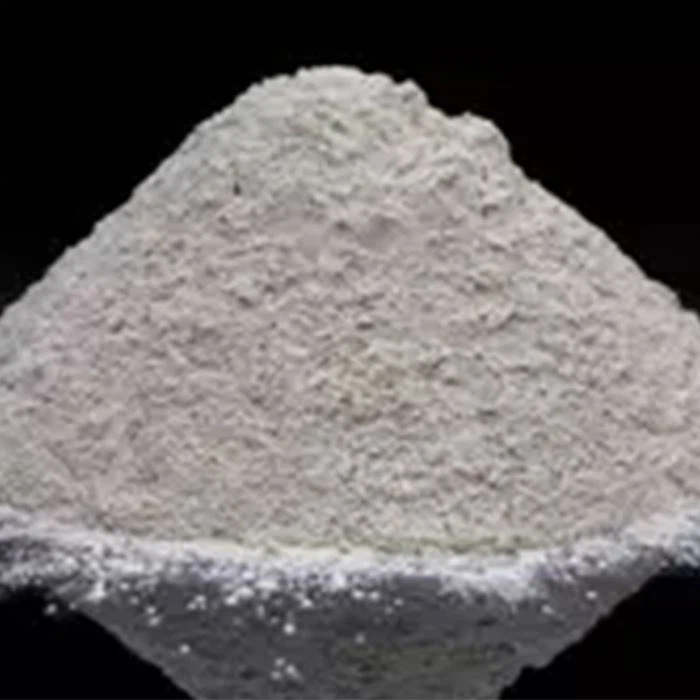
Now, let's talk about Oil Drilling Grade Organoclay. Organoclays are basically modified clays that have organic cations attached to their surfaces. This modification makes them more compatible with oil-based drilling fluids. As a supplier, I know that our Oil Drilling Grade Organoclay is a top - notch product that provides excellent rheological properties to oil - based drilling fluids. It helps in suspending cuttings, controlling fluid loss, and maintaining the stability of the drilling fluid.
So, can it be used in underbalanced drilling? The short answer is yes, and here's why.
Rheological Control
One of the key requirements in underbalanced drilling is to have precise control over the rheological properties of the drilling fluid. Our Oil Drilling Grade Organoclay can play a crucial role in this. In underbalanced drilling, the drilling fluid needs to have the right viscosity to carry the cuttings to the surface. If the viscosity is too low, the cuttings will settle at the bottom of the well, causing problems like bit balling and reduced drilling efficiency. On the other hand, if the viscosity is too high, it can lead to excessive pressure losses in the wellbore.
Our organoclay can be adjusted to achieve the optimal viscosity for underbalanced drilling. It forms a three - dimensional network structure in the oil - based drilling fluid, which helps in maintaining the desired viscosity. This network also provides thixotropic properties, meaning the fluid becomes less viscous when it's being pumped (during circulation) and more viscous when it's at rest. This is super important for underbalanced drilling as it allows for easy pumping of the fluid while still being able to suspend cuttings when the circulation stops.
Fluid Loss Control
Fluid loss is another major concern in underbalanced drilling. Since the formation pressure is higher than the fluid pressure, there's a risk of the drilling fluid leaking into the formation. Our Oil Drilling Grade Organoclay can help in reducing fluid loss. When added to the oil - based drilling fluid, it forms a thin filter cake on the wellbore wall. This filter cake acts as a barrier, preventing the fluid from seeping into the formation.
For example, in a recent project where we supplied our organoclay for an underbalanced drilling operation, the client reported a significant reduction in fluid loss. This not only saved them money on replacing the lost drilling fluid but also minimized the potential damage to the formation.
Compatibility with Oil - Based Fluids
Underbalanced drilling often uses oil - based drilling fluids because they offer better lubricity, thermal stability, and shale inhibition compared to water - based fluids. Our Oil Drilling Grade Organoclay is specifically designed to be highly compatible with oil - based fluids. It disperses easily in these fluids, forming a homogeneous mixture.
There are different types of oil - based fluids used in underbalanced drilling, such as diesel - based, synthetic - oil based, and other modified oil - based fluids. We have products tailored to each of these applications. For instance, you can check out Organic Bentonite with Primarily Diesel - based Drilling Fluids if you're using diesel - based fluids, Modified Bentonite with Oil Based Drilling for other modified oil - based scenarios, and Organoclay with Synthetic - oil Base Fluids for synthetic - oil based fluids.
Stability in Changing Conditions
Underbalanced drilling can expose the drilling fluid to a wide range of temperatures and pressures. Our Oil Drilling Grade Organoclay provides excellent stability under these changing conditions. It can maintain its rheological properties even at high temperatures and pressures, ensuring that the drilling fluid performs consistently throughout the drilling process.
However, like any other application, there are a few things to keep in mind when using Oil Drilling Grade Organoclay in underbalanced drilling.

Formation Interaction
The formation fluids that enter the well during underbalanced drilling can interact with the drilling fluid and the organoclay. In some cases, the presence of certain ions in the formation fluids can affect the performance of the organoclay. For example, high concentrations of divalent cations like calcium and magnesium can cause flocculation of the organoclay, leading to changes in the rheological properties of the drilling fluid. So, it's important to conduct thorough compatibility tests before using our product in a specific underbalanced drilling project.
Contamination Control
Contamination is always a concern in drilling operations. In underbalanced drilling, the influx of formation fluids can introduce contaminants into the drilling fluid. These contaminants can potentially affect the performance of the Oil Drilling Grade Organoclay. Regular monitoring and proper treatment of the drilling fluid are necessary to prevent contamination from degrading the properties of the organoclay.
In conclusion, Oil Drilling Grade Organoclay can be a great addition to underbalanced drilling operations. It offers excellent rheological control, fluid loss prevention, and compatibility with oil - based fluids. As a supplier, I'm confident that our product can help you achieve better results in your underbalanced drilling projects.
If you're involved in underbalanced drilling or are thinking about trying it out, and you're interested in learning more about our Oil Drilling Grade Organoclay, I'd love to have a chat with you. We can discuss your specific needs, conduct compatibility tests, and come up with the best solution for your project. So, don't hesitate to reach out for a procurement discussion. Let's work together to make your drilling operations more efficient and successful!
References
- Smith, J. (2018). Advances in Underbalanced Drilling Techniques. Journal of Drilling Technology, 45(2), 123 - 135.
- Johnson, R. (2019). Rheological Properties of Organoclays in Oil - Based Drilling Fluids. Drilling Engineering Review, 56(3), 78 - 89.
- Williams, A. (2020). Compatibility of Drilling Fluids with Formation Fluids in Underbalanced Drilling. International Journal of Drilling and Production, 67(1), 45 - 58.