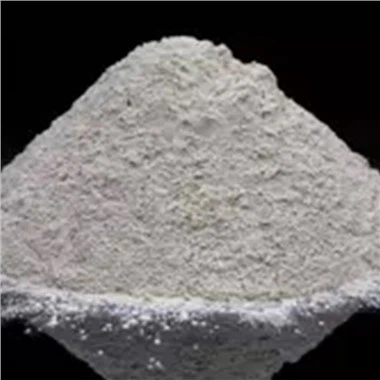
In the realm of materials science and food technology, gels play a pivotal role in various applications, from food products to pharmaceutical formulations. The elasticity of gels is a crucial property that determines their performance and usability. One substance that has gained significant attention for its influence on gel elasticity is CMC Carboxymethyl Cellulose. As a leading supplier of CMC Carboxymethyl Cellulose, we are well - versed in its impact on gel elasticity and are excited to share our insights.
Understanding CMC Carboxymethyl Cellulose
CMC Carboxymethyl Cellulose is a cellulose derivative obtained by chemically modifying natural cellulose. It is a water - soluble polymer with excellent thickening, stabilizing, and emulsifying properties. The carboxymethyl groups introduced during the modification process give CMC its unique characteristics. There are different types of CMC available, such as Carboxymethyl Cellulose E466, Food Grade Granular CMC, and Sodium Carboxymethyl, each tailored to specific applications.
The Structure of Gels and Elasticity
Before delving into how CMC affects gel elasticity, it's important to understand the basic structure of gels. A gel is a semi - solid material composed of a three - dimensional network of polymer chains that trap a large amount of solvent, usually water. The elasticity of a gel is related to its ability to deform under stress and return to its original shape when the stress is removed. This property is governed by the nature of the polymer network, including the cross - linking density, chain length, and the interactions between the polymer chains and the solvent.
Mechanisms of CMC's Influence on Gel Elasticity
1. Chain Entanglement
CMC molecules have long polymer chains. When added to a gel - forming system, these chains can entangle with each other and with the polymer chains of the gel matrix. The entanglement creates a more complex and interconnected network. As the gel is deformed, the entangled chains resist the deformation. Once the stress is removed, the chains can return to their original entangled state, contributing to the gel's elasticity. For example, in a food gel like a jelly, the CMC chains entangle with the gelatin chains, enhancing the overall elasticity of the jelly.
2. Cross - linking Enhancement
Although CMC itself may not form strong covalent cross - links in most cases, it can promote physical cross - linking within the gel network. CMC can interact with other components in the gel, such as proteins or polysaccharides, through hydrogen bonding, electrostatic interactions, or hydrophobic interactions. These interactions can create additional junctions in the network, increasing the cross - linking density. A higher cross - linking density generally leads to a more elastic gel. In a dairy - based gel, CMC can interact with casein proteins, strengthening the protein network and improving the gel's elasticity.


3. Water - holding Capacity
CMC has a high water - holding capacity. It can absorb and retain water molecules within the gel network. The retained water acts as a plasticizer, allowing the polymer chains in the gel to move more freely to a certain extent. This property is important for elasticity because it enables the gel to deform without breaking. When the gel is deformed, the water can redistribute within the network, cushioning the stress on the polymer chains. Once the stress is removed, the water remains in the network, helping the gel to regain its shape. In a hydrogel used in wound dressings, the water - holding capacity of CMC ensures that the gel remains elastic and can conform to the shape of the wound.
Factors Affecting CMC's Impact on Gel Elasticity
1. CMC Concentration
The concentration of CMC in the gel system is a critical factor. At low concentrations, CMC may not have a significant impact on gel elasticity as there are not enough chains to form an effective entangled network or promote sufficient cross - linking. As the concentration increases, the number of entangled chains and the cross - linking density also increase, leading to enhanced elasticity. However, if the concentration is too high, the gel may become too viscous and lose some of its elastic properties due to excessive chain entanglement and reduced chain mobility.
2. Degree of Substitution (DS)
The degree of substitution of CMC refers to the average number of carboxymethyl groups per anhydroglucose unit in the cellulose chain. A higher DS means more carboxymethyl groups, which can lead to stronger electrostatic interactions and higher water - holding capacity. CMC with a higher DS generally has a greater impact on gel elasticity as it can form more complex interactions within the gel network. However, the optimal DS depends on the specific gel system and the application requirements.
3. Molecular Weight
The molecular weight of CMC also affects its influence on gel elasticity. Higher - molecular - weight CMC has longer polymer chains, which can entangle more effectively and form a stronger network. This usually results in a more elastic gel. Lower - molecular - weight CMC may have a different impact. It may be more soluble and disperse more easily in the gel system, but it may not contribute as much to the long - range network structure, leading to relatively lower elasticity.
Applications of CMC - Enhanced Elastic Gels
1. Food Industry
In the food industry, CMC - enhanced elastic gels are widely used. In products like yogurt, CMC can improve the texture and elasticity of the yogurt gel, preventing syneresis (the separation of liquid from the gel). In bakery fillings, CMC - containing gels provide a pleasant, elastic texture that enhances the consumer experience. The use of Food Grade Granular CMC ensures that the gels meet the strict safety and quality standards for food applications.
2. Pharmaceutical Industry
In pharmaceutical applications, CMC - enhanced elastic gels are used in drug delivery systems. For example, in topical gels for drug delivery, the elasticity of the gel ensures good adhesion to the skin and uniform drug release. The gel can conform to the shape of the application area, and the elastic property helps to maintain the integrity of the gel during use. CMC can also be used in oral gels for pediatric or geriatric patients, where the elasticity makes the gel easier to swallow.
3. Cosmetics Industry
In cosmetics, gels are used in products such as hair gels, facial masks, and body lotions. CMC can improve the elasticity of these gels, providing a better sensory experience for the consumers. A hair gel with enhanced elasticity can hold the hair in place while still allowing some flexibility. A facial mask with an elastic gel can conform to the face more closely, ensuring better contact with the skin and more effective delivery of active ingredients.
Quality Control and Consistency
As a CMC Carboxymethyl Cellulose supplier, we understand the importance of quality control and consistency in ensuring the desired impact on gel elasticity. We have strict quality management systems in place to control the properties of our CMC products, including the degree of substitution, molecular weight, and purity. By providing high - quality CMC, we can ensure that our customers can achieve consistent and reliable results in their gel - based products.
Conclusion
CMC Carboxymethyl Cellulose has a significant influence on the elasticity of gels through chain entanglement, cross - linking enhancement, and water - holding capacity. The impact is affected by factors such as CMC concentration, degree of substitution, and molecular weight. The enhanced elasticity provided by CMC makes it a valuable ingredient in various industries, including food, pharmaceuticals, and cosmetics.
If you are interested in using our CMC products to improve the elasticity of your gels, we invite you to contact us for more information and to discuss your specific requirements. Our team of experts is ready to assist you in finding the most suitable CMC solution for your application.
References
- Peppas, N. A., & Bures, P., & Leobandung, W., & Ichikawa, H. (2000). Hydrogels in pharmaceutical formulations. European Journal of Pharmaceutics and Biopharmaceutics, 50(1), 27 - 46.
- Williams, P. A., & Phillips, G. O. (Eds.). (2000). Handbook of hydrocolloids. CRC Press.
- Piculell, L., & Lindman, B. (1992). Associating polymers in aqueous solution. Advances in Colloid and Interface Science, 41, 149 - 193.