Can Fine Powder Organoclay be used in the textile industry?
As a supplier of Fine Powder Organoclay, I've often been asked about the potential applications of this remarkable product. One area that has piqued a lot of interest is the textile industry. In this blog, I'll explore whether Fine Powder Organoclay can find a place in the textile manufacturing process, based on its properties and the requirements of the textile sector.
Understanding Fine Powder Organoclay
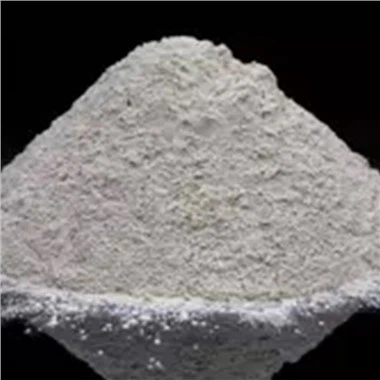
Fine Powder Organoclay is a type of organophilic clay that has been chemically modified to enhance its affinity for organic substances. It is typically derived from natural clays and then treated with organic cations to make it more compatible with non - polar or slightly polar organic media. The fine powder form makes it easy to disperse in various systems. You can find more details about our Fine Powder Organoclay.
The unique structure of organoclays consists of layered silicate platelets. These platelets can exfoliate and disperse in a polymer matrix, creating a nanocomposite structure. This structure can impart a variety of beneficial properties to the material, such as improved mechanical strength, thermal stability, and barrier properties.
Potential Applications in the Textile Industry
Flame Retardancy
One of the significant challenges in the textile industry is to produce fabrics with good flame - retardant properties. Fine Powder Organoclay can potentially play a role in this area. When incorporated into textile fibers or coatings, the layered structure of the organoclay can act as a physical barrier. During a fire, the clay layers can form a char on the surface of the fabric, which slows down the spread of flames and reduces the release of flammable gases.
Research has shown that polymer - clay nanocomposites have improved flame - retardant performance compared to pure polymers. For example, when organoclay is added to polyester fibers, it can increase the limiting oxygen index (LOI), which is a measure of a material's flammability. A higher LOI means the material is less likely to burn.
Antimicrobial Properties
In the textile industry, there is a growing demand for fabrics with antimicrobial properties, especially for applications such as medical textiles, sportswear, and bedding. Fine Powder Organoclay can be used as a carrier for antimicrobial agents. The large surface area of the clay platelets provides a platform for the adsorption and controlled release of antimicrobial substances.
Some studies have demonstrated that organoclays loaded with silver nanoparticles or other antimicrobial agents can effectively inhibit the growth of bacteria and fungi on textile surfaces. This not only helps to keep the fabric fresh and odor - free but also reduces the risk of infections in medical and hygiene applications.


Improved Mechanical Properties
Textiles need to have good mechanical strength and durability to withstand regular use and washing. By incorporating Fine Powder Organoclay into textile fibers or coatings, the mechanical properties of the fabric can be enhanced. The exfoliated clay platelets in the polymer matrix can act as reinforcement, increasing the tensile strength and tear resistance of the fabric.
For example, in the case of synthetic fibers like nylon or polyester, the addition of a small amount of organoclay can significantly improve the fiber's modulus and tenacity. This can lead to longer - lasting textiles that are less prone to damage during handling and use.
Dyeing and Printing
Fine Powder Organoclay can also have an impact on the dyeing and printing processes in the textile industry. The clay can act as a mordant, which helps to improve the affinity of dyes for the textile fibers. It can also enhance the color fastness of the dyed fabrics by preventing the migration of dyes during washing and exposure to light.
In addition, organoclay can be used in textile printing pastes to improve their rheological properties. It can provide better viscosity control, which is essential for achieving sharp and precise prints on fabrics. For more information on related organoclay products, you can visit our Guanual Painting Grade Organoclay page.
Challenges and Considerations
While the potential applications of Fine Powder Organoclay in the textile industry are promising, there are also some challenges that need to be addressed.
Dispersion
One of the main challenges is to ensure proper dispersion of the organoclay in the textile matrix. If the clay particles are not well - dispersed, they can form agglomerates, which can reduce the effectiveness of the organoclay and may even cause defects in the fabric. Special dispersion techniques, such as high - shear mixing or the use of dispersing agents, may be required to achieve a uniform dispersion.
Compatibility
The compatibility between the organoclay and the textile fibers or polymers is also crucial. Different types of fibers and polymers have different chemical properties, and the organoclay needs to be selected and modified accordingly to ensure good compatibility. Otherwise, it may lead to poor adhesion and reduced performance of the final textile product.
Cost
The cost of incorporating Fine Powder Organoclay into textile production is another factor to consider. Compared to traditional textile additives, organoclays may be relatively more expensive. However, the potential benefits in terms of improved performance and added value may justify the additional cost in some high - end applications.
Conclusion
In conclusion, Fine Powder Organoclay has significant potential for use in the textile industry. Its unique properties, such as flame retardancy, antimicrobial activity, improved mechanical properties, and benefits in dyeing and printing, make it an attractive option for textile manufacturers. However, to fully realize its potential, the challenges of dispersion, compatibility, and cost need to be carefully addressed.
If you are a textile manufacturer interested in exploring the use of Fine Powder Organoclay in your products, I encourage you to contact us for further discussion. We can provide you with samples and technical support to help you evaluate the suitability of our product for your specific needs.
References
- Alexandre, M., & Dubois, P. (2000). Polymer - layered silicate nanocomposites: preparation, properties and uses of a new class of materials. Materials Science and Engineering: R: Reports, 28(1 - 2), 1 - 63.
- Ray, S. S., & Okamoto, M. (2003). Polymer/layered silicate nanocomposites: a review from preparation to processing. Progress in Polymer Science, 28(11), 1539 - 1641.
- Thakur, V. K., Thakur, M. K., & Raghavan, P. (2014). Green composites from sustainable cellulose nanofibrils: a review. International Journal of Biological Macromolecules, 66, 1 - 9.