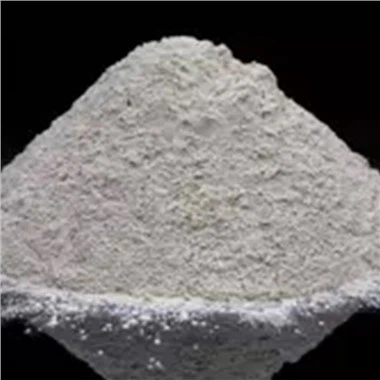
Hey there! As a supplier of Polyanionic Cellulose PAC LV, I often get asked if this nifty stuff can be used in the cosmetic industry. Well, let's dive right in and explore this question together.

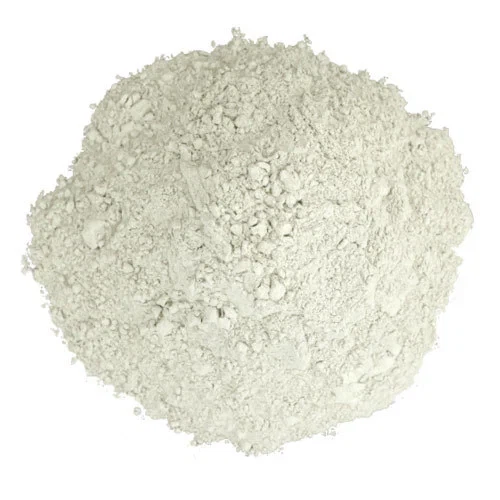
First off, let's talk a bit about what Polyanionic Cellulose PAC LV is. It's a type of cellulose derivative that's commonly used in the oil - drilling industry. But that doesn't mean its potential is limited to just that. Cellulose itself is a natural polymer found in plants, and PAC LV is a modified version that has some unique properties.
Properties of Polyanionic Cellulose PAC LV
One of the key properties of PAC LV is its thickening ability. It can increase the viscosity of a solution. In the oil - drilling world, this helps in controlling the flow of drilling fluids. But in cosmetics, thickening agents are super important too. They can give creams, lotions, and gels the right consistency. For example, if you've ever used a thick, luxurious body cream, chances are there's a thickening agent in it to give it that rich texture. PAC LV could potentially play that role in cosmetic formulations.
Another property is its water - binding capacity. It can hold onto water molecules, which is great for keeping products hydrated. In cosmetics, moisture is king. Whether it's a moisturizer for your face or a hair conditioner, keeping the product and your skin or hair hydrated is essential. PAC LV might be able to help with that by preventing water loss from the product and also from your skin or hair once it's applied.
Advantages in the Cosmetic Industry
Texture Enhancement
As I mentioned earlier, the thickening ability of PAC LV can be a real game - changer for cosmetic products. It can transform a thin, runny lotion into a more substantial, easy - to - apply cream. This not only makes the product more pleasant to use but also gives consumers the perception of a high - quality product. Think about it, would you rather use a runny moisturizer that drips all over your hands or a thick, creamy one that you can easily spread on your skin? I know which one I'd choose!
Moisture Retention
The water - binding capacity of PAC LV is also a big plus. In the cosmetic industry, dryness is the enemy. Dry skin can lead to itching, flaking, and premature aging. By using PAC LV in moisturizers, we can help keep the skin hydrated for longer periods. This is especially important for people with dry or sensitive skin. And for hair products, it can prevent dry, brittle hair and make it look shinier and healthier.
Compatibility
PAC LV is generally compatible with a wide range of other ingredients commonly used in cosmetics. This means it can be easily incorporated into existing formulations without causing any major issues. Whether it's in combination with oils, emulsifiers, or other active ingredients, PAC LV can work well to create a stable and effective cosmetic product.
Potential Challenges
Of course, it's not all sunshine and rainbows. There are some potential challenges when it comes to using PAC LV in the cosmetic industry.
Regulatory Approval
The cosmetic industry is highly regulated. Before any new ingredient can be used in cosmetic products, it needs to go through a rigorous approval process. PAC LV is mainly known for its use in the oil - drilling industry, so getting regulatory approval for cosmetic use might take some time and effort. But hey, if it has all the right properties and is safe for use on the skin and hair, I'm sure it's worth the wait.
Sensitivity Concerns
Even though cellulose is a natural polymer, some people might still be sensitive to PAC LV. Allergic reactions or skin irritations are always a possibility. However, this is true for many ingredients in cosmetics. Extensive testing would need to be done to ensure that PAC LV is safe for a wide range of consumers.
Comparison with Other Cosmetic Ingredients
There are already many thickening and moisturizing agents used in the cosmetic industry. Let's take a look at how PAC LV stacks up against some of them.
Xanthan Gum
Xanthan gum is a popular thickening agent in cosmetics. It's also a natural polymer, but it's produced by fermentation. While it's very effective at thickening, it might not have the same water - binding capacity as PAC LV. PAC LV could potentially offer a more long - lasting moisturizing effect, which could be a big selling point.
Glycerin
Glycerin is a well - known moisturizer in the cosmetic industry. It's great at attracting and retaining water. However, it can sometimes make the skin feel sticky. PAC LV might be able to provide a similar moisturizing effect without the stickiness, making it a more pleasant option for consumers.
Our Offerings
As a supplier, we offer high - quality Polyanionic Cellulose PAC LV. We also have other related products like Polyanionic Cellulose PAC DHV and Polyanionic Cellulose PAC HV. Each of these products has its own unique properties and can be used in different applications. If you're in the cosmetic industry and looking for innovative ingredients to enhance your products, PAC LV could be the answer.
Conclusion
So, can Polyanionic Cellulose PAC LV be used in the cosmetic industry? The answer is a big maybe. It has some great properties like thickening and water - binding that could be very useful in cosmetic formulations. However, there are also some challenges like regulatory approval and sensitivity concerns that need to be addressed. But I'm optimistic. With more research and testing, I believe PAC LV has the potential to become a valuable ingredient in the cosmetic world.
If you're interested in learning more about our Polyanionic Cellulose PAC LV or discussing potential applications in your cosmetic products, don't hesitate to reach out. We're here to help you explore new possibilities and take your cosmetic formulations to the next level.
References
- Cosmetic Ingredient Handbook, various editions
- Journal of Cosmetic Science, multiple issues
- Research papers on cellulose derivatives and their applications in different industries