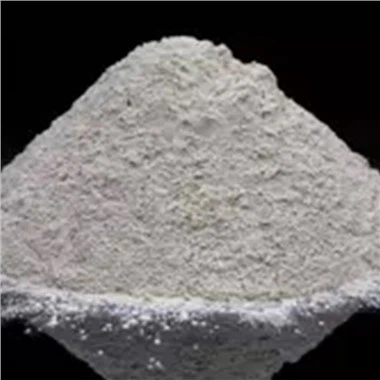
Hey there! As a supplier of Polyanionic Cellulose PAC LV, I've been getting a lot of questions about how this amazing product prevents fluid loss in drilling. So, I thought I'd take a few minutes to break it down for you.
First off, let's talk about why fluid loss is such a big deal in drilling. When you're drilling a well, you're essentially creating a hole in the ground and pumping a special fluid, called drilling mud, down into it. This mud serves several important purposes. It helps to cool and lubricate the drill bit, carry the rock cuttings back to the surface, and maintain pressure in the well to prevent it from caving in.


However, one of the challenges with drilling mud is that it can seep into the surrounding rock formations, causing fluid loss. This can lead to a number of problems, such as reduced drilling efficiency, increased costs, and even wellbore instability. That's where Polyanionic Cellulose PAC LV comes in.
So, how does it work? Well, Polyanionic Cellulose PAC LV is a type of polymer that is specifically designed to control fluid loss in drilling mud. When it's added to the mud, it forms a thin, impermeable layer on the walls of the wellbore. This layer acts as a barrier, preventing the mud from seeping into the surrounding rock formations and reducing fluid loss.
But that's not all. Polyanionic Cellulose PAC LV also has a number of other benefits that make it an ideal choice for drilling applications. For example, it has excellent thermal stability, which means it can withstand high temperatures without breaking down. This is important because drilling operations often take place in hot environments, where the temperature can reach several hundred degrees Fahrenheit.
In addition, Polyanionic Cellulose PAC LV is highly soluble in water, which makes it easy to mix into the drilling mud. It also has a low viscosity, which means it doesn't add too much thickness to the mud, allowing it to flow easily through the wellbore.
Another advantage of Polyanionic Cellulose PAC LV is that it is environmentally friendly. Unlike some other drilling additives, it is non-toxic and biodegradable, which means it won't harm the environment or pose a risk to human health.
Now, let's take a closer look at the science behind how Polyanionic Cellulose PAC LV prevents fluid loss. When the polymer is added to the drilling mud, it dissolves in the water and forms a solution. This solution contains long chains of molecules that are attracted to each other and to the surface of the wellbore.
As the mud circulates through the wellbore, the polymer molecules begin to adsorb onto the walls of the wellbore, forming a thin layer. This layer is made up of a network of polymer chains that are tightly packed together, creating a barrier that prevents the mud from seeping into the surrounding rock formations.
The effectiveness of Polyanionic Cellulose PAC LV in preventing fluid loss depends on a number of factors, such as the concentration of the polymer in the mud, the temperature and pressure of the wellbore, and the type of rock formations being drilled. In general, higher concentrations of the polymer will result in better fluid loss control, but it's important to find the right balance to avoid adding too much thickness to the mud.
In addition to preventing fluid loss, Polyanionic Cellulose PAC LV can also improve the rheological properties of the drilling mud. Rheology refers to the study of how fluids flow and deform under stress, and it's an important factor in drilling operations. By improving the rheological properties of the mud, Polyanionic Cellulose PAC LV can help to reduce friction between the drill bit and the wellbore, which can improve drilling efficiency and reduce wear and tear on the equipment.
There are different grades of polyanionic cellulose available, such as Polyanionic Cellulose PAC HV and Polyanionic Cellulose PAC DLV. While PAC HV is more suitable for applications where higher viscosity is required, PAC LV is great for situations where a lower viscosity is needed to maintain good flow characteristics in the drilling mud. And of course, Polyanionic Cellulose PAC LV is my go - to for effective fluid loss control with a balanced viscosity.
So, if you're in the drilling industry and you're looking for a reliable and effective way to prevent fluid loss in your drilling mud, I highly recommend giving Polyanionic Cellulose PAC LV a try. It's a proven solution that has been used by many drilling companies around the world, and it can help you to improve your drilling efficiency, reduce costs, and ensure the stability of your wellbore.
If you're interested in learning more about Polyanionic Cellulose PAC LV or would like to discuss your specific drilling needs, feel free to reach out. I'm always happy to have a chat and help you find the right solution for your operations. Whether you're a small - scale driller or a large - scale oil and gas company, we can work together to ensure that you get the most out of this fantastic product.
References
- "Drilling Fluids Technology" by H. C. H. Darley and George R. Gray
- "Handbook of Drilling and Production Fluids" by Asbjørn P. Aadnøy and John F. S. Kyllingstad